
Week #7: Light Week
+ 3 things I learned
from building a body of work
In the final installment of my 8 Creative Elements adventure,
I look back on my MFA experience
… and reflect on what it feels like to build a body of work.
Color: White
Element: Light
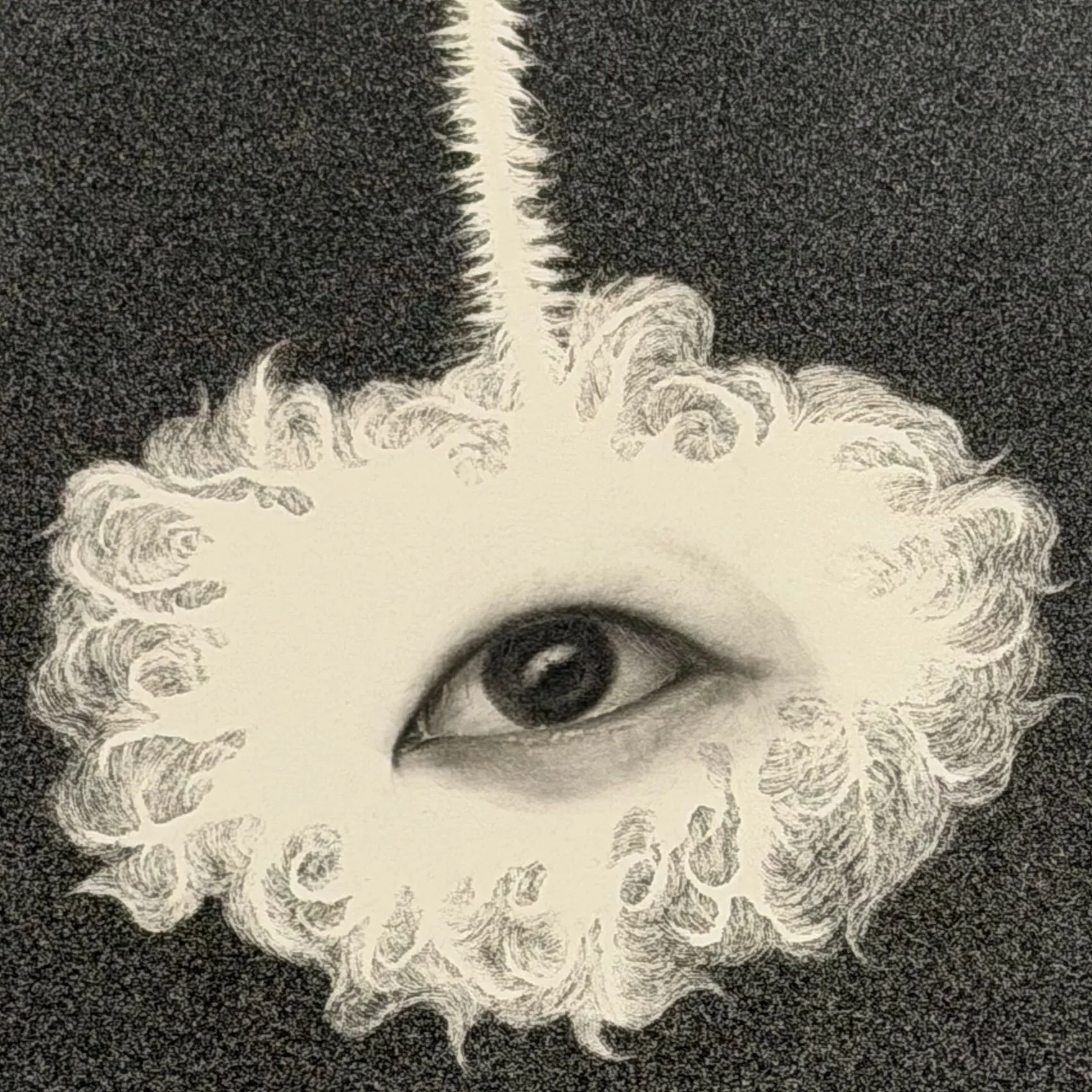
"In nature, light creates
the color.
In the picture, color
creates the light.
- Hans Hoffman
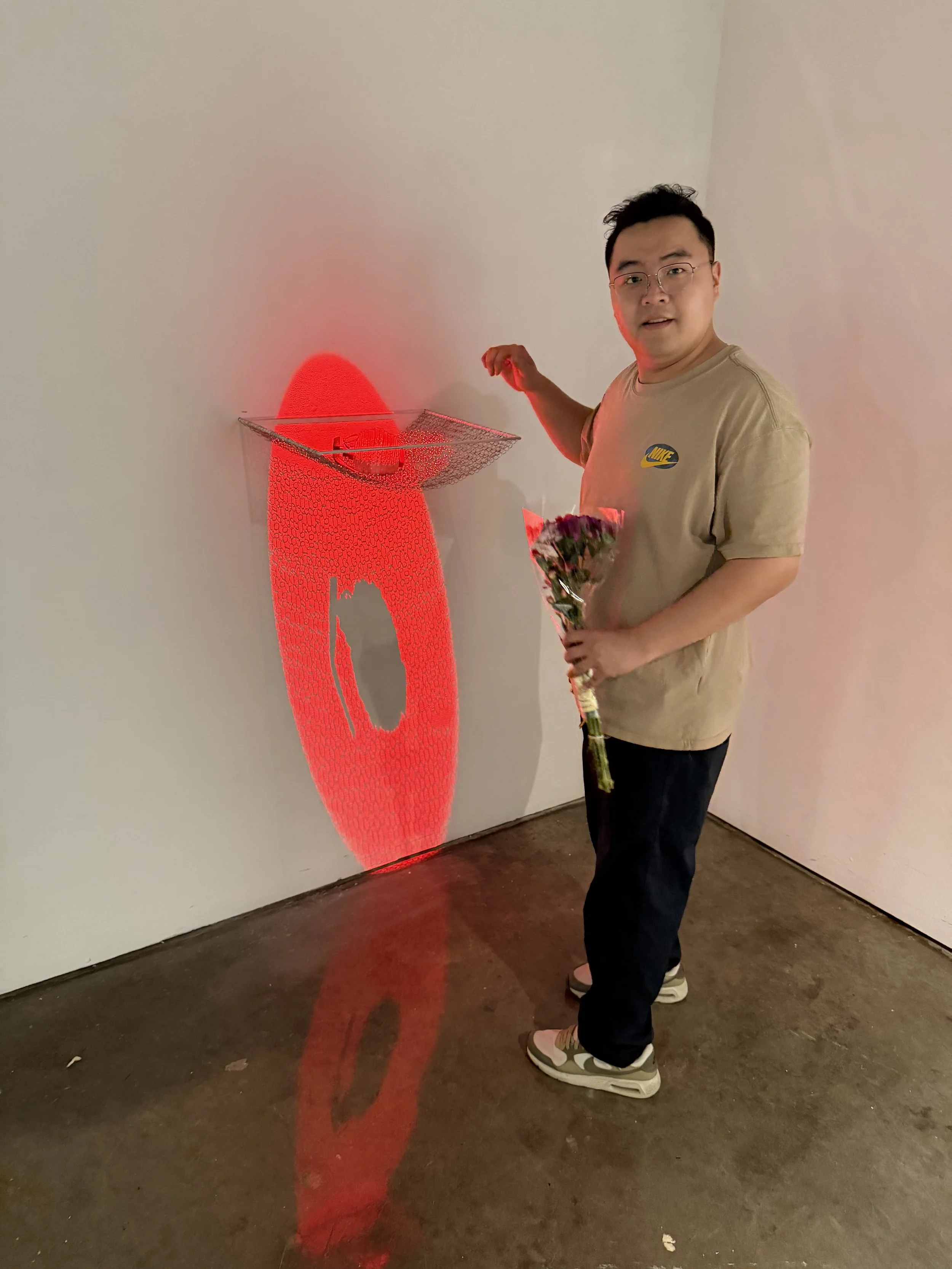
detail from What We Leave Behind, Samantha Yun Wall - at the Seattle Art Museum, May 2026
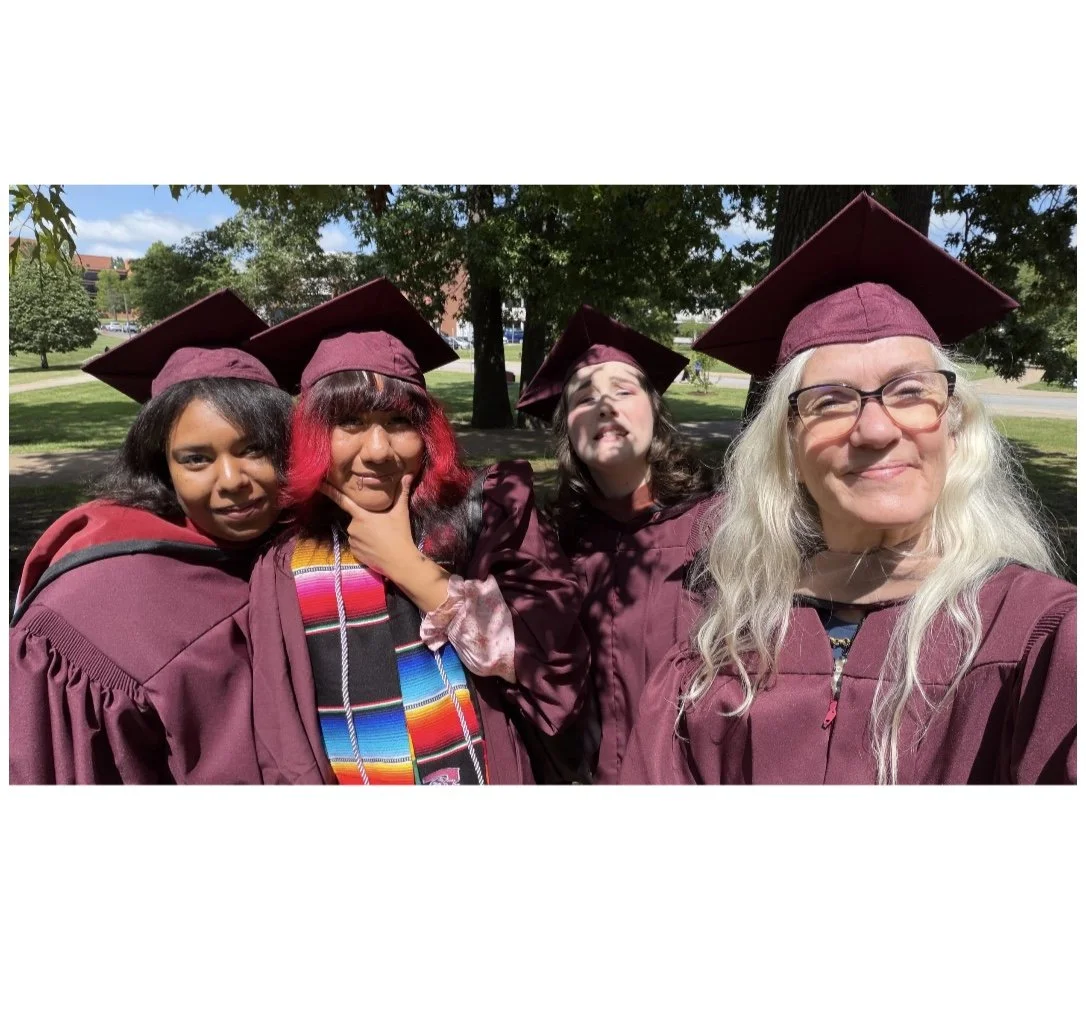
At age 59, I went back to art school.
My past degrees were in English literature and creative writing - I never studied art seriously or made much visual art at all, until I attended Gage Academy for two years, starting at age 52.
Even though I had studied on my own, I felt a strong drive to dedicate a long period of time to just focusing on art. And even though I had vaguely been thinking about an MFA, I made the decision quickly. In February 2023, I saw an article on Hyperallergic.com about the multi-discliplinary graduate art program at Southern Illinois University (SIU). I applied in March, was accepted in May, and in July, I moved to Carbondale, Illinois - a place I’d never been before. I set the wheels in motion and took on challenges as they arose.
My goals for graduate school were simple, but scary:
To push myself towards the edges of my capabilities through complete, open experimentation, including taking the painting off the wall into installation work.
To explore concepts and art history I’d been thinking about - and discover new areas of study. I wanted to explore my family history, and had a working title of “16 Journeys,” with the idea of visiting the birthplaces of my 16 great-great grandparents in Sweden, Denmark, England, Scotland, etc., and writing about it, and making art about it.
To learn totally new skills.
Did I do all these things? Yes and No.
Did I need to uproot myself and move halfway across the country for three years to do it? No and Yes.
But I, like other humans, am prone to habituation. To taking the easy route, to getting stuck in routines.
I wanted to break out in ways I didn’t even know yet.
And boy, did I! It was sometimes painful and frustrating, sometimes joyful and fun. Always fascinating.
Here are three main lessons I feel I learned on a deep level from my experience (among so many others I will share over time):
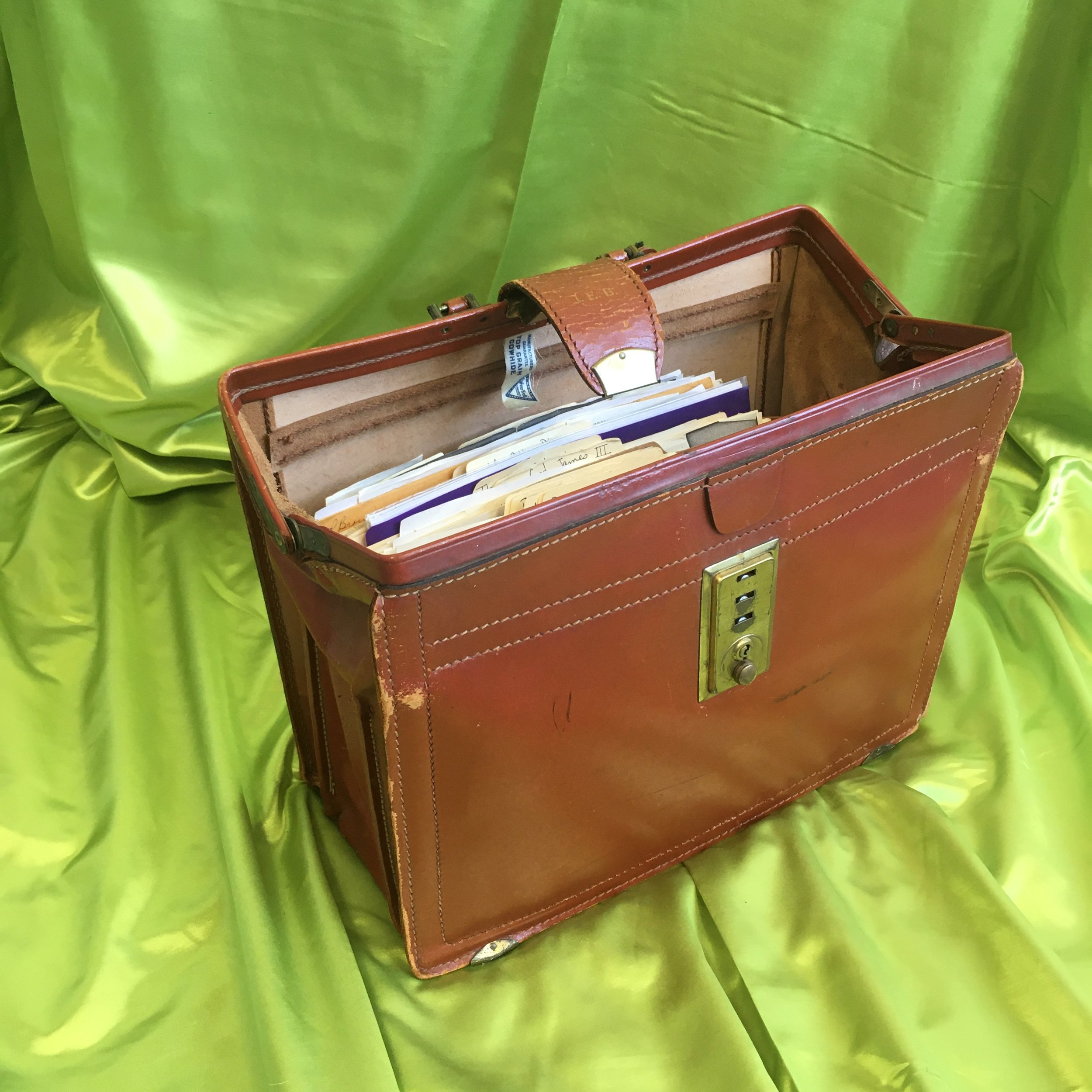
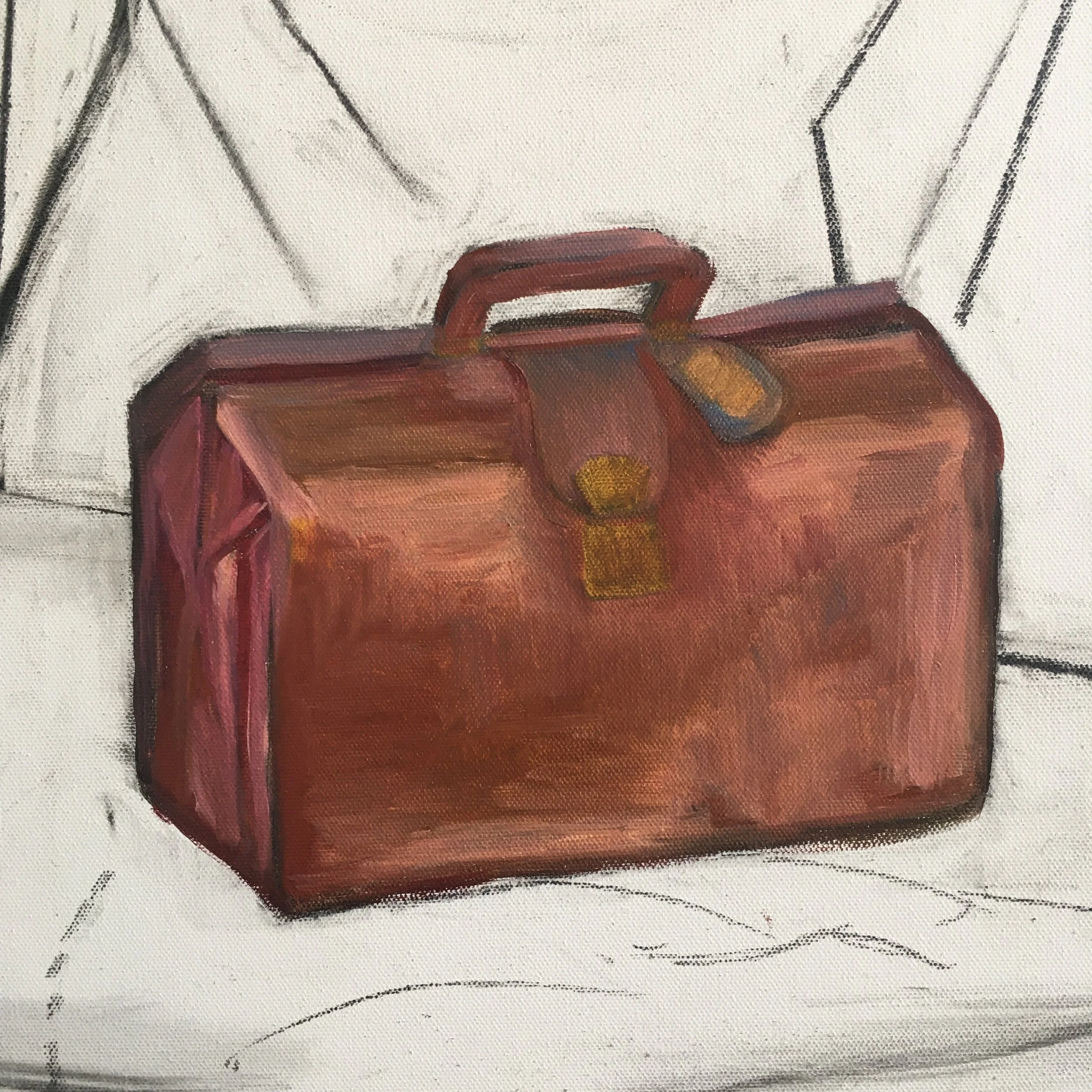
Lesson No. 1:
Listen to all opinions without judgement.
Then, follow your own heart boldly.
Artists all say they feel like weirdos. like no one gets us.
But what I’ve come to realize is that we are all in it together as weirdos - the human race, I mean.
We all are inside our own heads, and artists even more. Learning how to manage my own mind has become the most essential tool for a creative practice that sustains me through good and hard times.
Here is one example of this lesson from year one of my MFA:
Listen to all opinions without judgment
Graduate school forces you to listen to other’s honest criticism, which can sometimes be harsh. I’ve come to appreciate that now, but I’ve never been good at this “listening” thing. This was the toughest lesson for me.
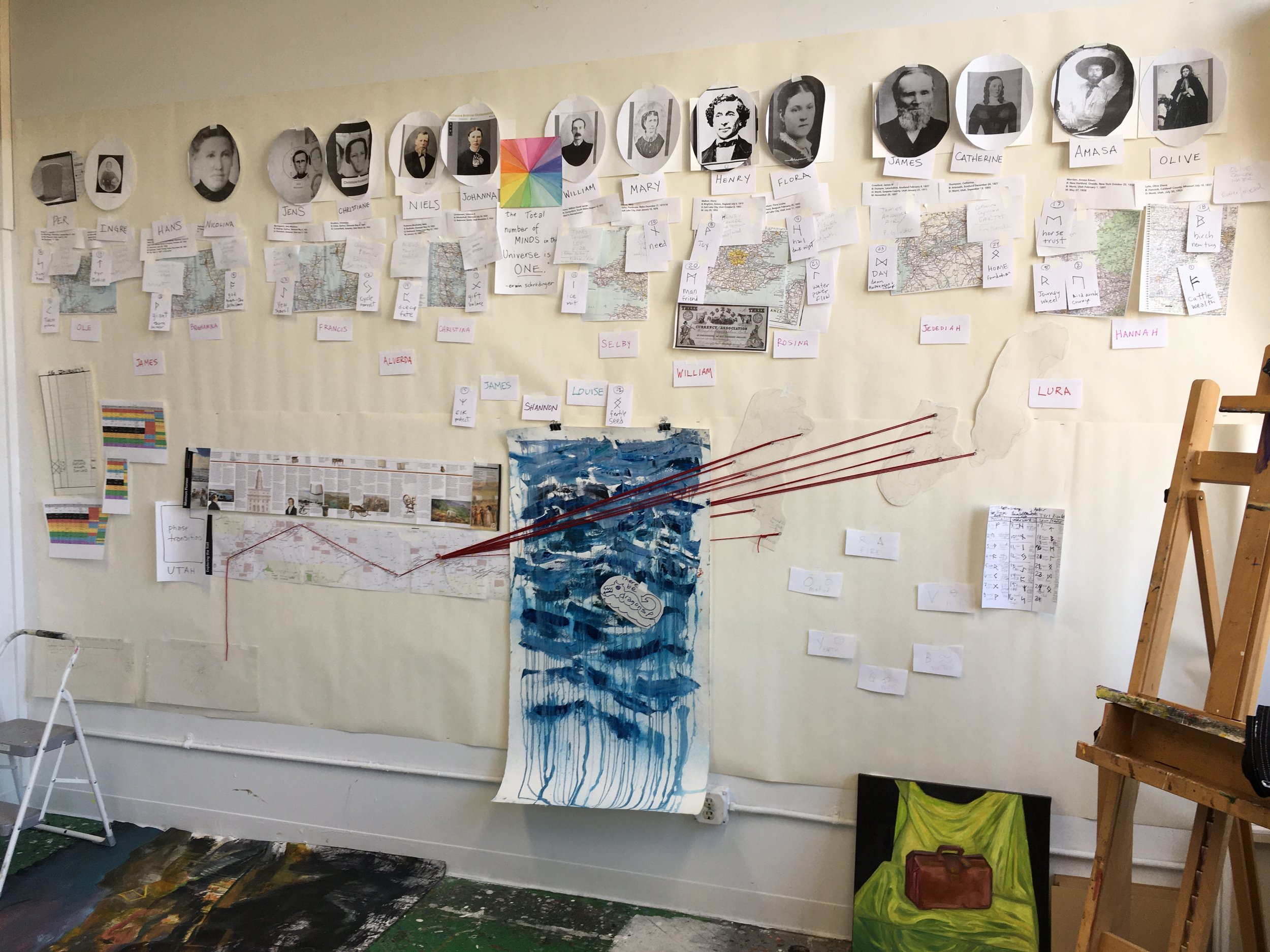
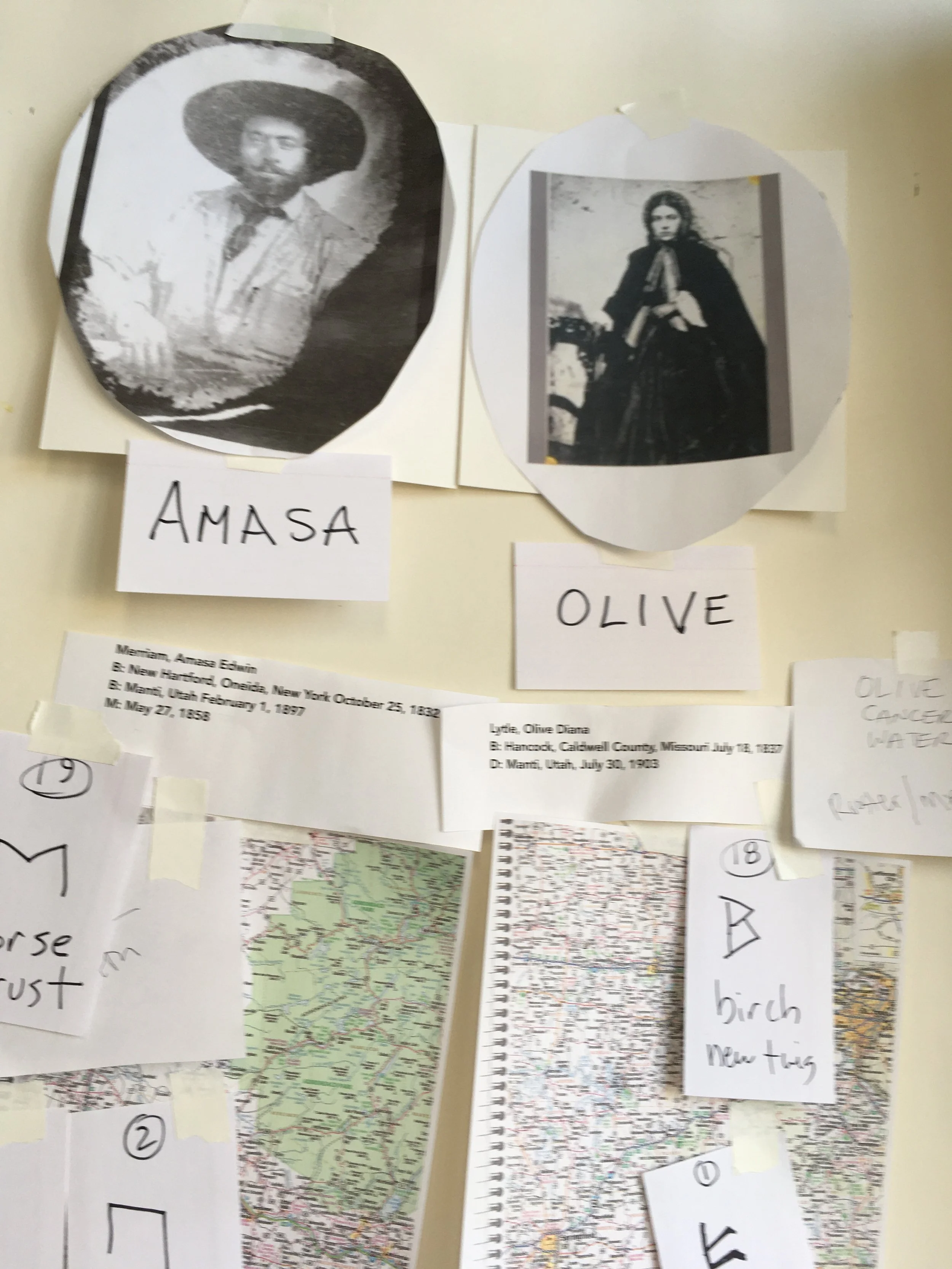
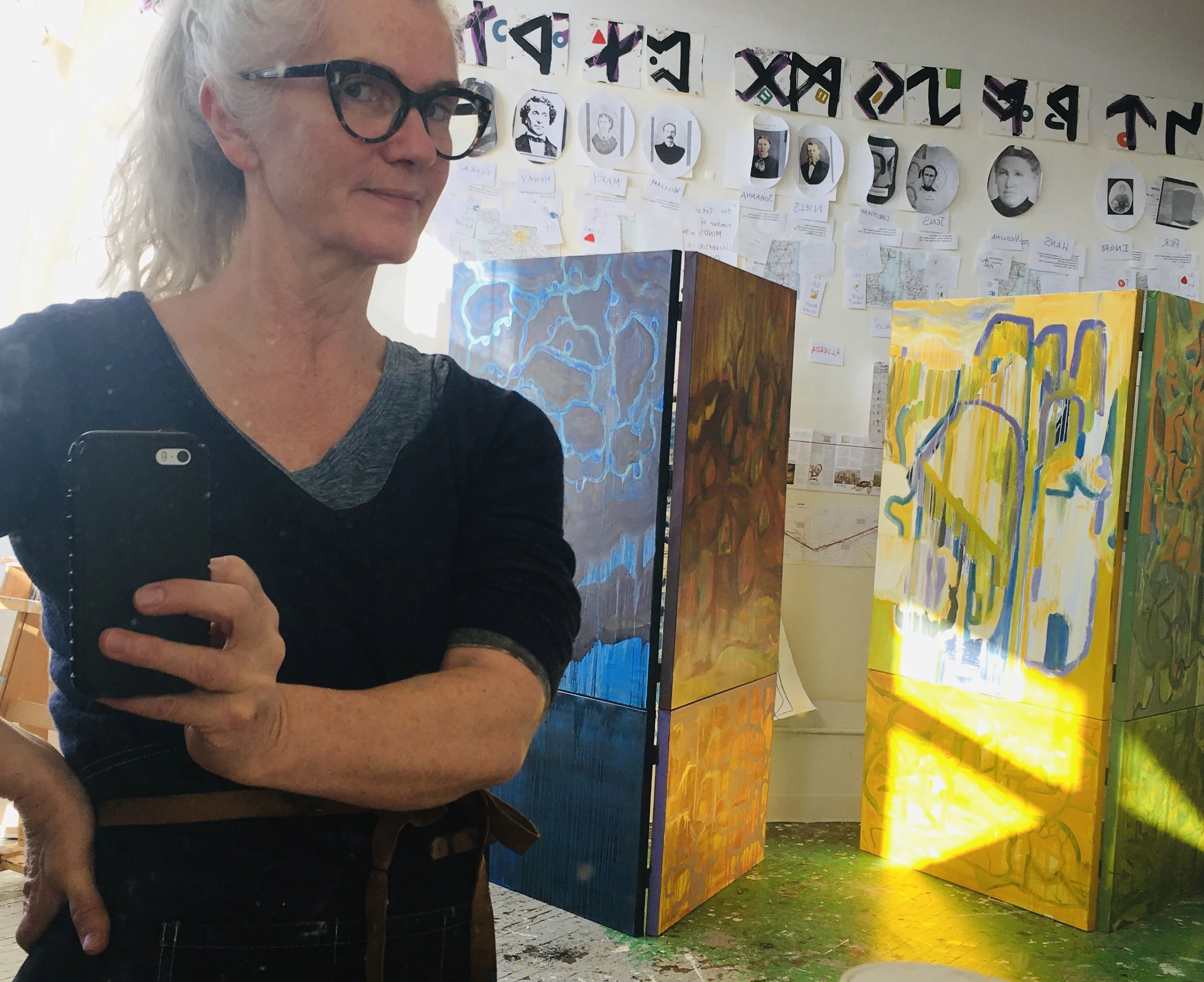
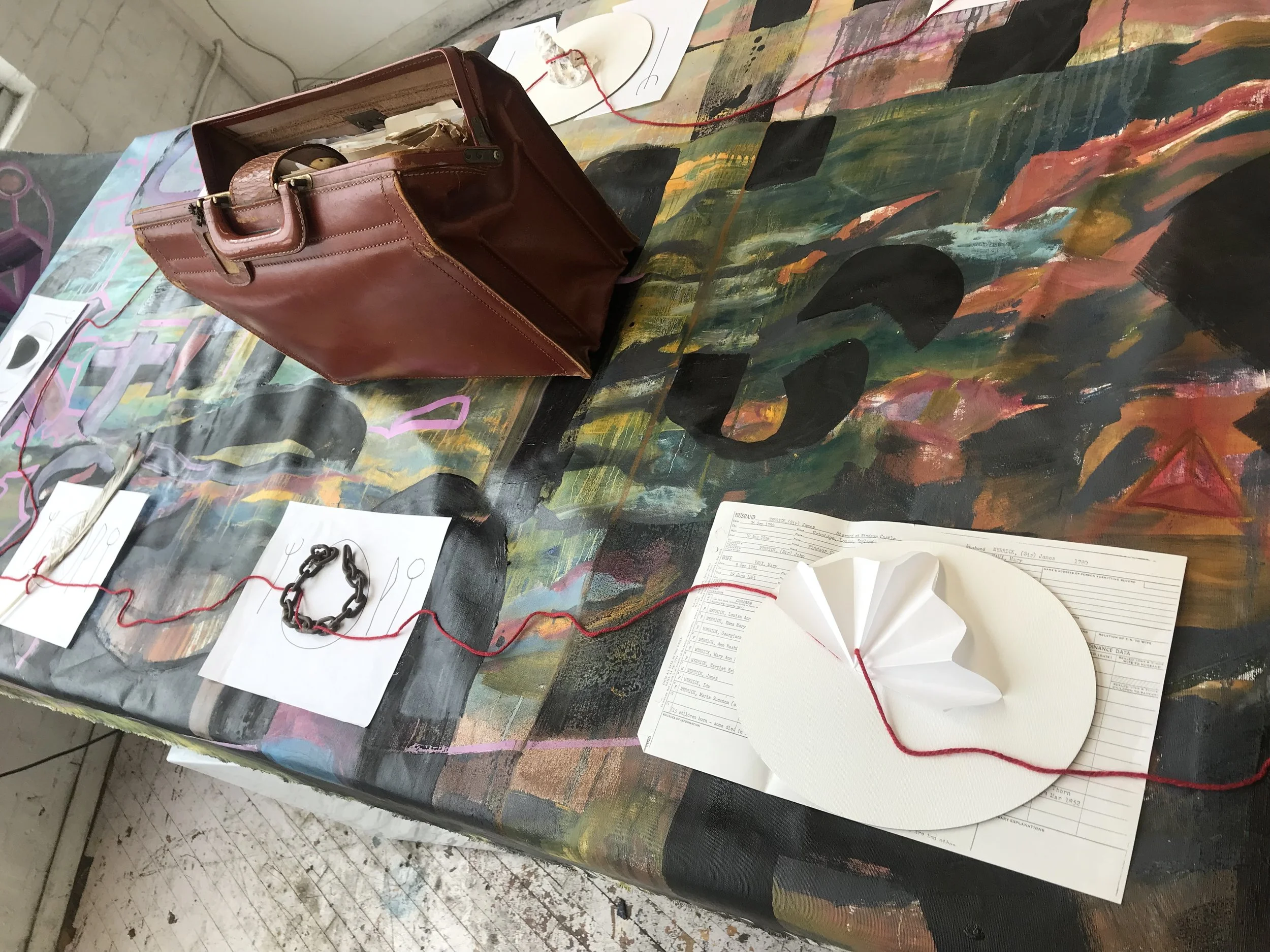
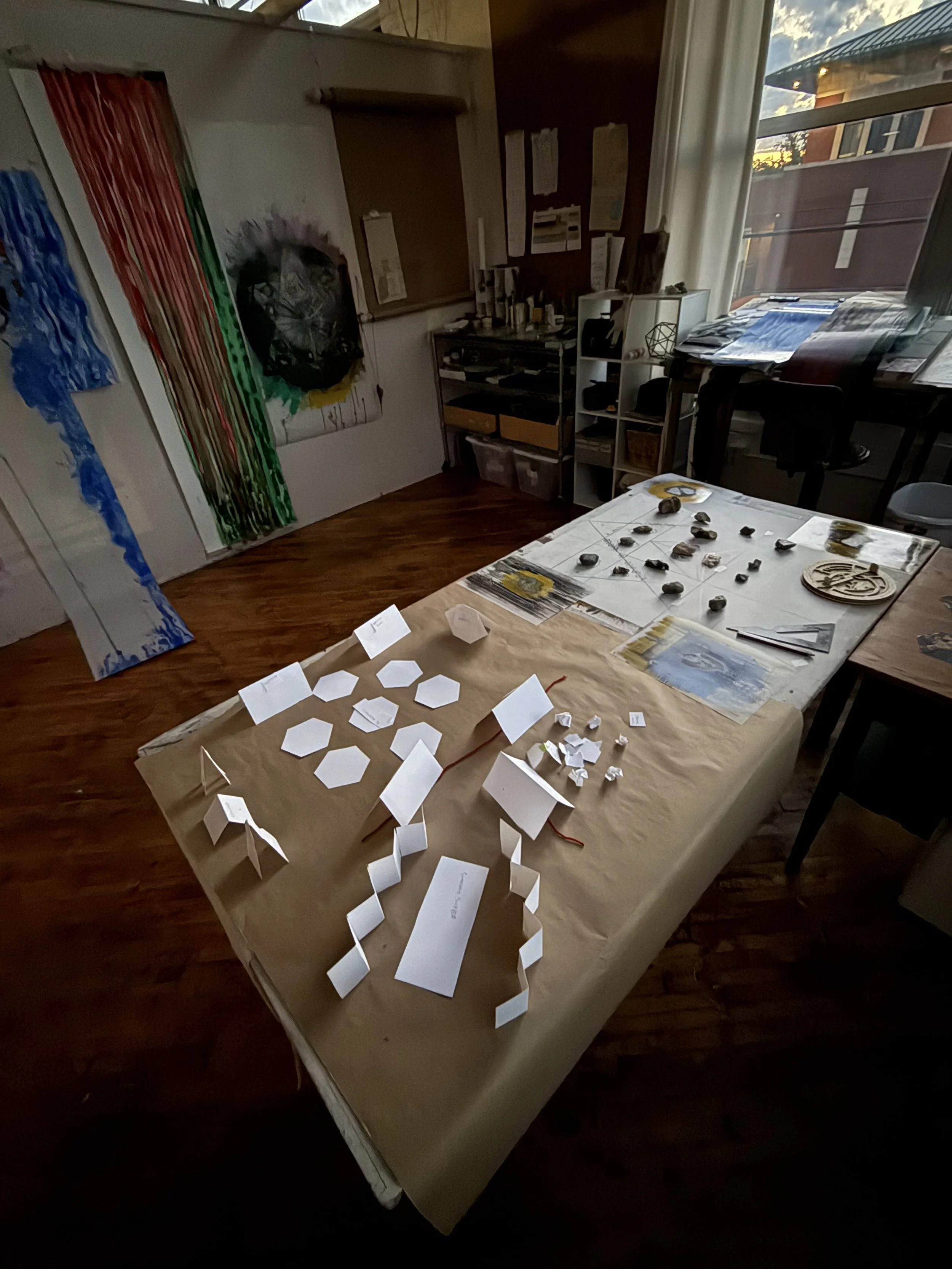
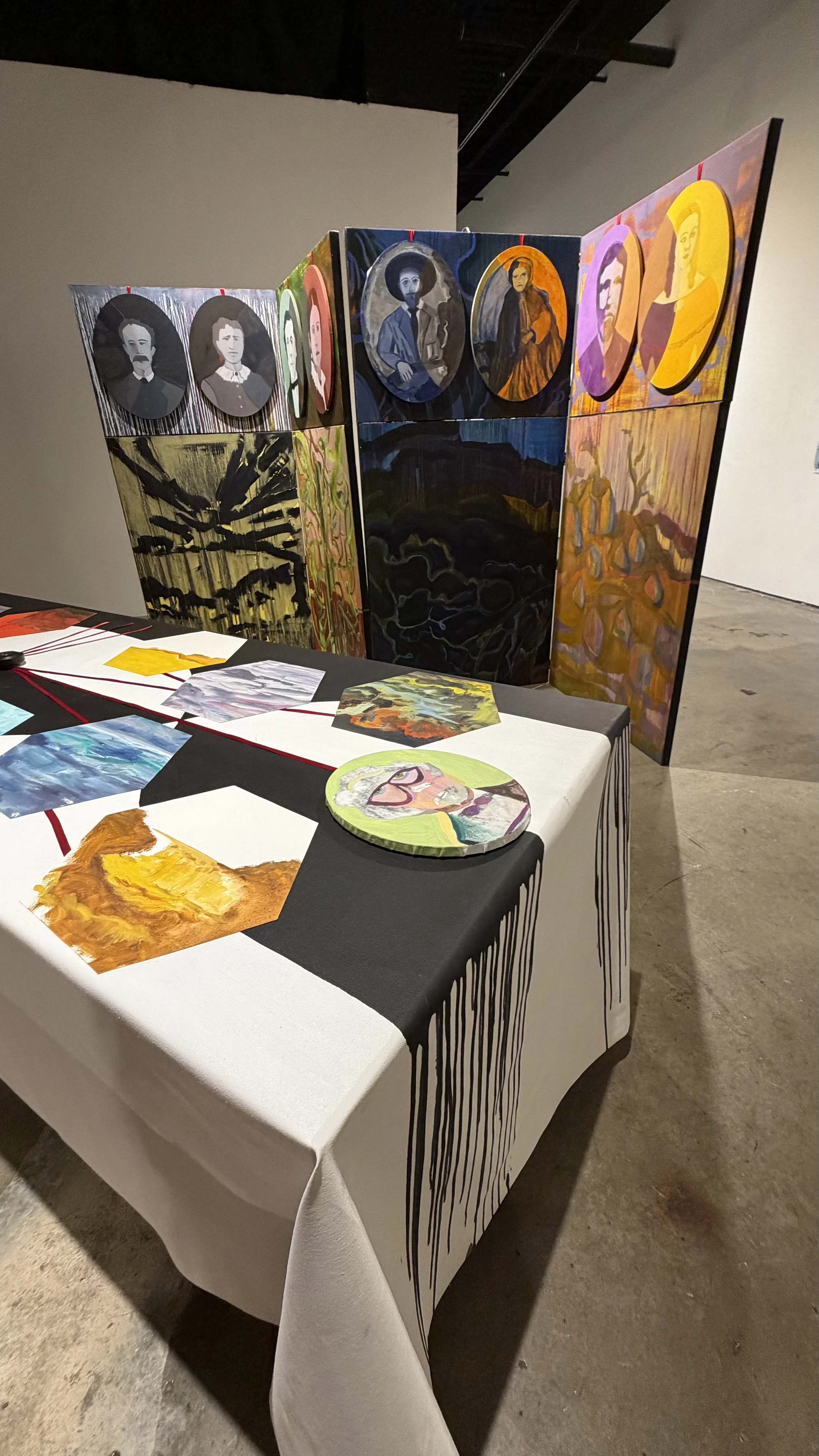
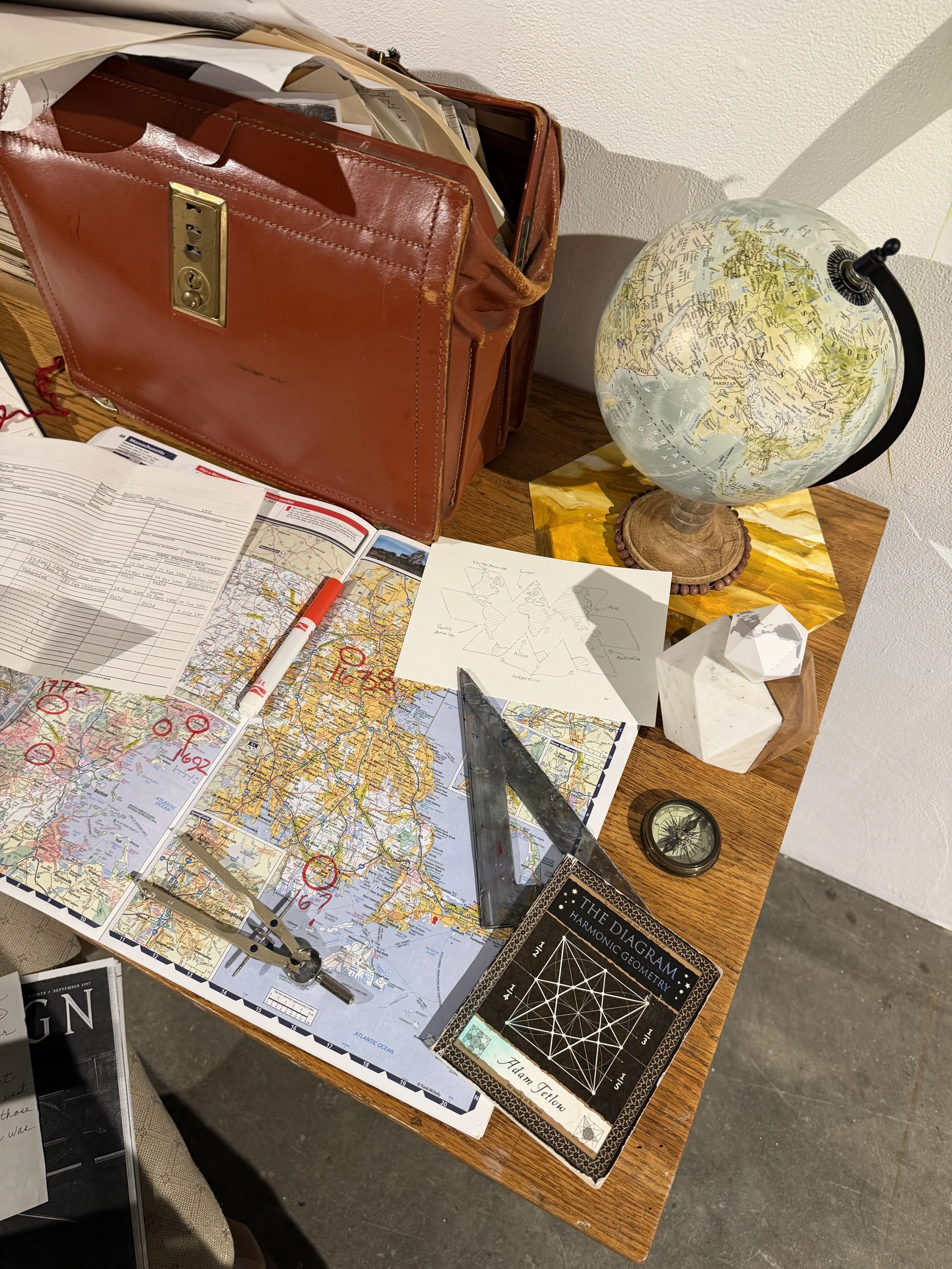
So … one day, of my professors came into my studio to look at the crazy “murder wall” l I had hung as the “research” for my MFA show - maps connected with red yarn, pictures of my 16 ancestors, quotes and colors everywhere.
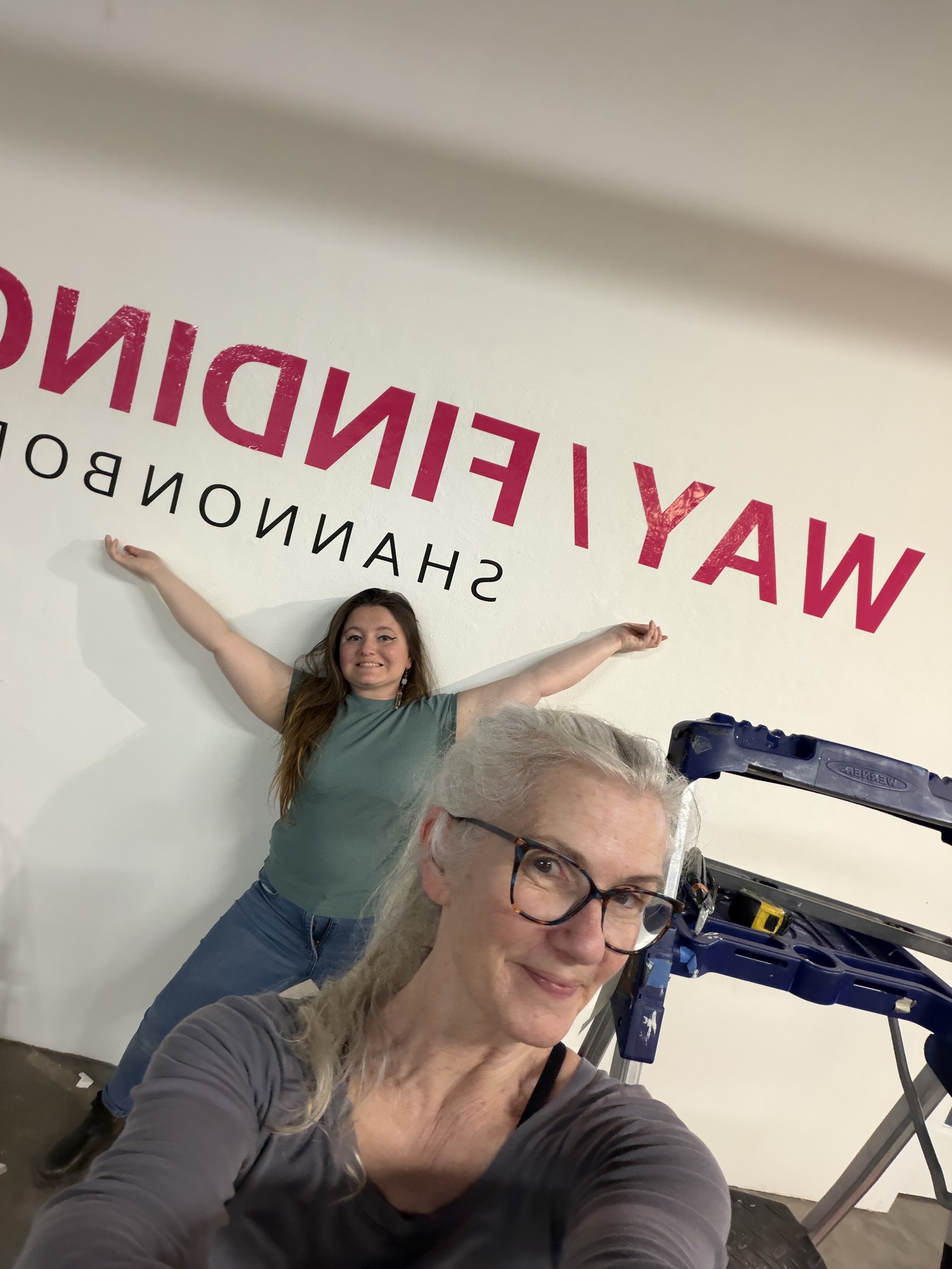
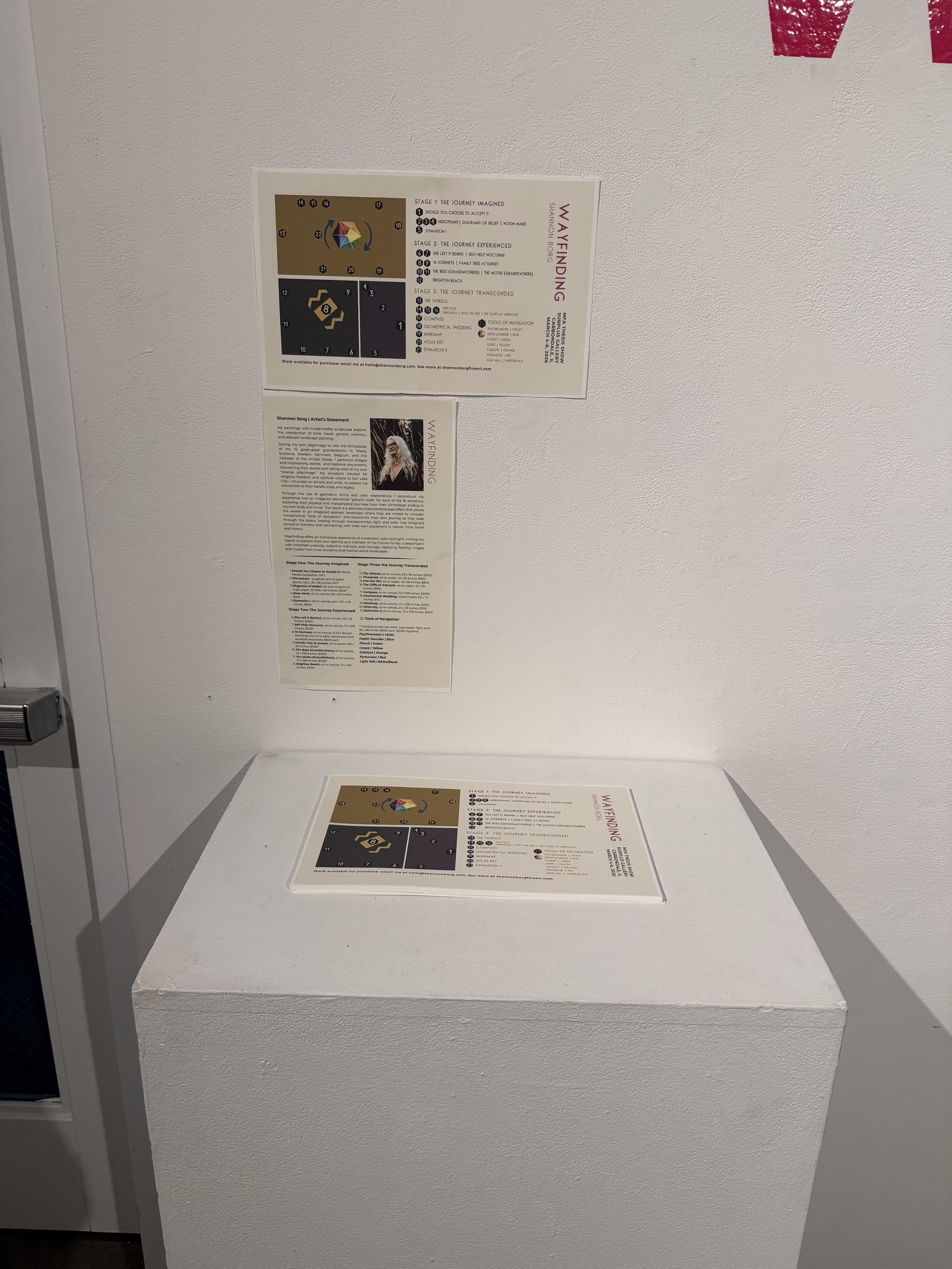
The project was first called 16 Journeys, eventually called Wayfinding.
I was exploring the ideas of ancestry, epigenetics (traits handed down through generations), and family history by traveling to the birthplaces of my 16 great-great grandparents. I had already visited 2 places in Scotland, but knew that graduate school would offer study abroad opportunities, and planned on going to England, Belgium, Denmark and Sweden to complete the project. Growing up Mormon, a respect for and interest in family history had been instilled in me. Where did they all come from? Were they like me? How did they all get here, to … me? I wanted to know more to understand them and myself.
I was also interested in creating more abstract work than I had in the early years of learning to paint. I was fascinated with theories of color and how they related to “sacred geometry” and classical philosophy through Plato’s “elements.” To some, all this was too much - these ideas didn’t seem to go together - but I felt connections here that I wanted to understand - why I was drawn to connecting these disparate ideas - color, shape, genealogy? 16 great-great, 8 greats, 4 grands, 2 parents - I felt the resonance in geometry, shape, and color.
My professor saw the wall and immediately said: “It’s too complicated!” He said “ …if you have to explain all this - people won’t get it - or care.”
And he was right. But I felt there was something I needed to explore by integrating ALL this together; I just wasn’t sure what yet.
Processing Emotion
After our meeting, I felt defensive and butt-hurt. For days!
I spenta week spinning in my head thinking - he doesn’t get me - no one will get me … what am I doing here. I have no idea. So I pulled out my trusty mind-management tools and got to work: I journaled, just writing down exactly what happened and what my emotions were about them - a thought download. Then I “did a Model” - employed The Self-Coaching Model to understand and process my emotions, and help me understand where those emotions were coming from, and find a place that felt more useful and straight-up defensiveness and pain.
But after a few weeks - and even now, I realize that not only was he right, but he opened a door for me. I needed to make my project not more simple at the beginning phase where I was in it - but more complicated.
I needed to go all in on my own path - not change it for someone else - even if he was “right.” I needed to come to this for myself, while integrating his advice where I could. This new thought: “I complexify to simplify” helped me manage my mind and process my emotions, move through defensiveness to excitement about what might come next.
Integrating Critique, Forging Your Own Path
You’d think at age 59, I’d be over this, but aat first, I had judged him. I was mad. I was hurt. I reacted way out of proportion to the critique - which touched a nerve. Why was this bringing up old stuff for me?
After a few days, I realized the real goal here was to manage my own mind. So I realized all the critiques I was getting was happening for me, not to me. What a gift, to have people focus on your work, and generously spend their time thinking about it - no matter what their opinion of it is. It is a conversation I want to be a part of.
As artists, we can be so self-focused that we forget this bigger picture. I know I was and am still learning this lesson.
I’m not sure if this totally happened, but it gave me a chance to start to be totally open to any criticism, comment, and misunderstanding.
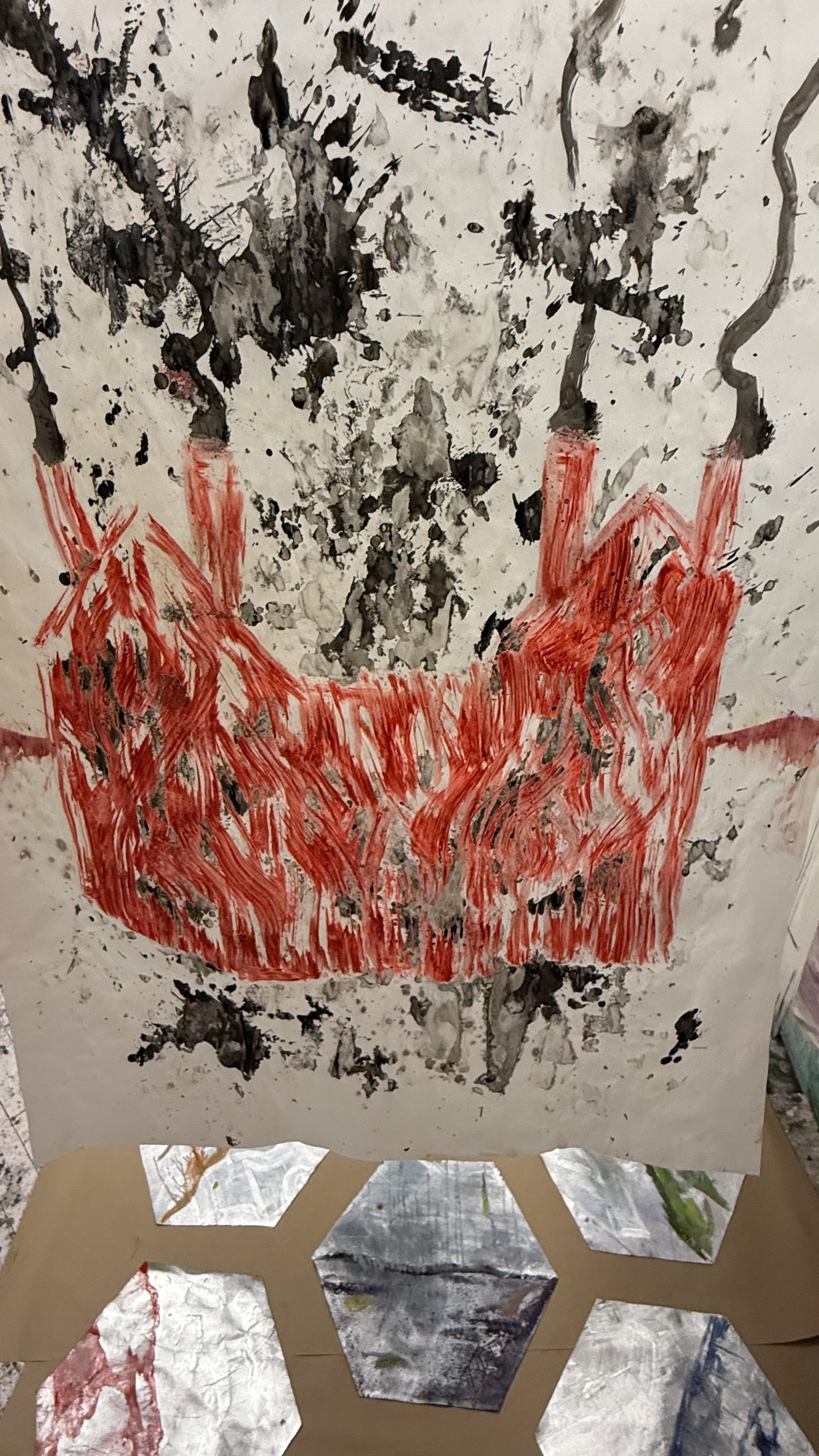
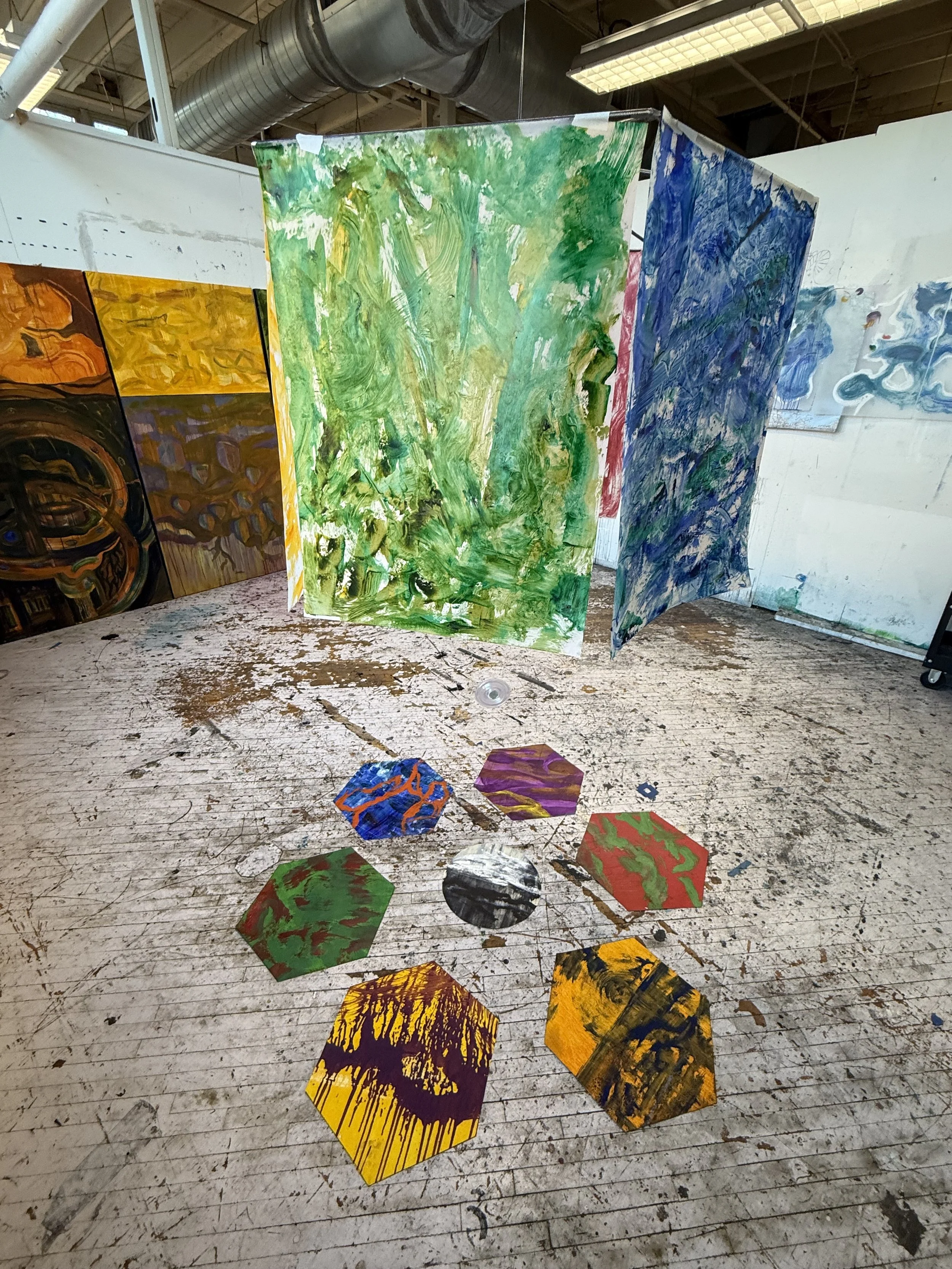
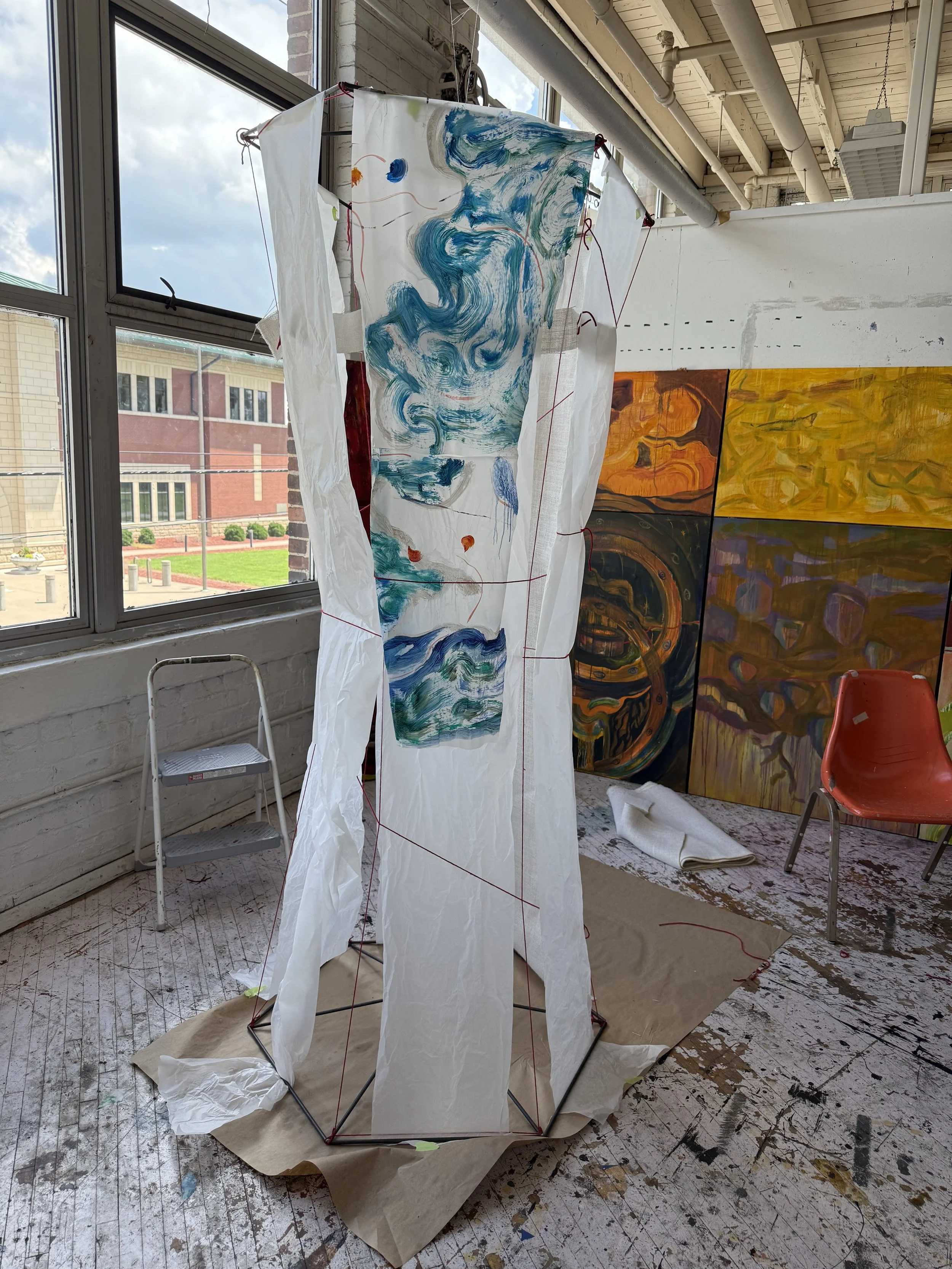
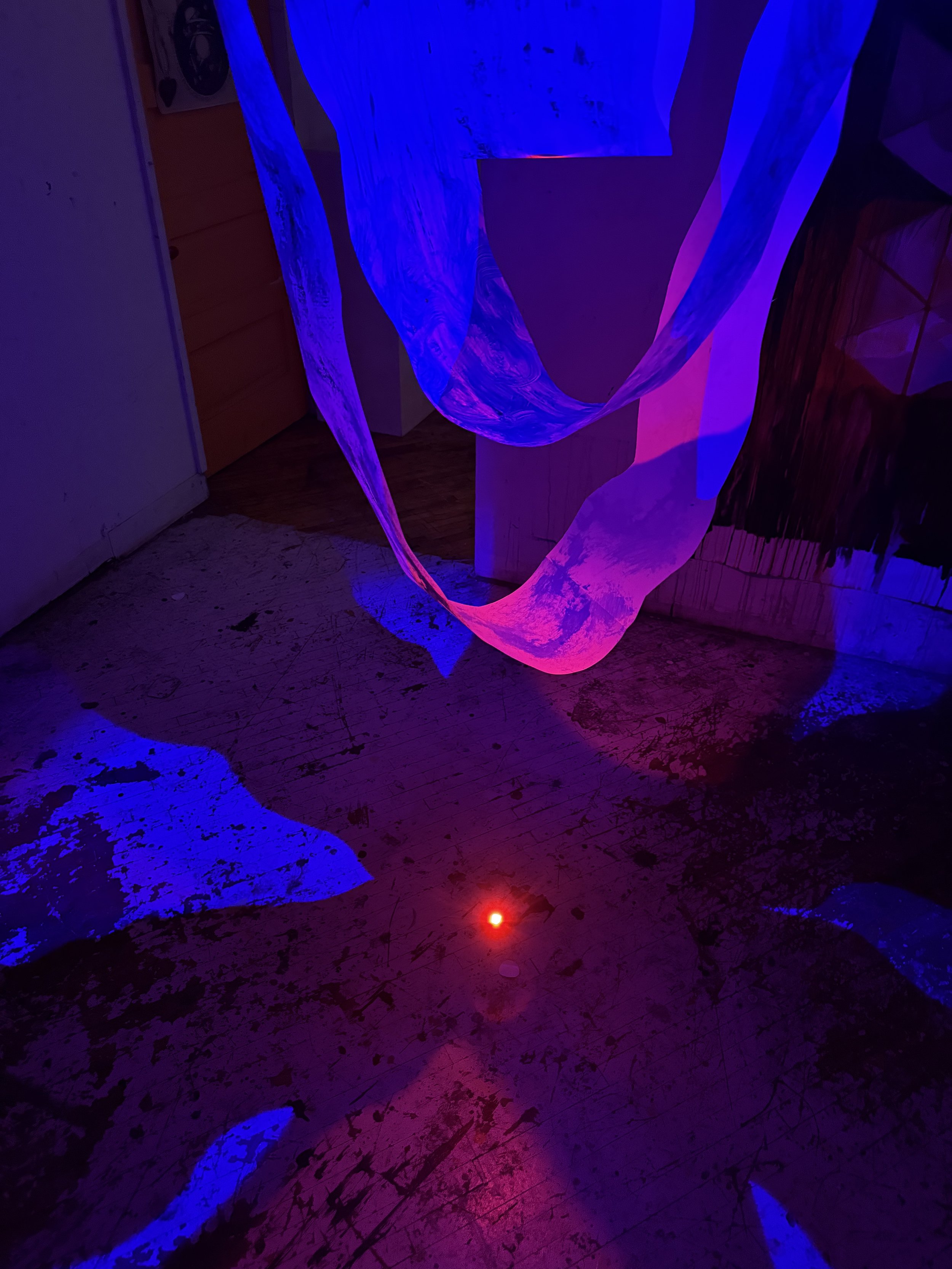
In this case, his critique helped me invent the new mantra for myself: “Complexify to Simplify” - knowing that the way, for me, was going to be to go down EVERY rabbit hole, expand on every idea, read every book - and eventually, the ideas and images would settle into something simpler, something that people could connect with, that didn’t compromise my own vision. MY job was to express myself - not to cater to a viewer. Just to express myself more fully and discover what I truly needed to communicate - whether that is just shape and color relationships, or more philosophical ideas.
Another saying I practiced was: “Artists seek to be misunderstood.”
We’re not trying to explain ourselves to anyone. We only need to be specifically ourselves in every way - and from that process of self-expression and self-discovery, will will not only become truly at home with ourselves and become more clear about that self-expression, but we will be an example of what is possible for others, and others will connect with that.
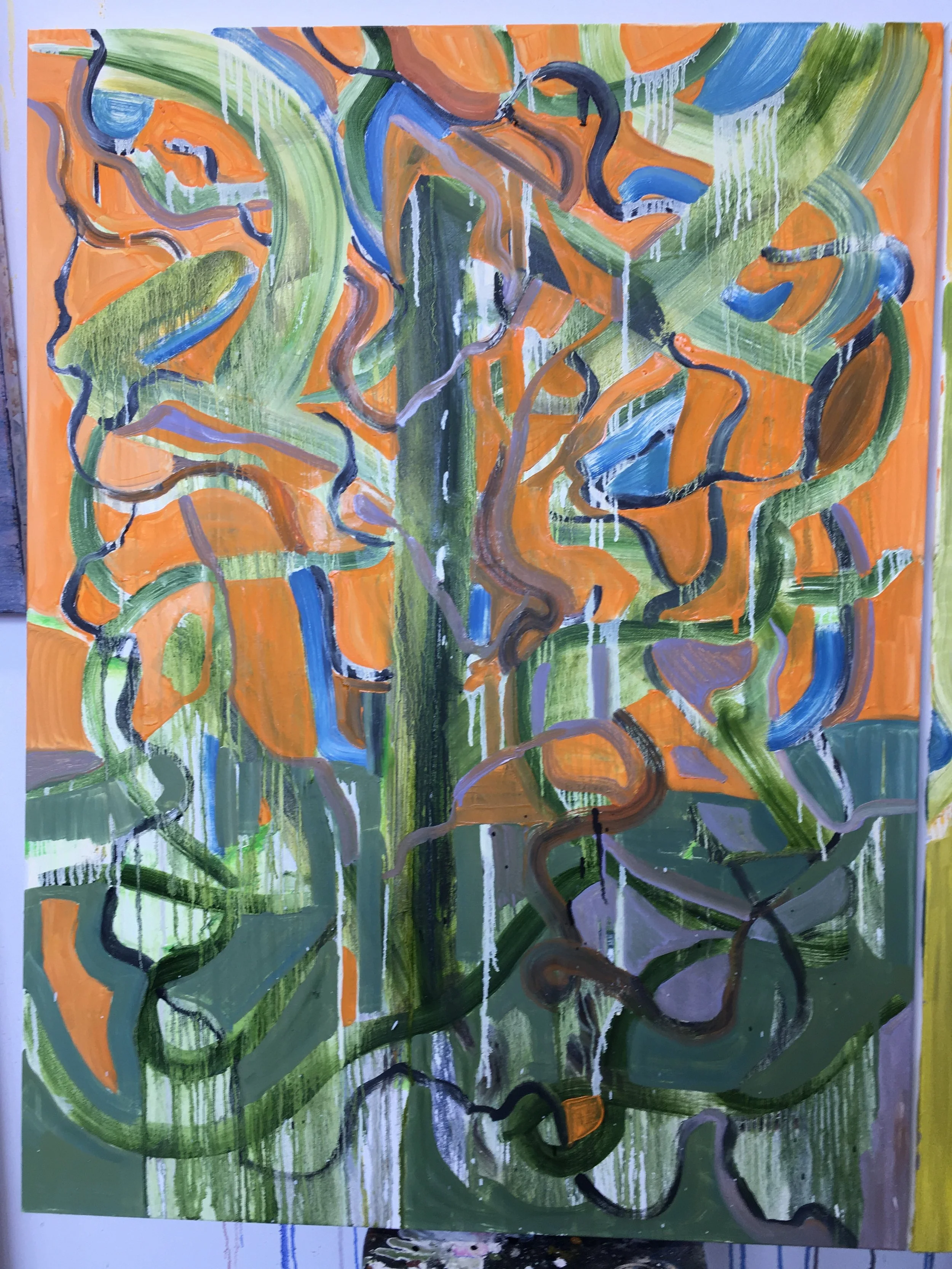
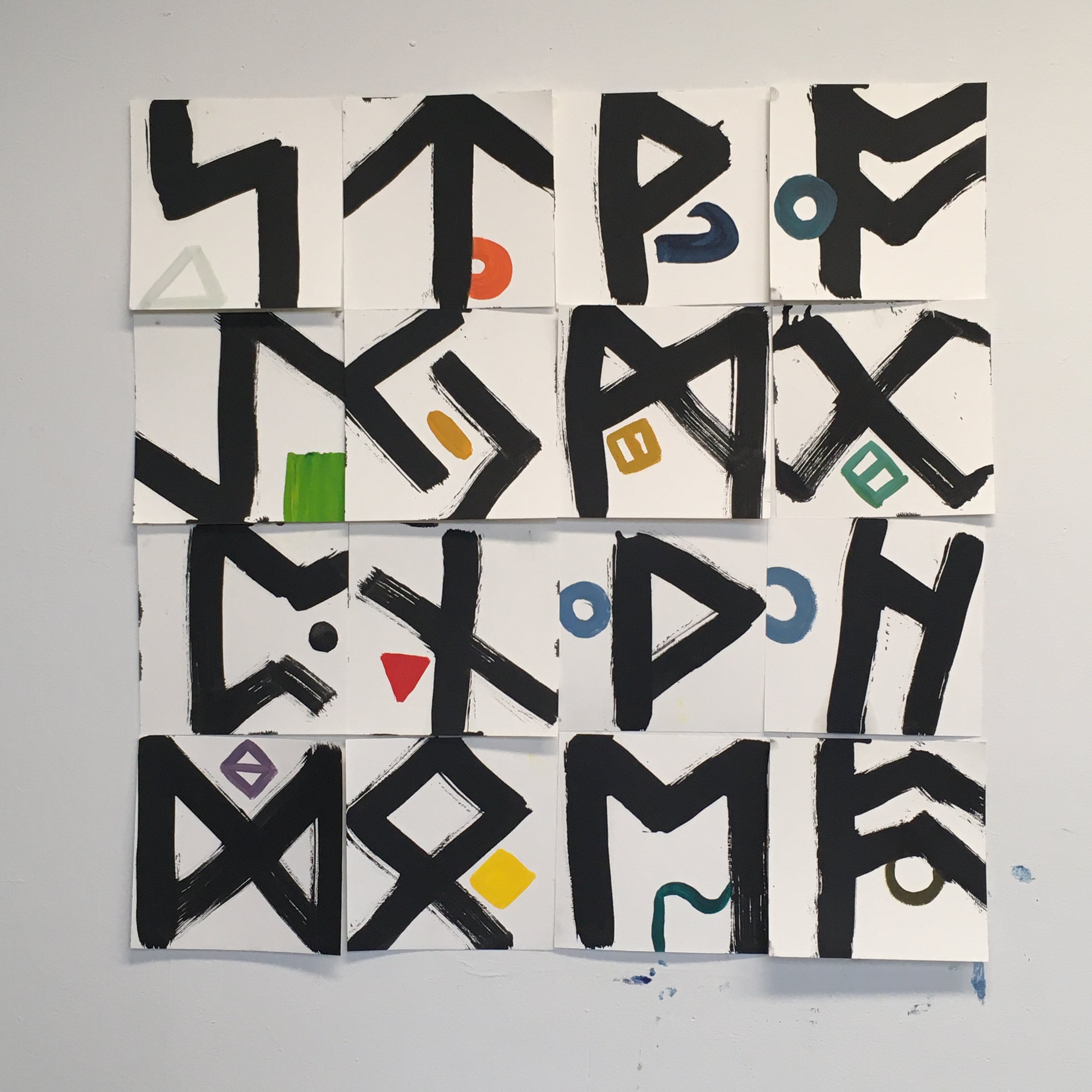
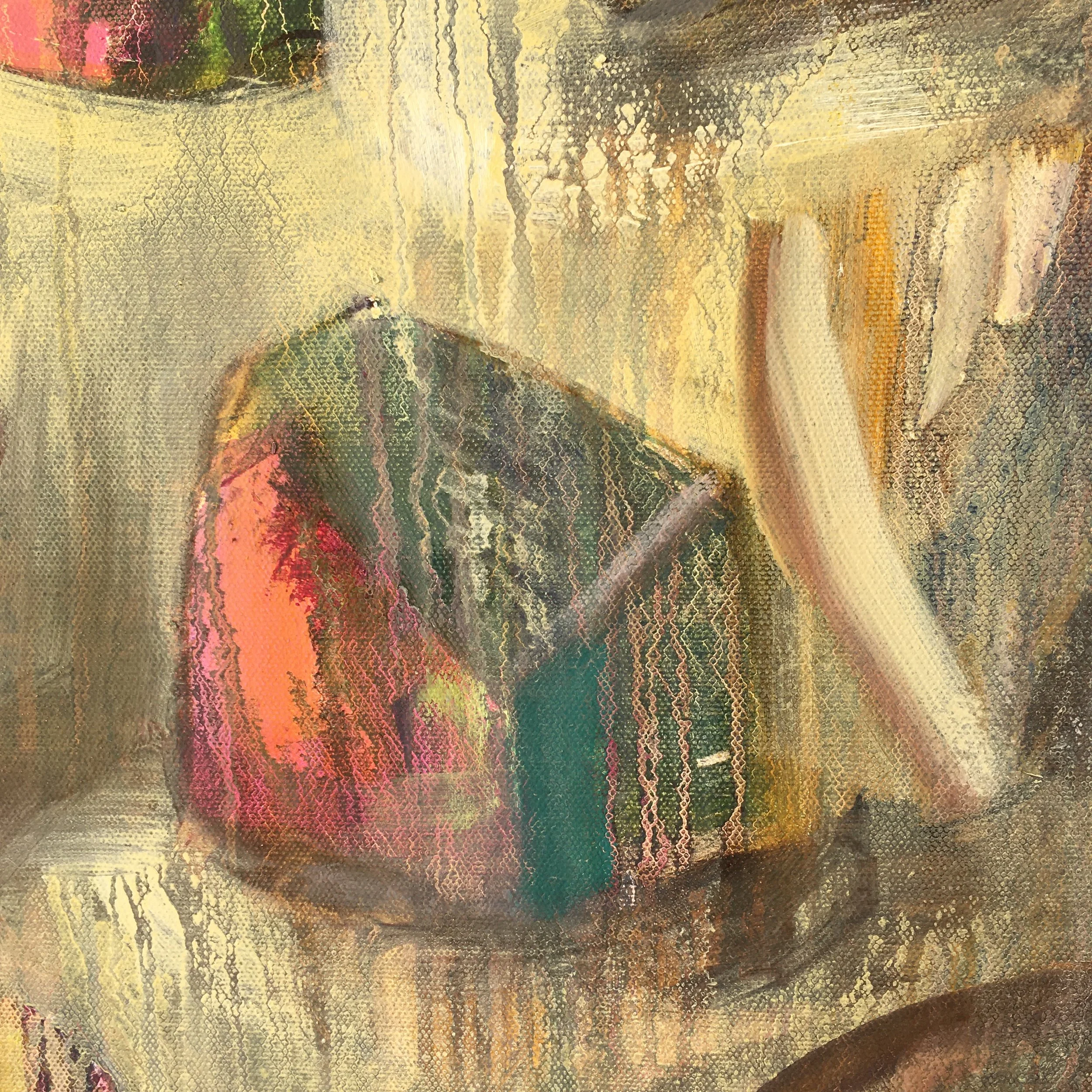
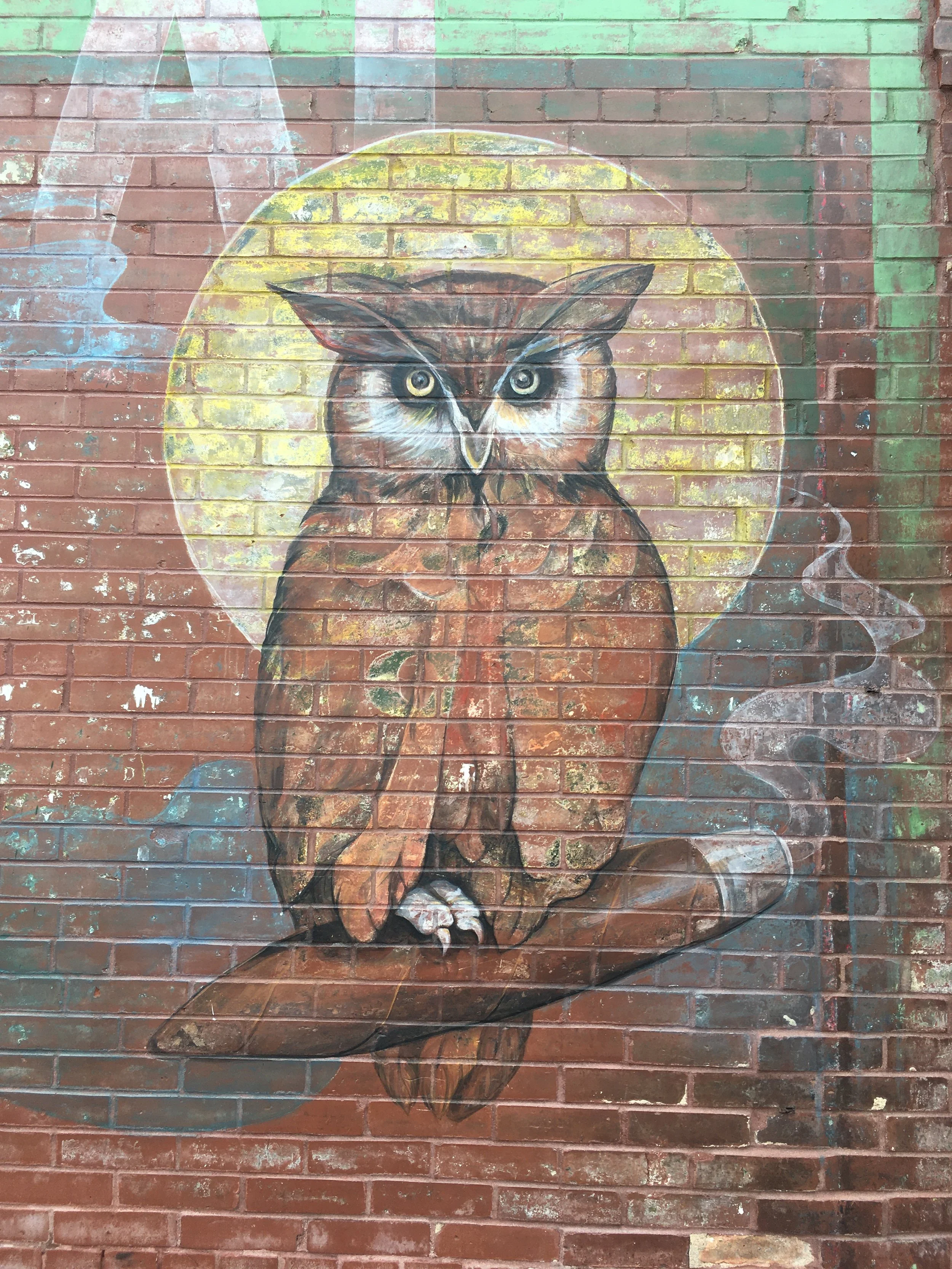
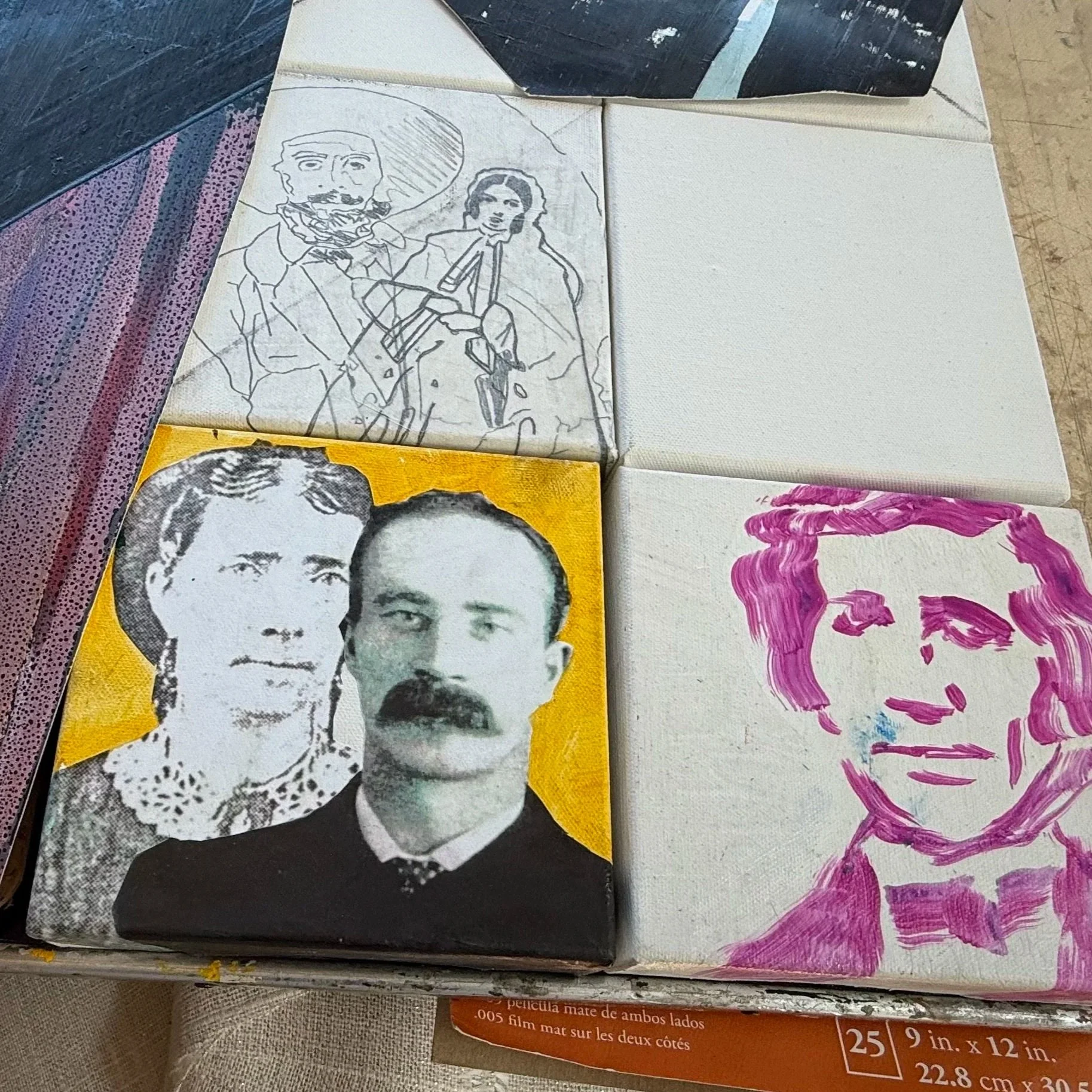
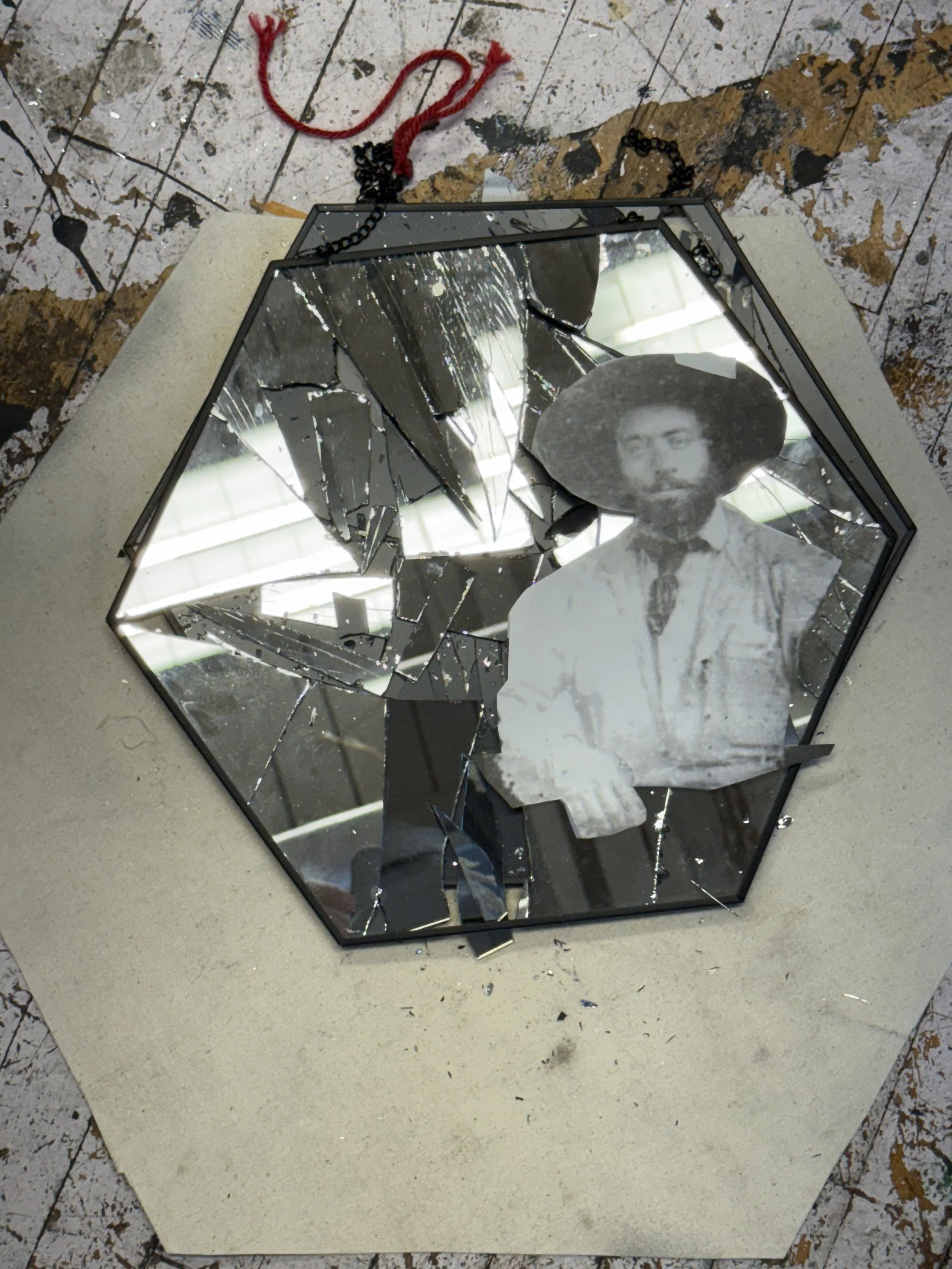
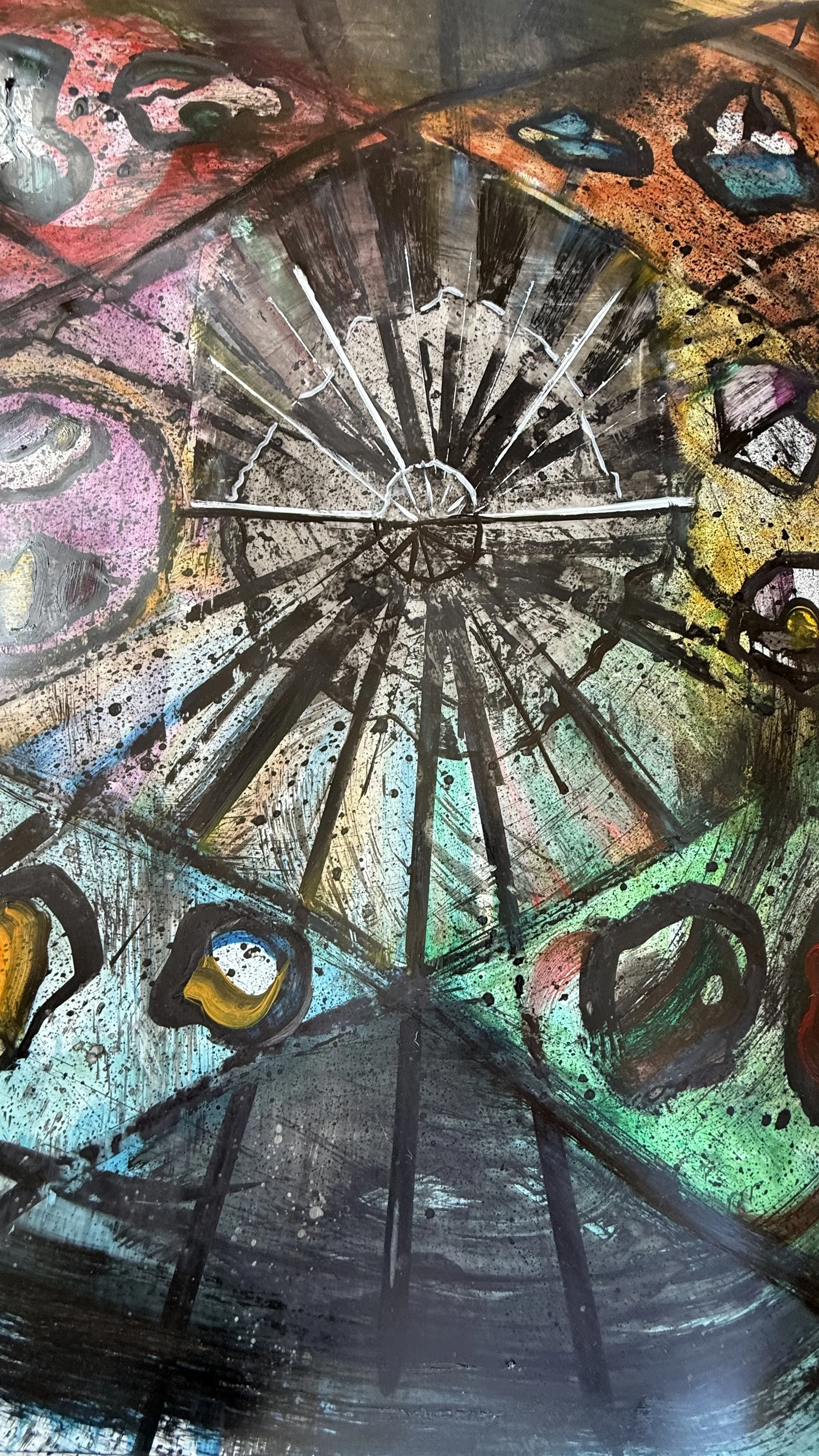
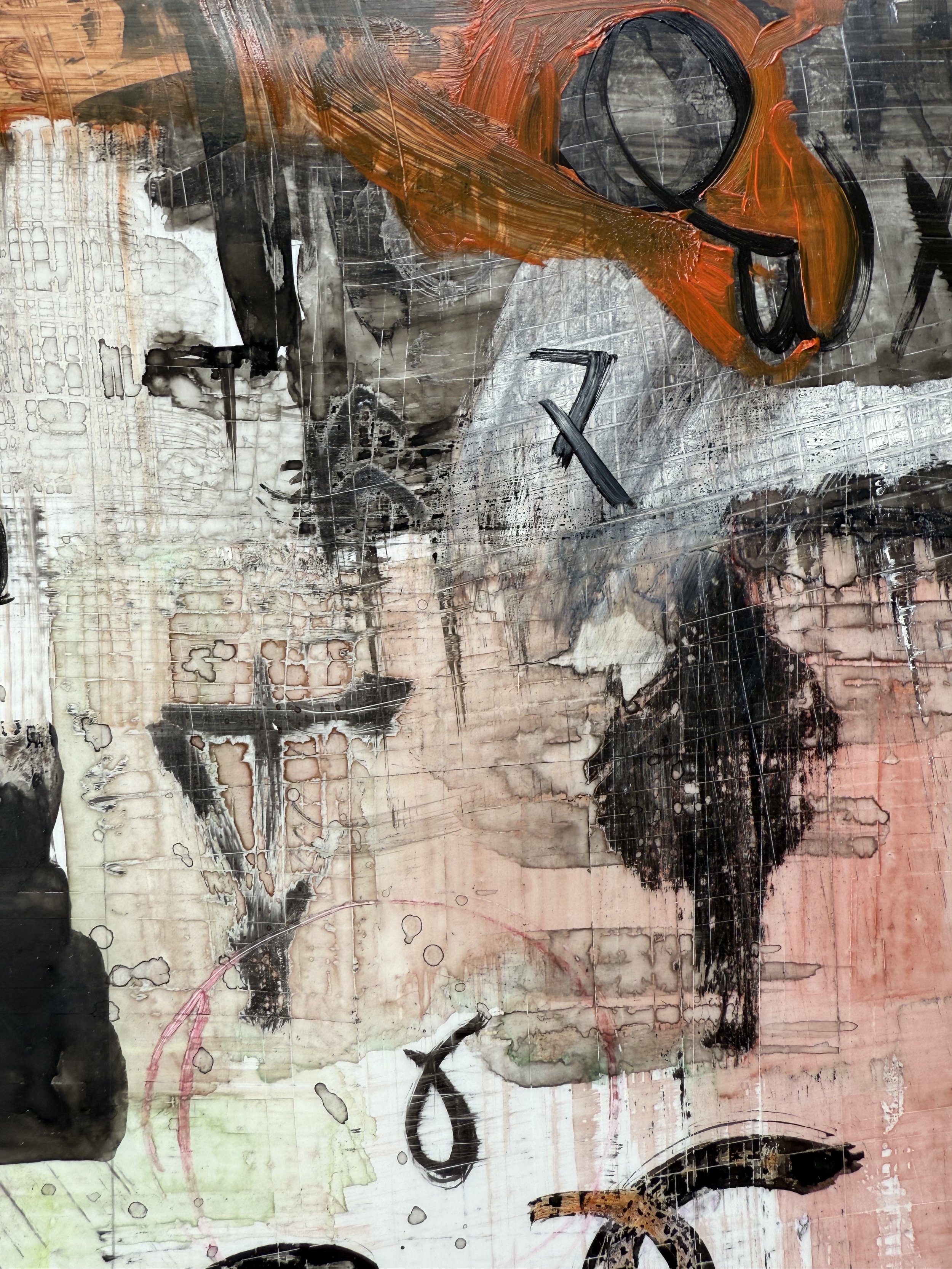
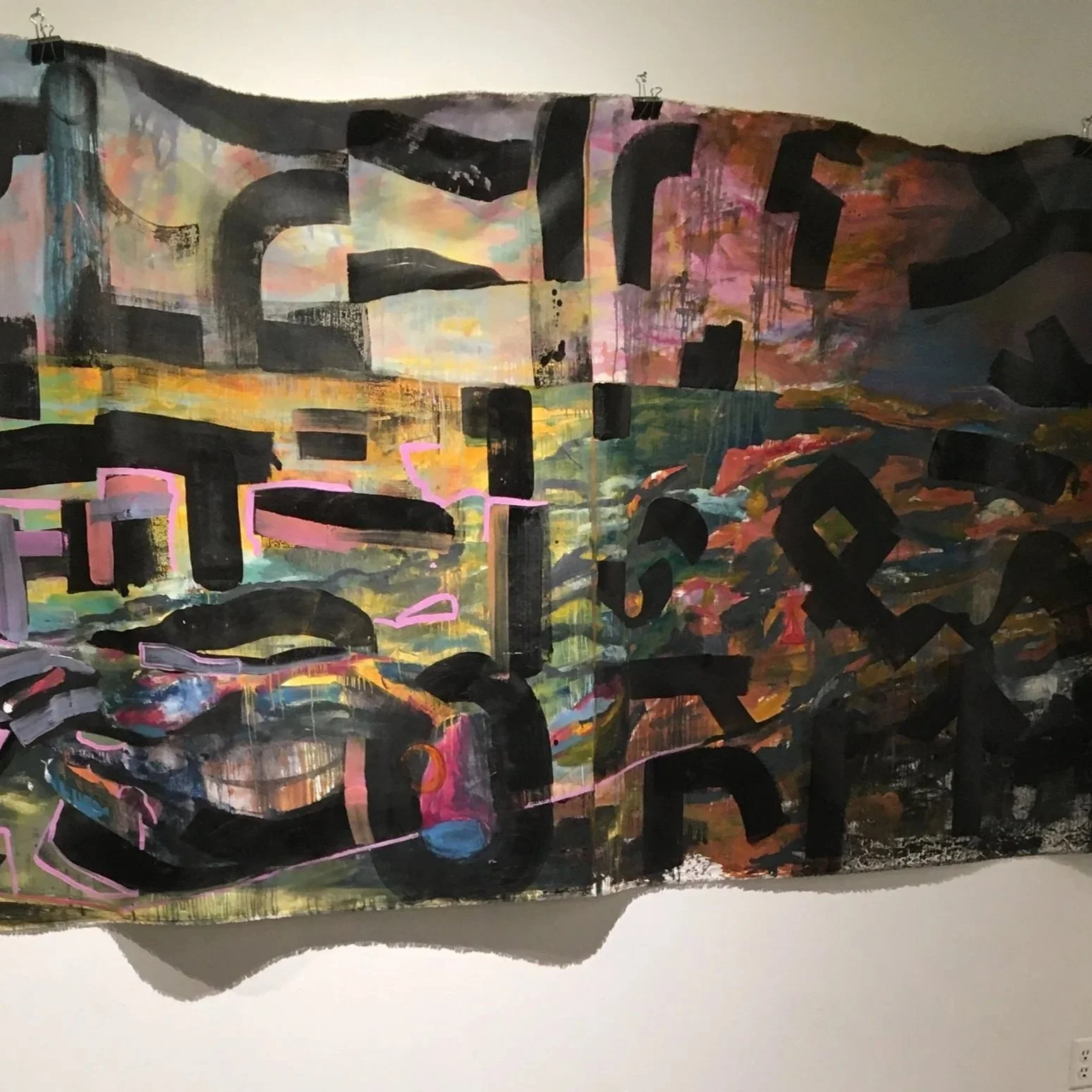
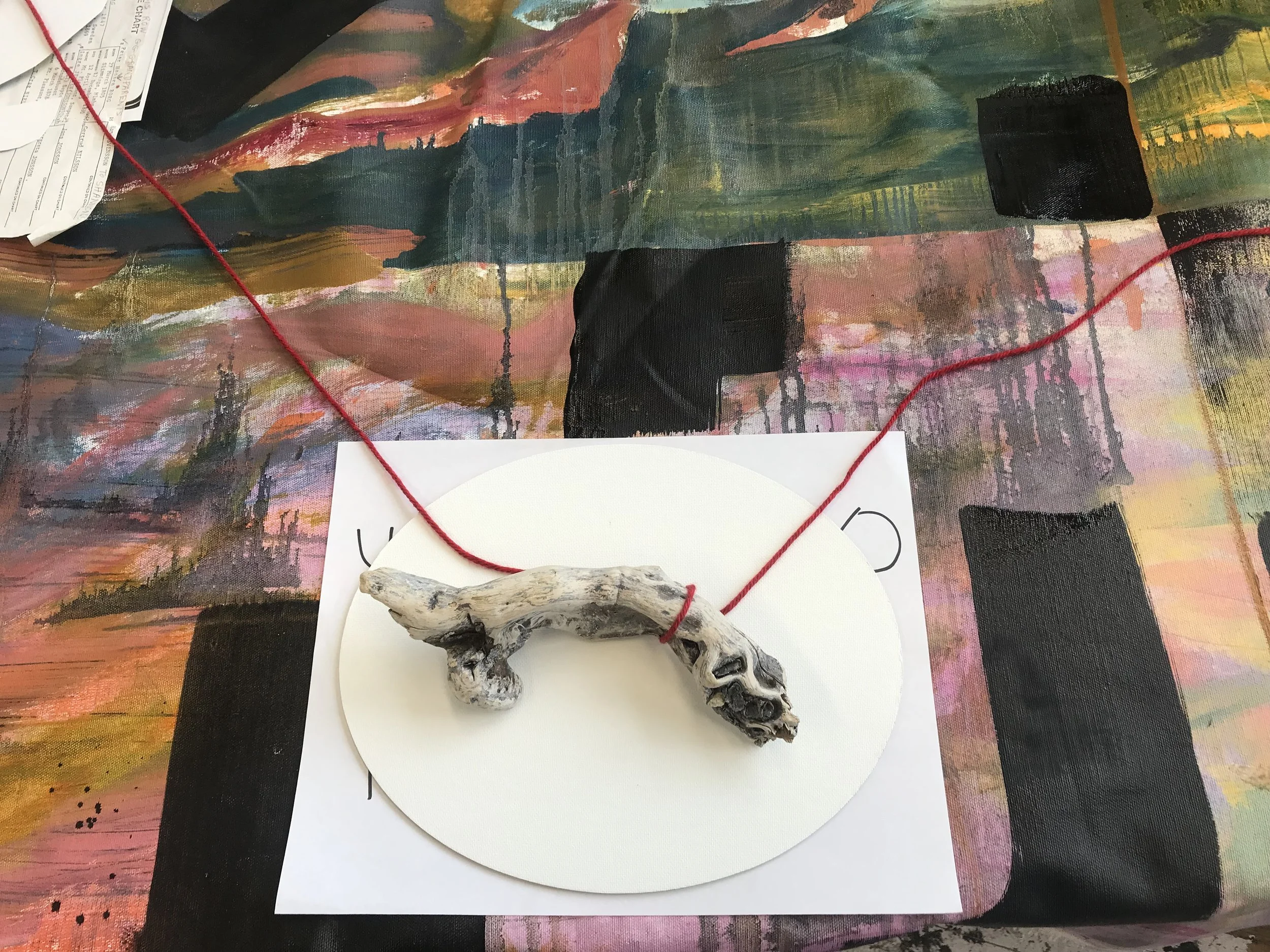
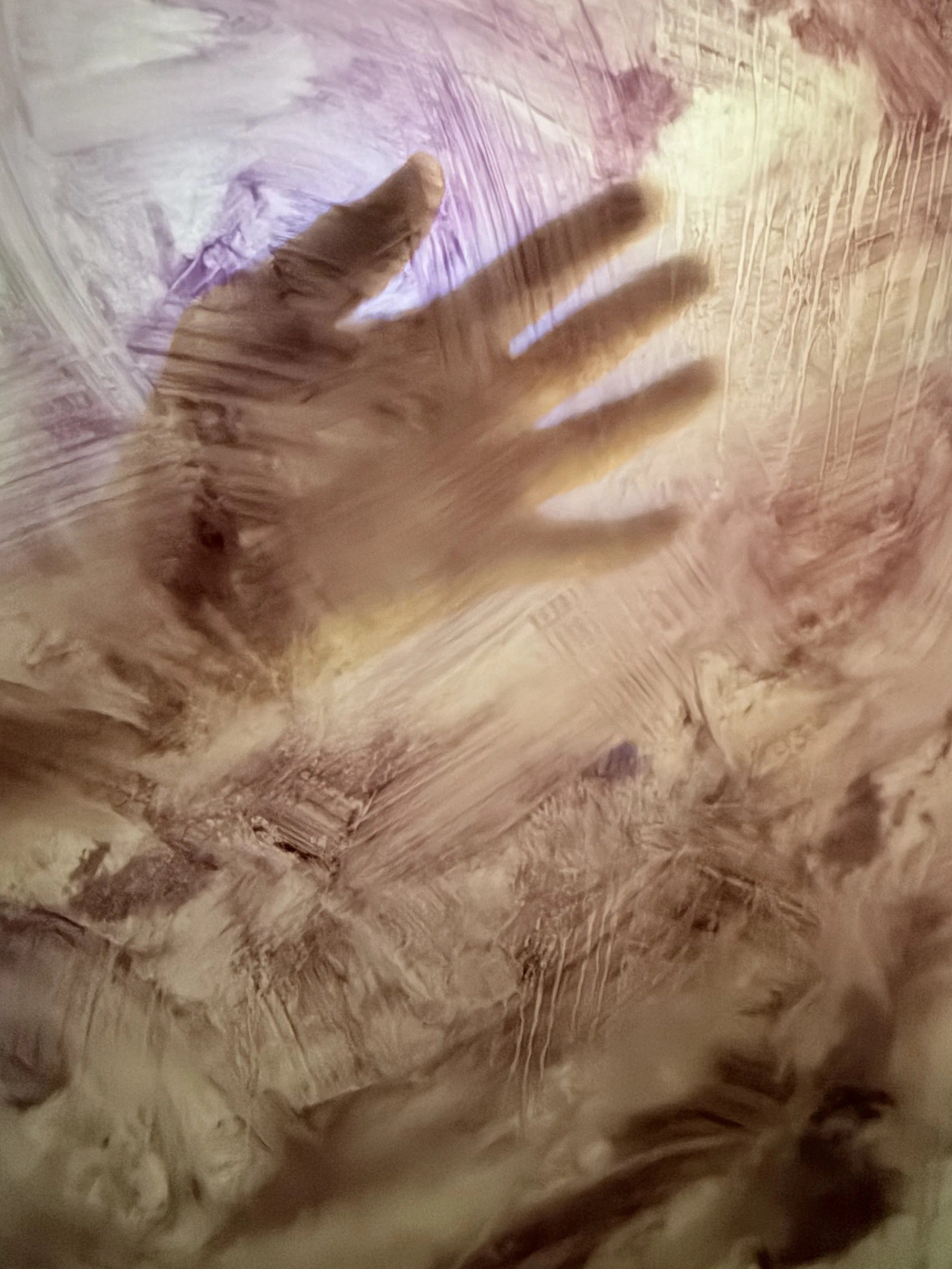
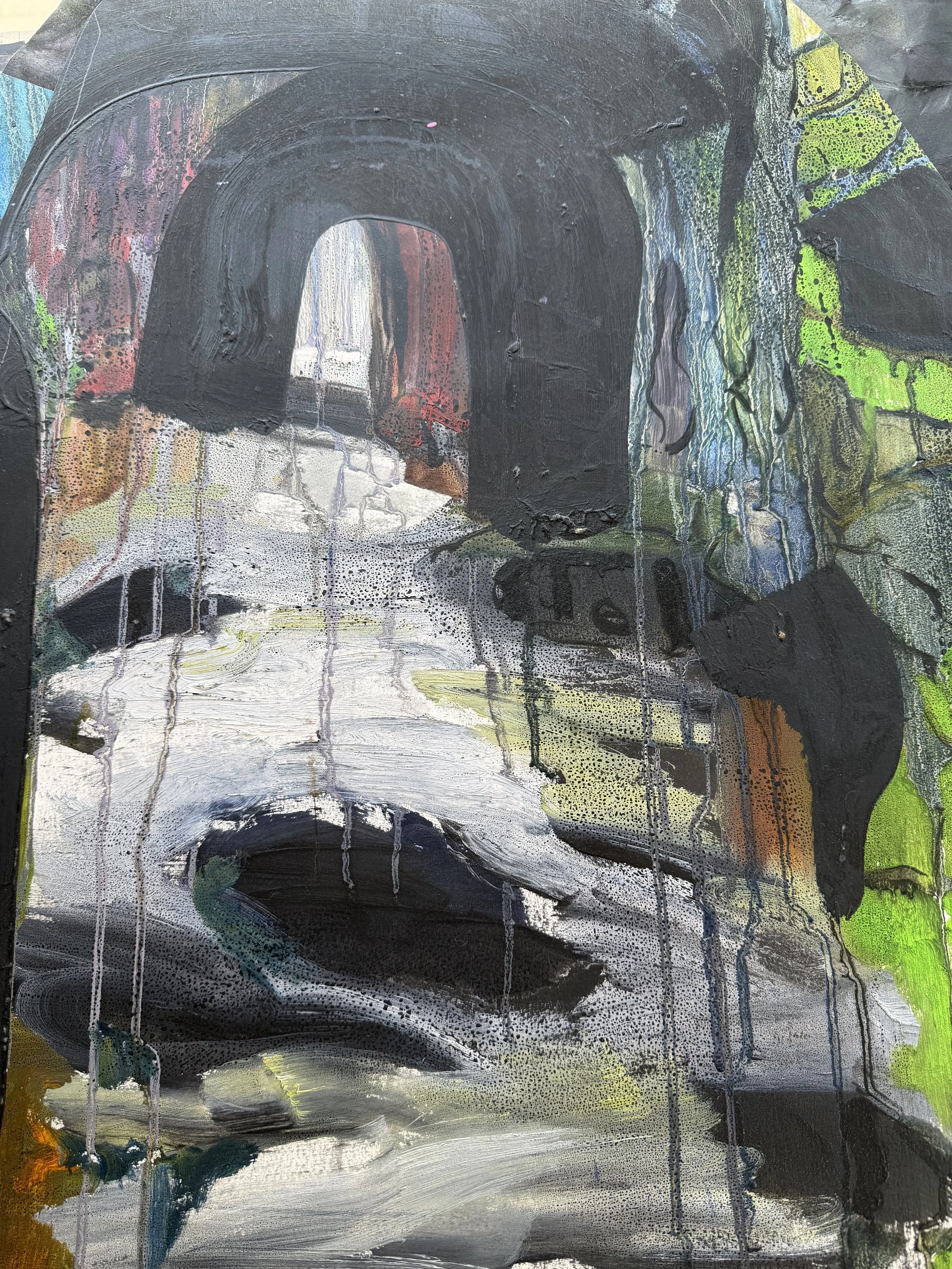
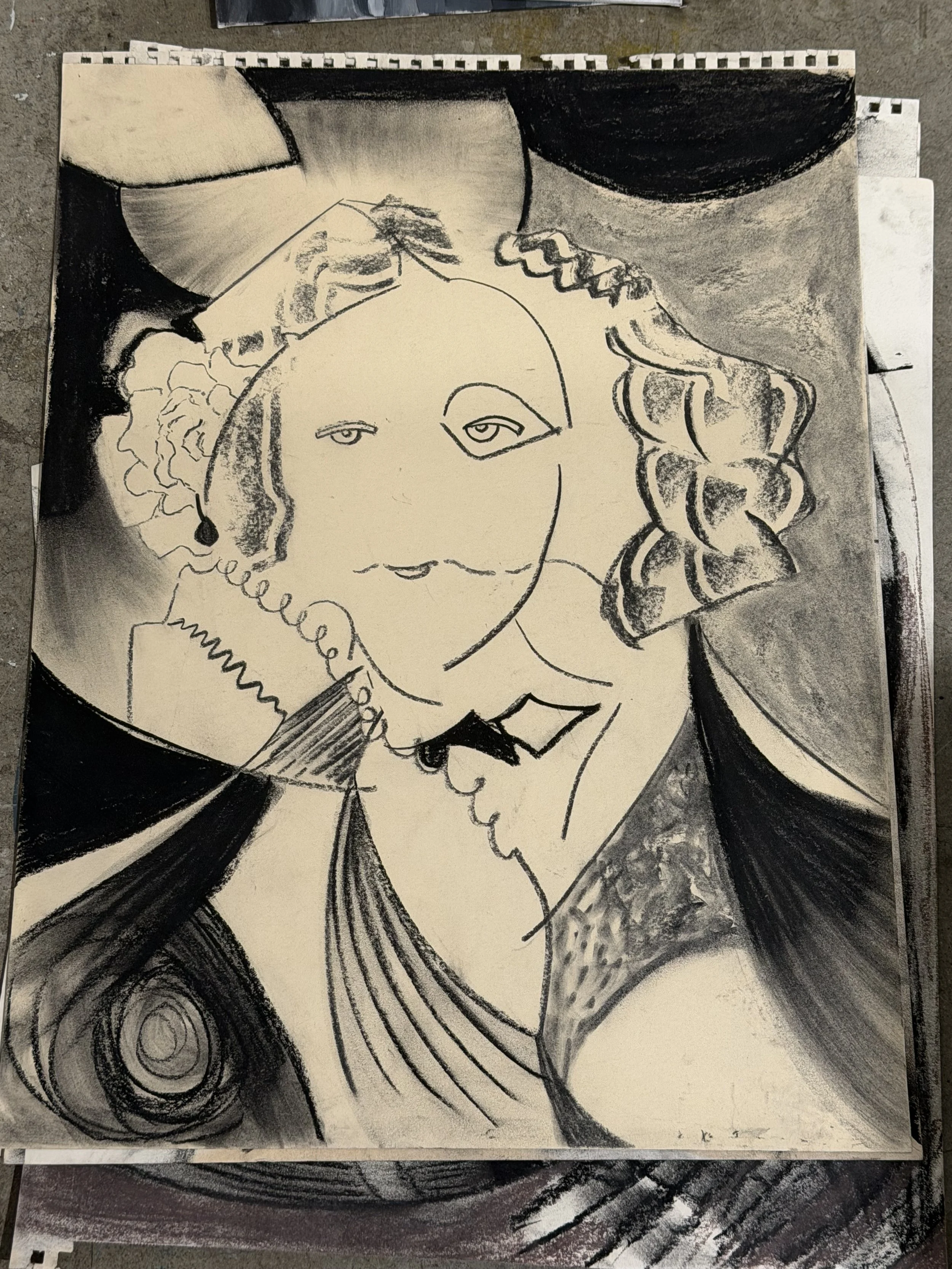
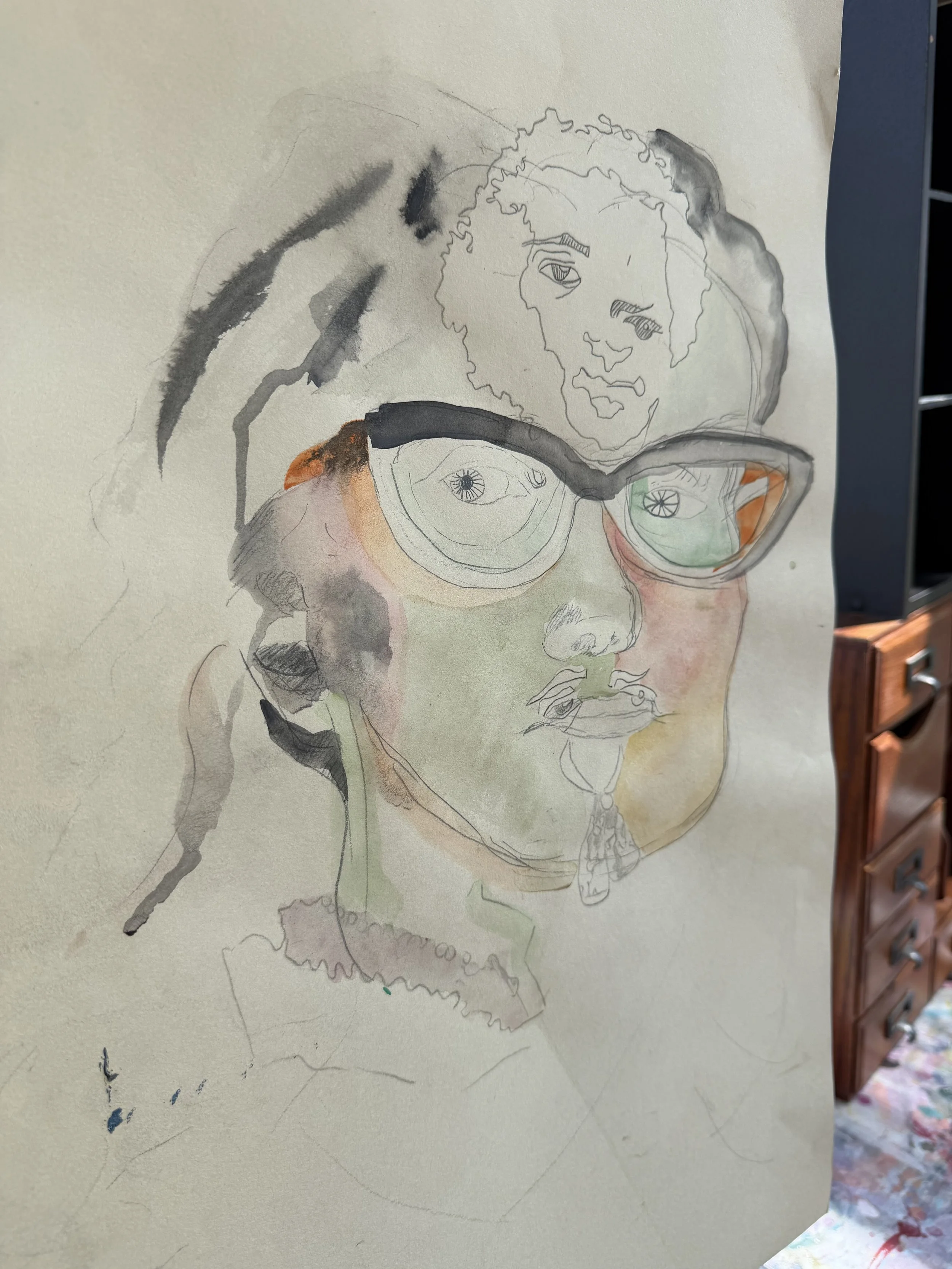
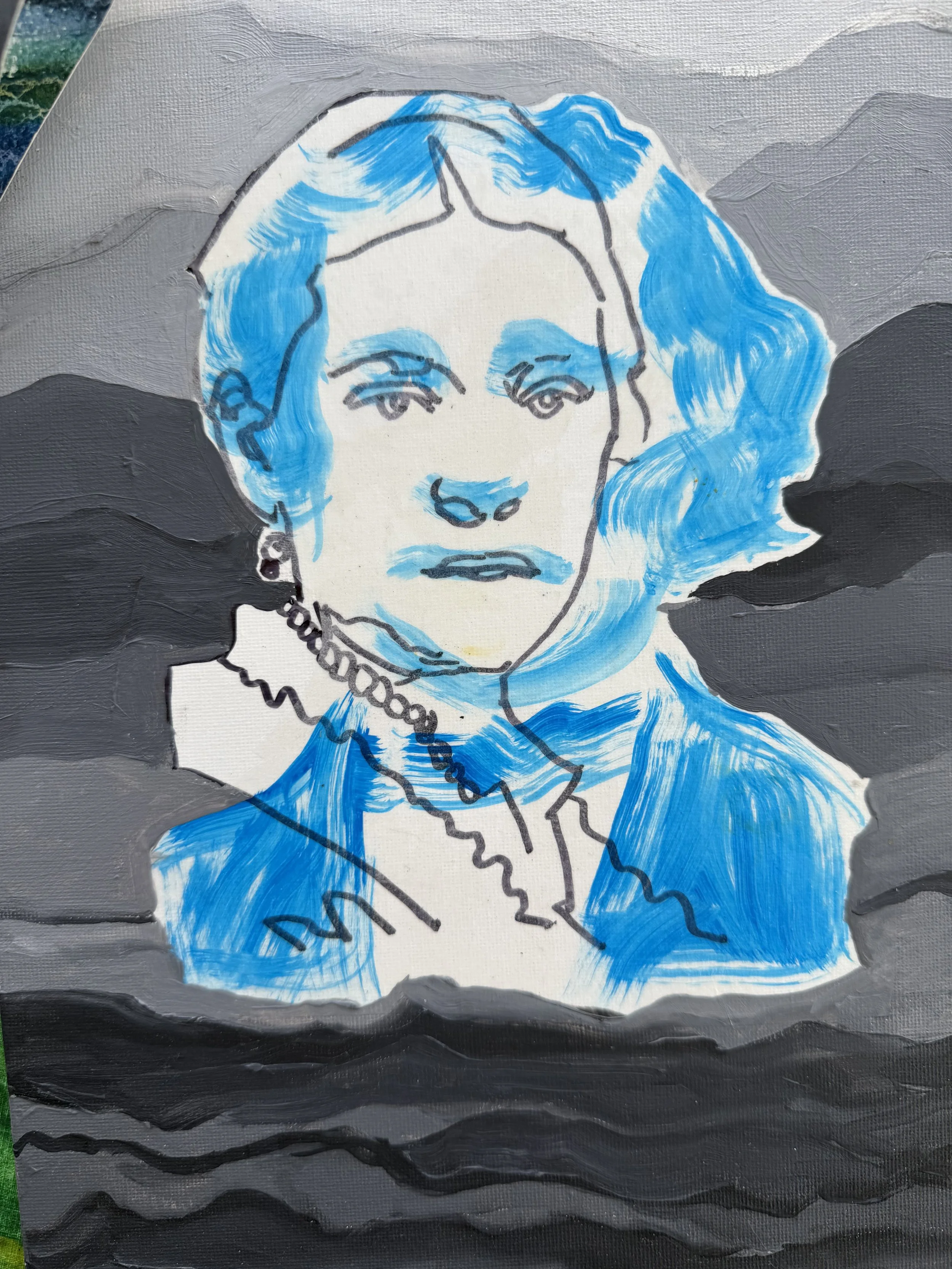
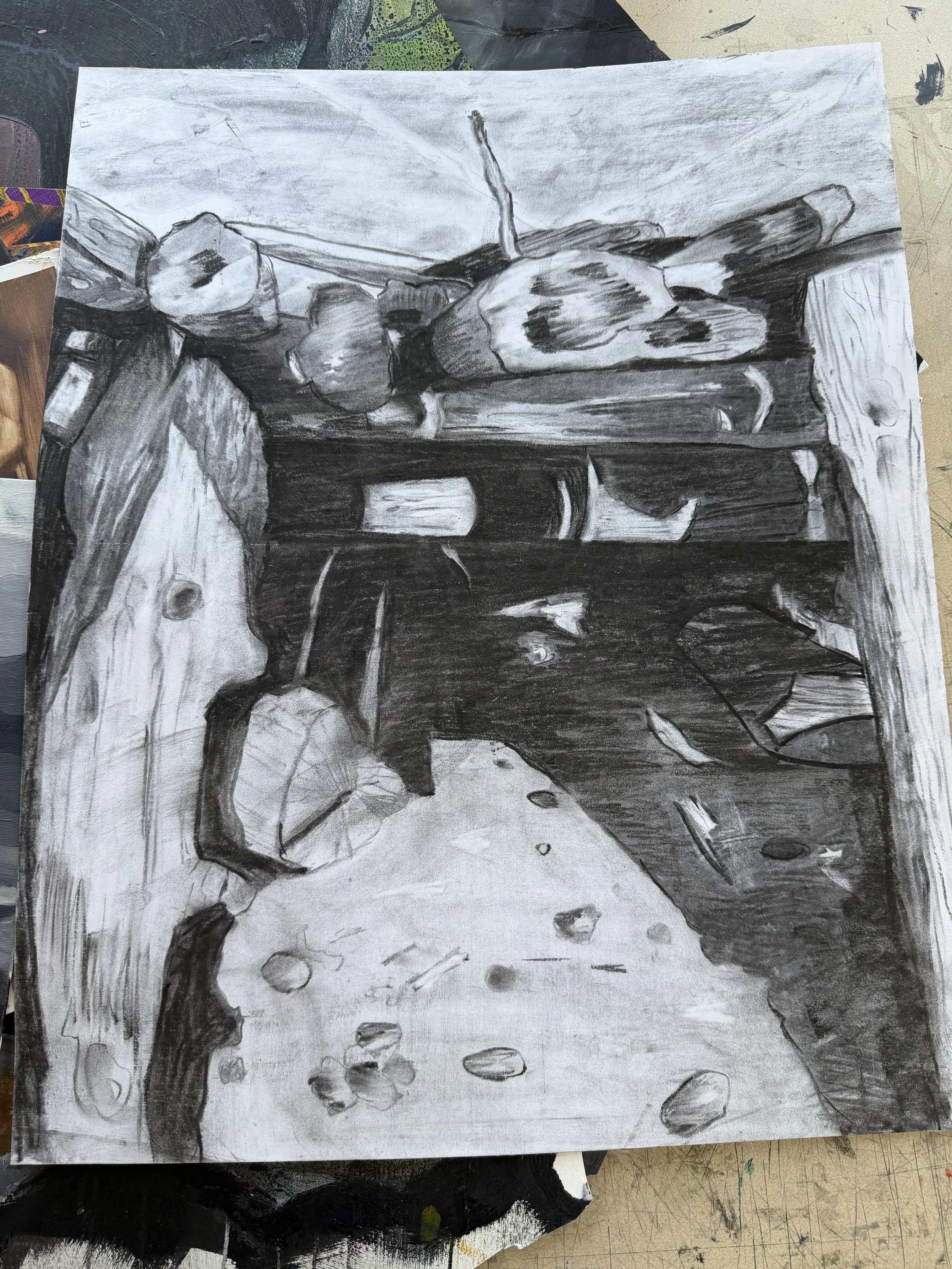
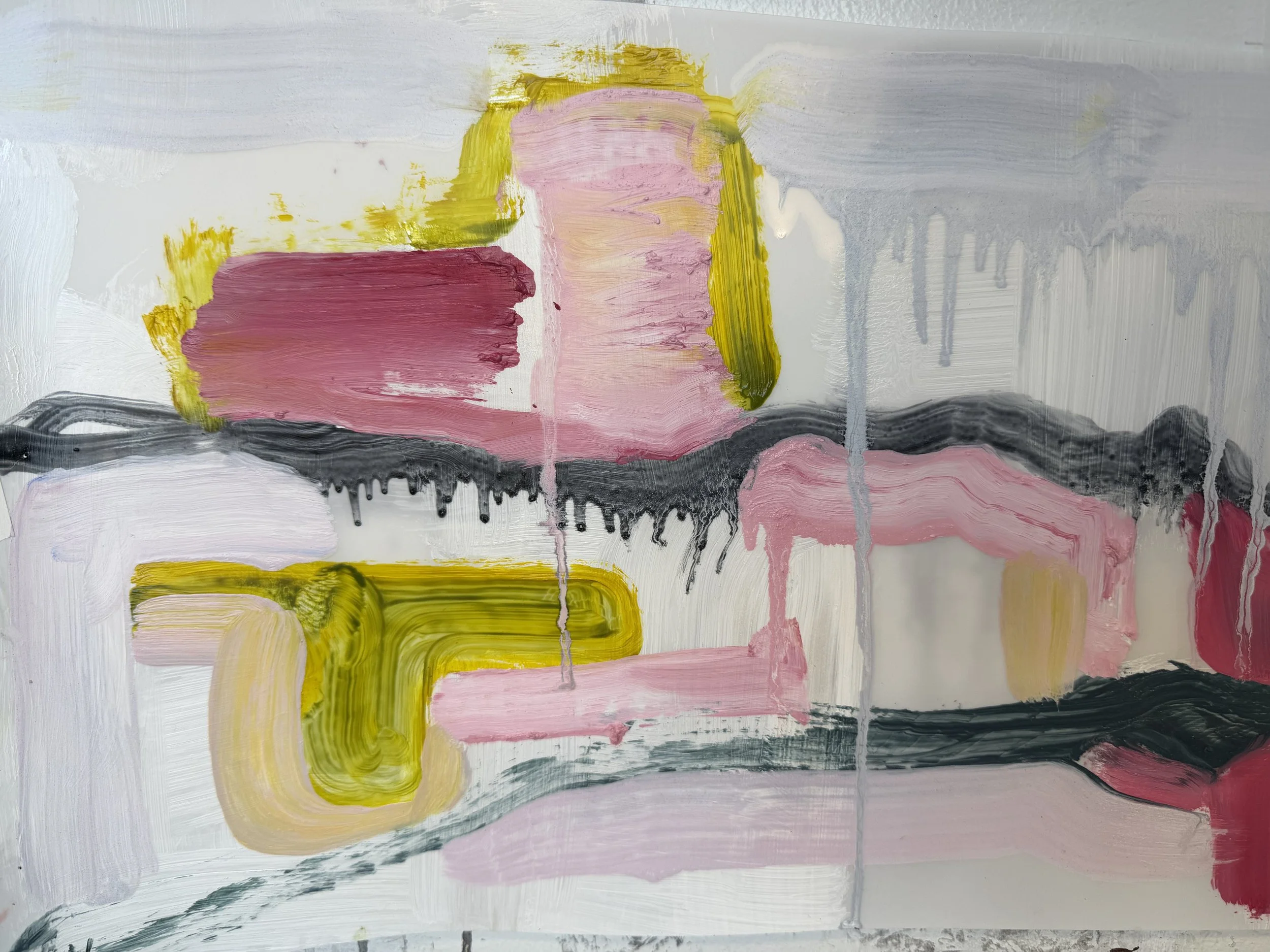
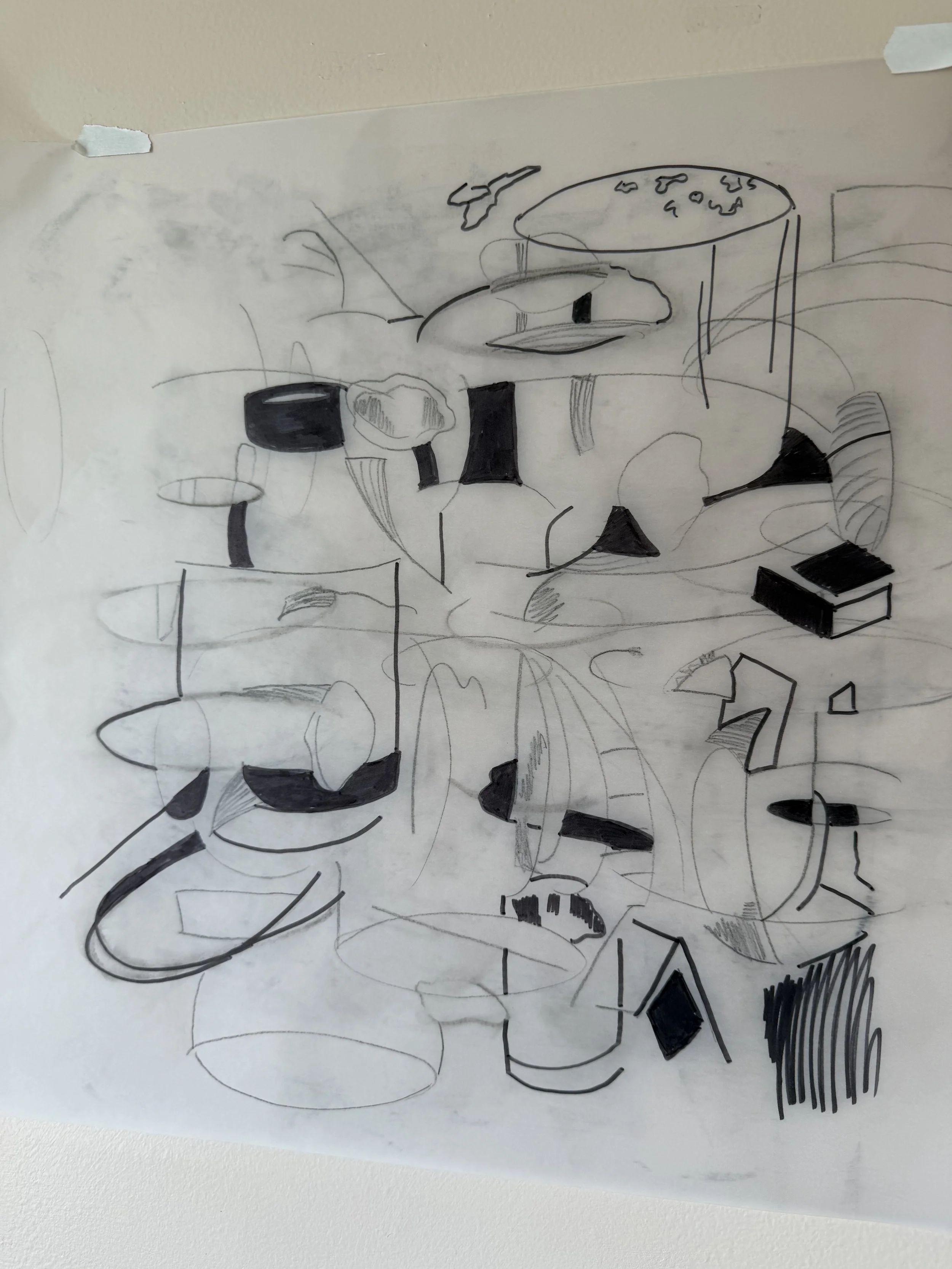
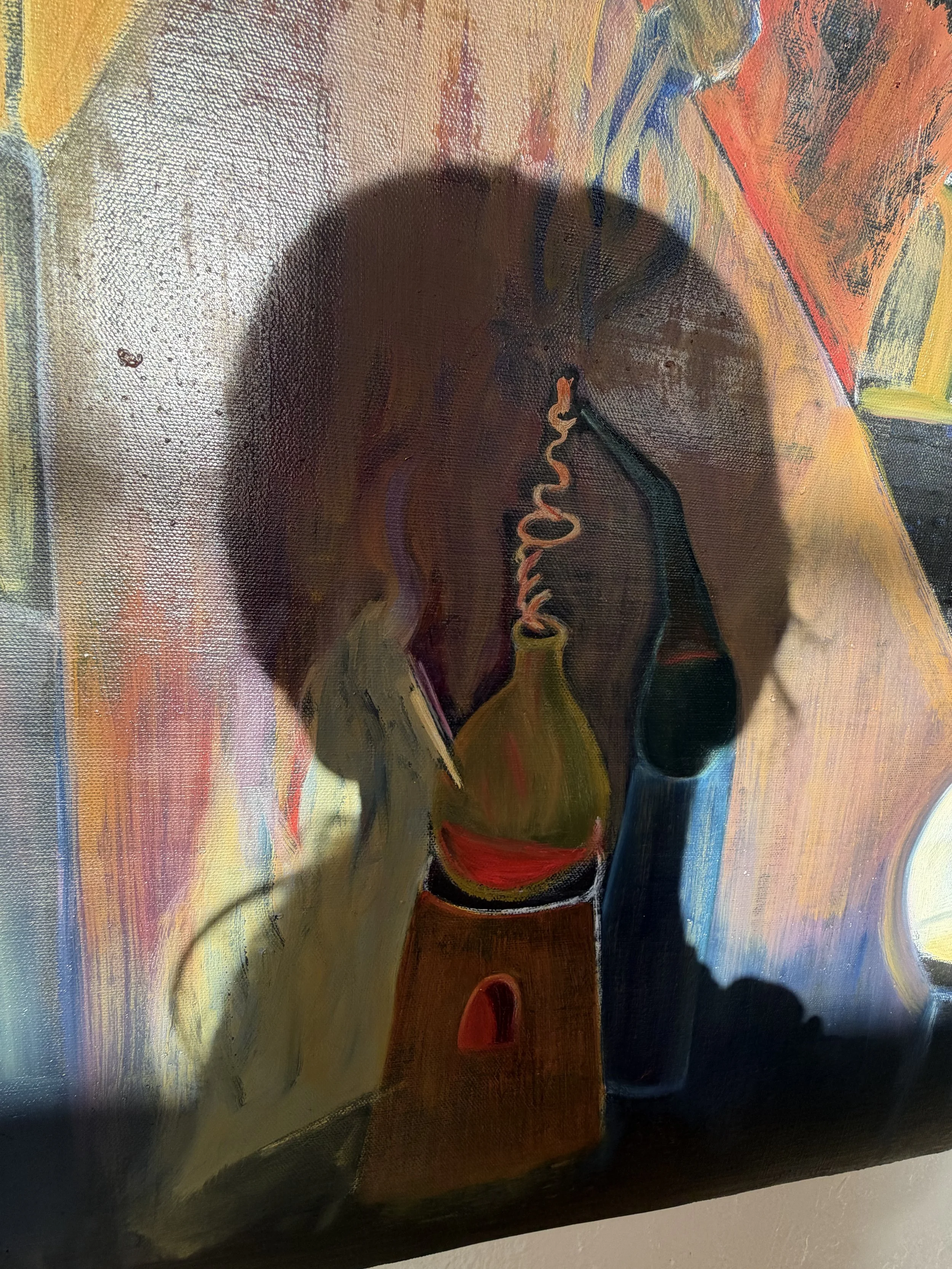
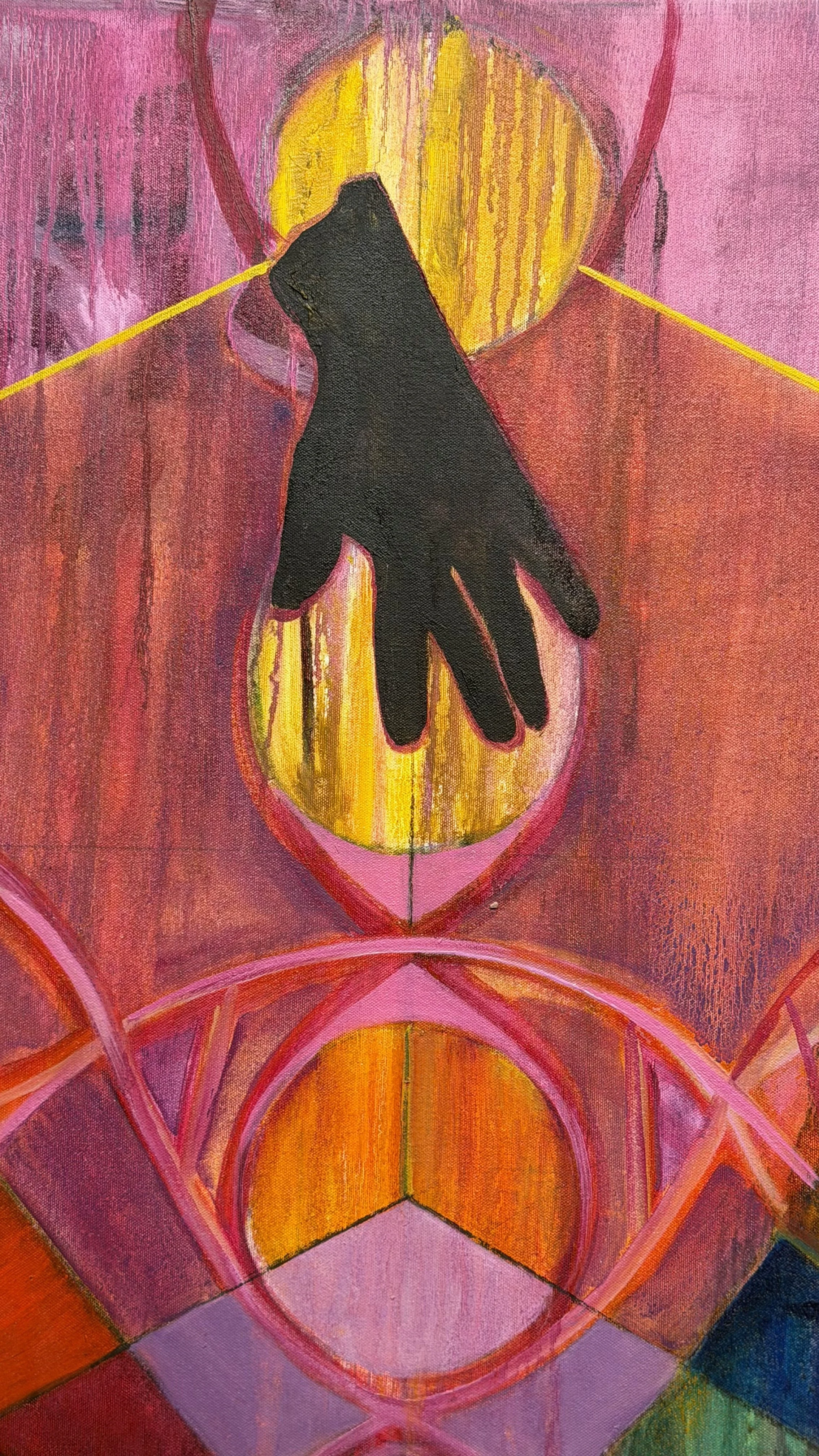
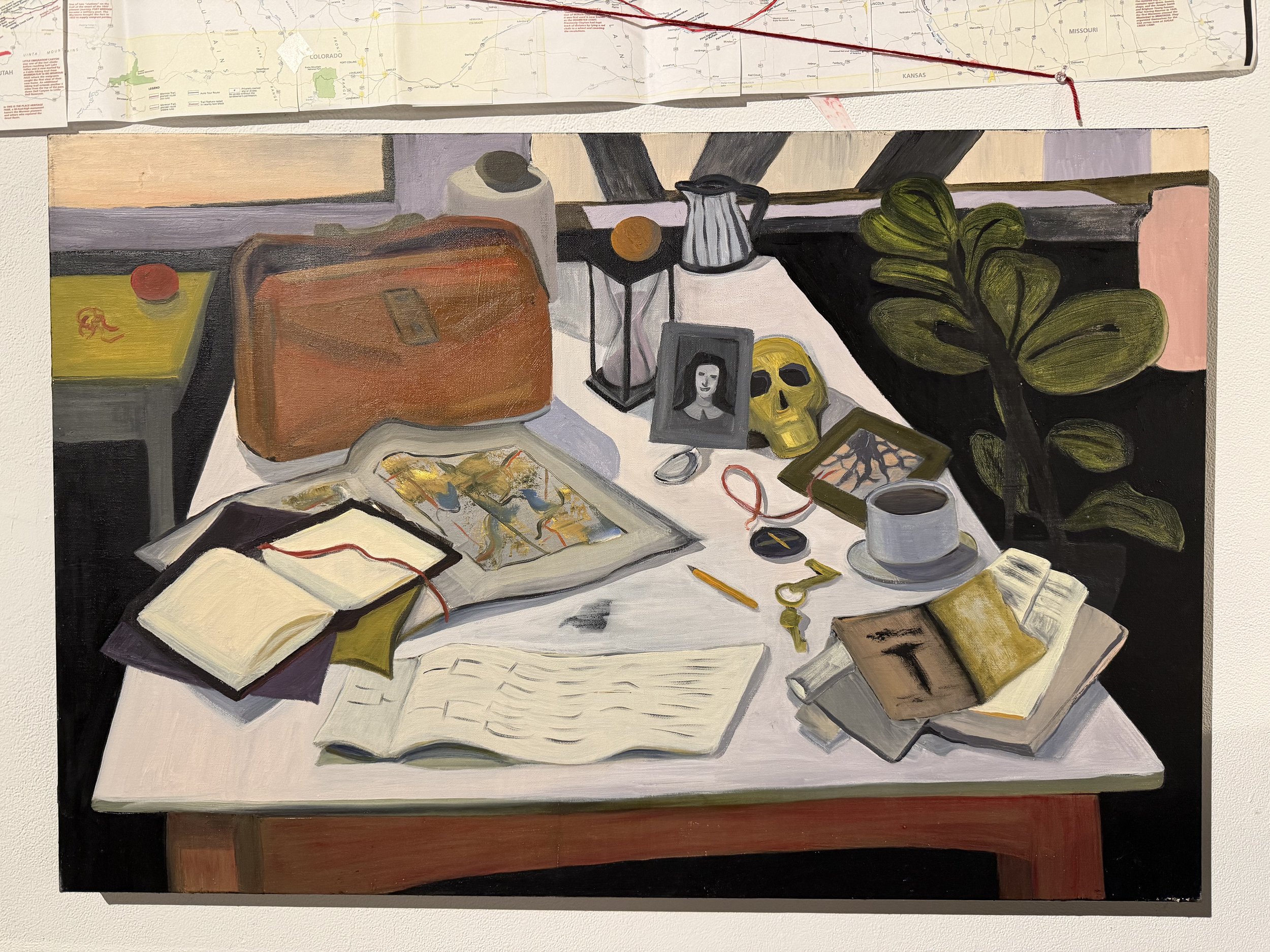
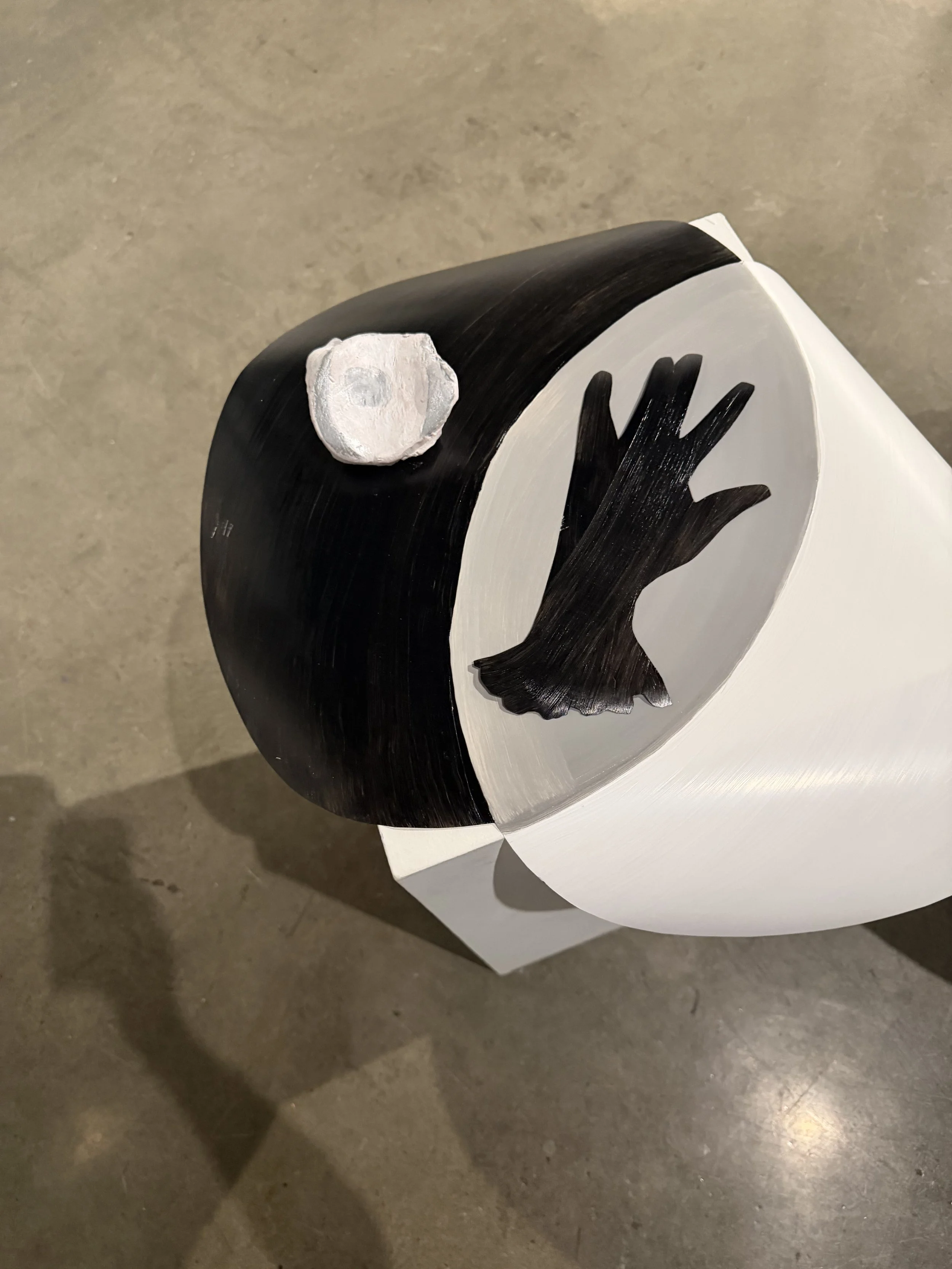
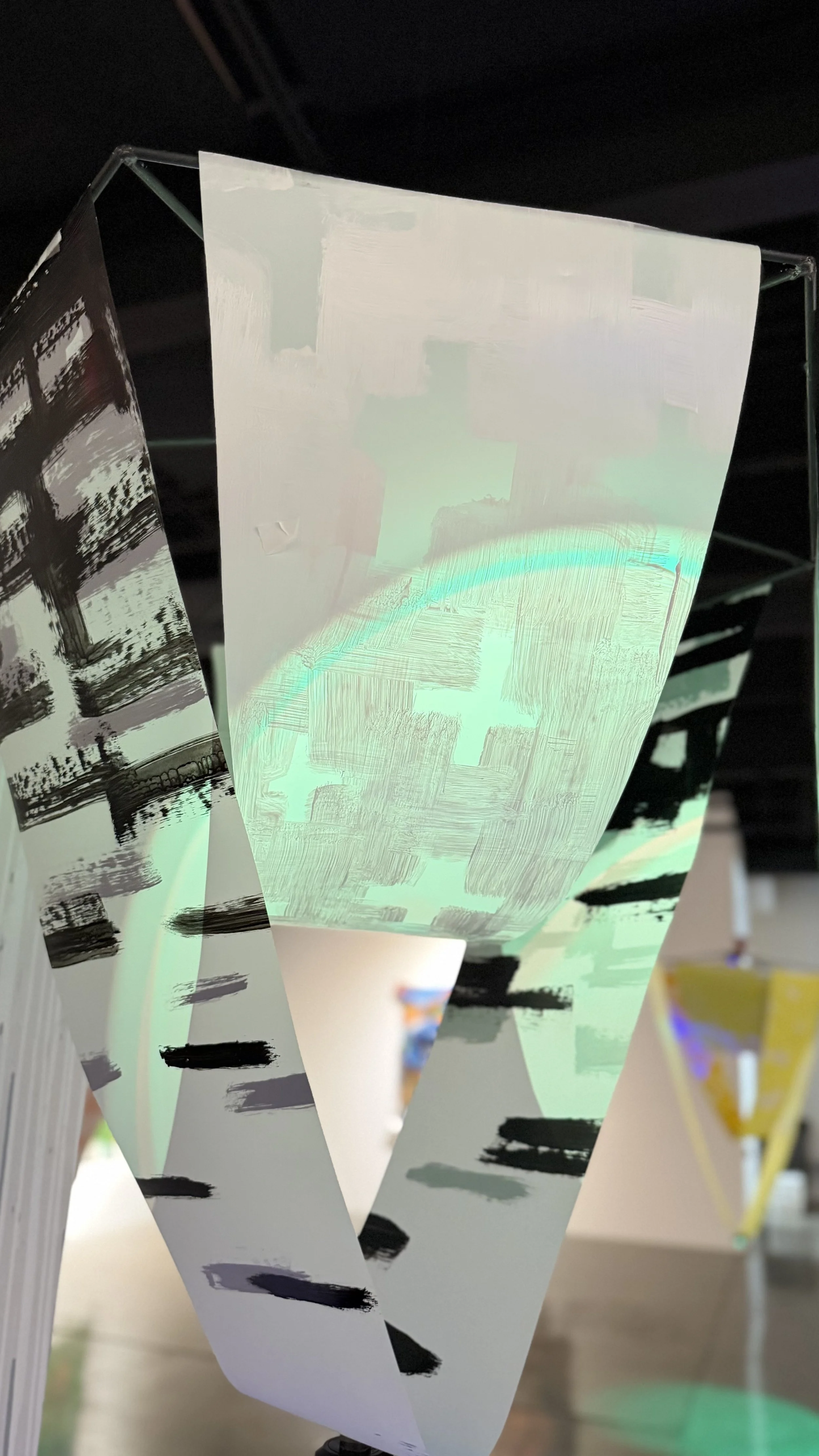
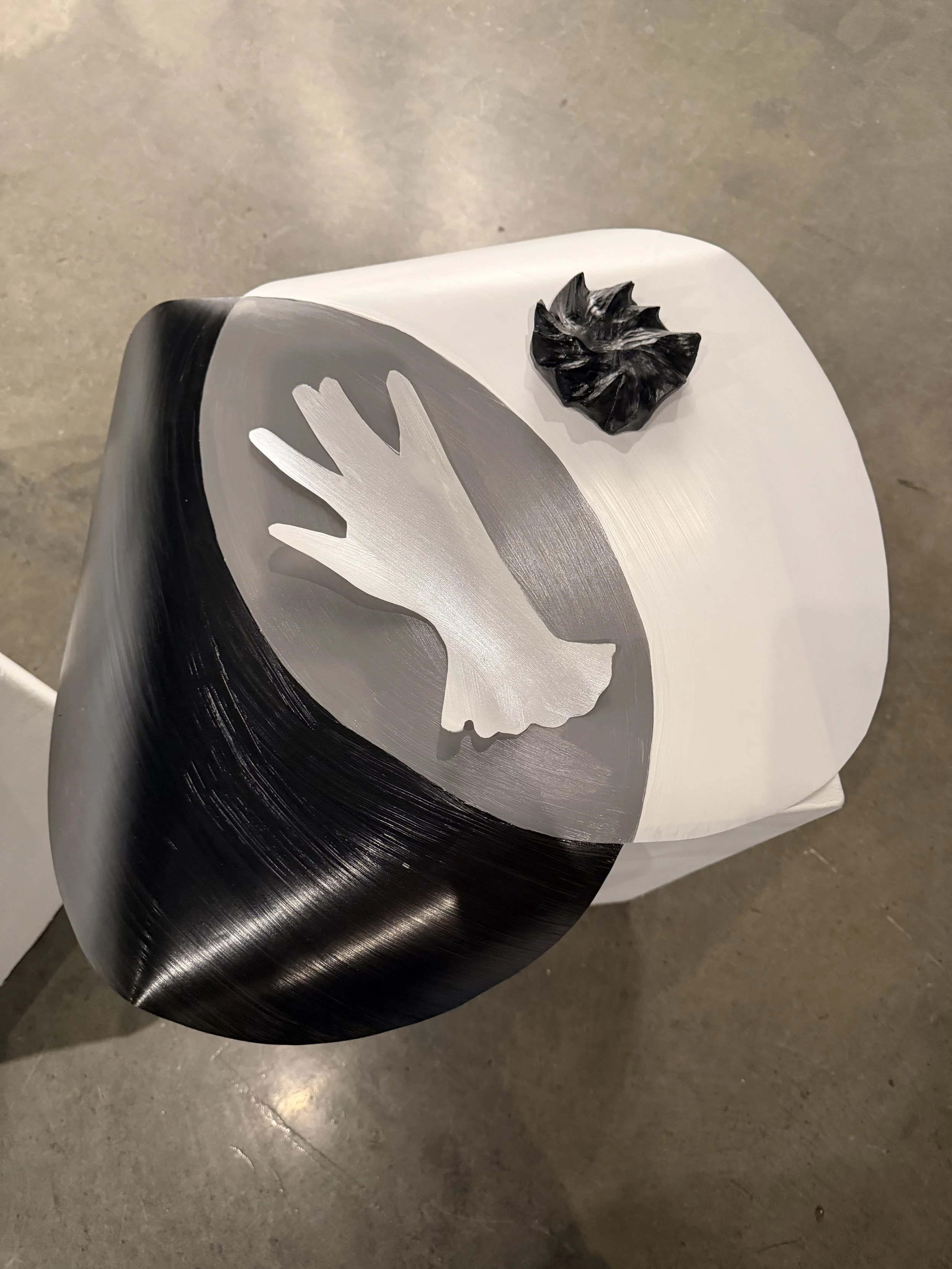
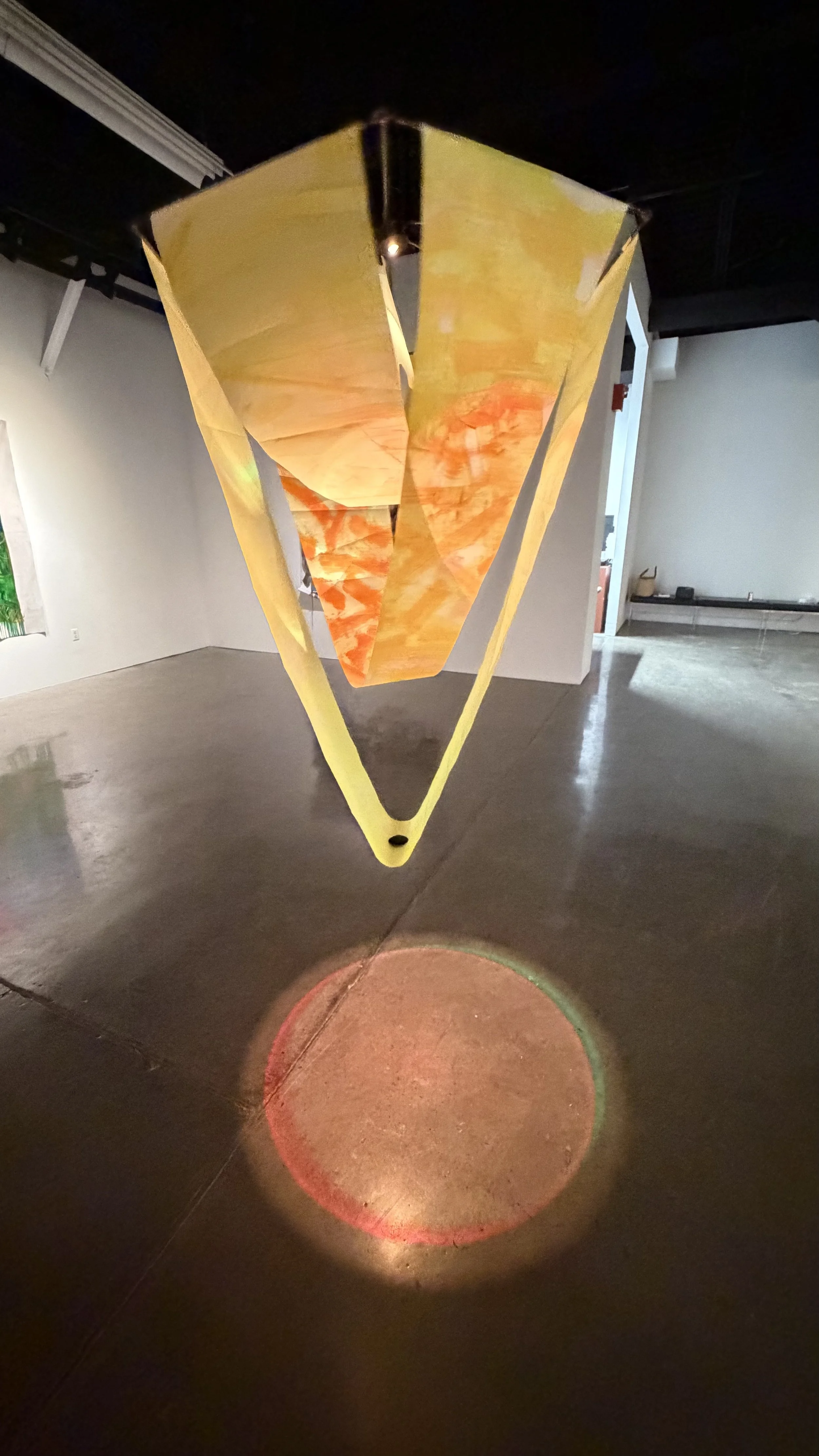
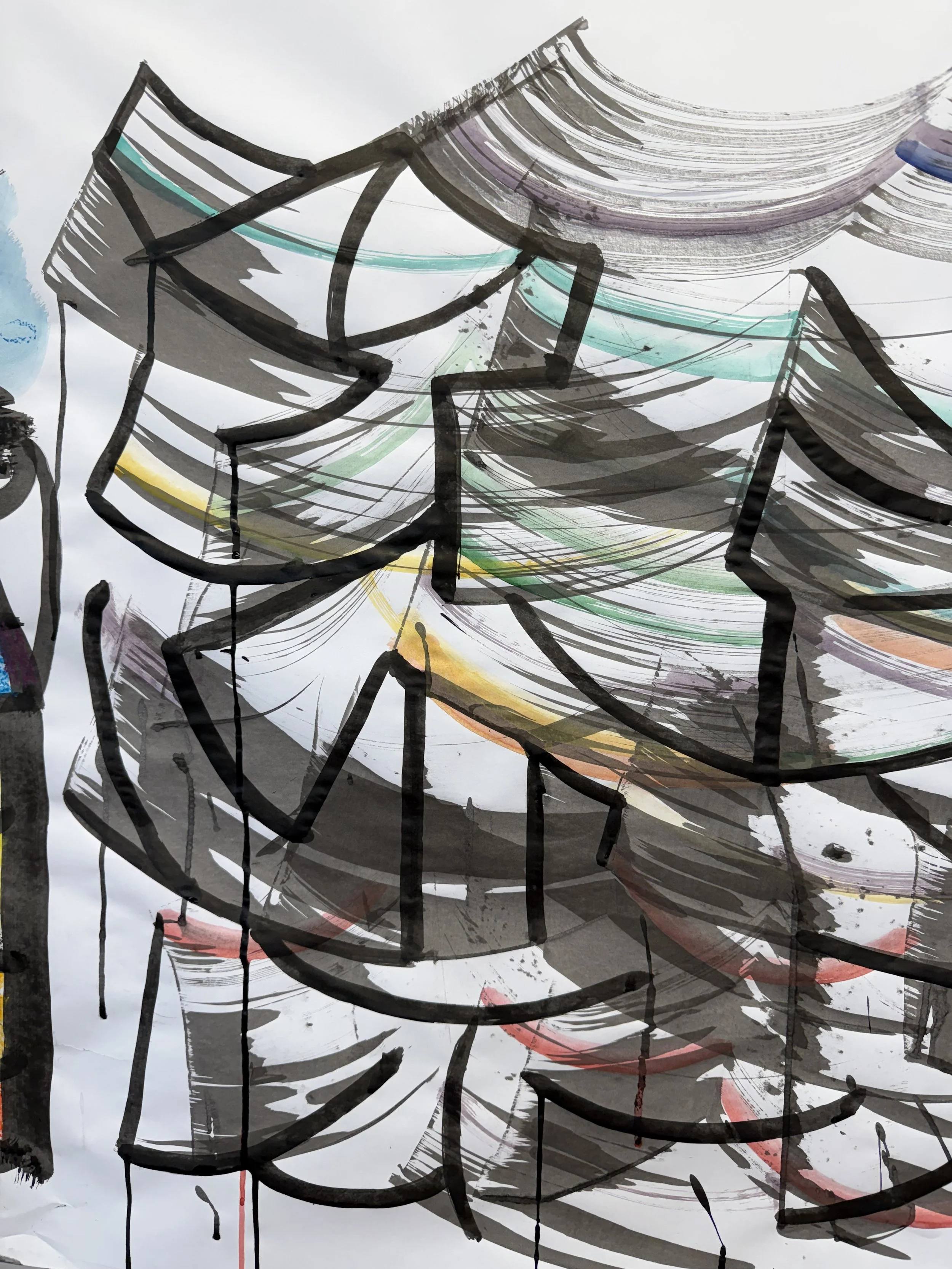
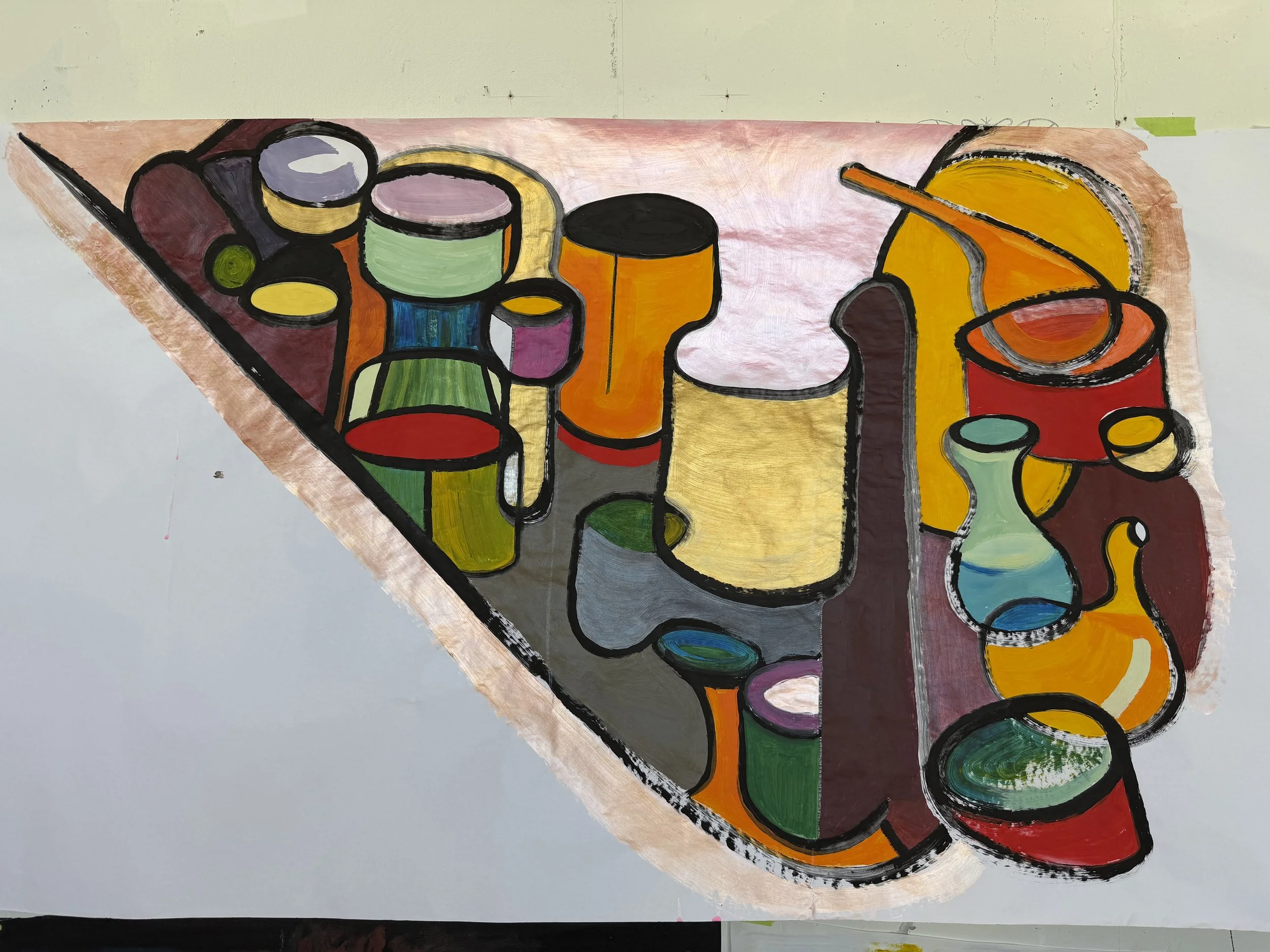
Images from Year One of the MFA: “Complexify to Simplify”
Lesson No. 2:
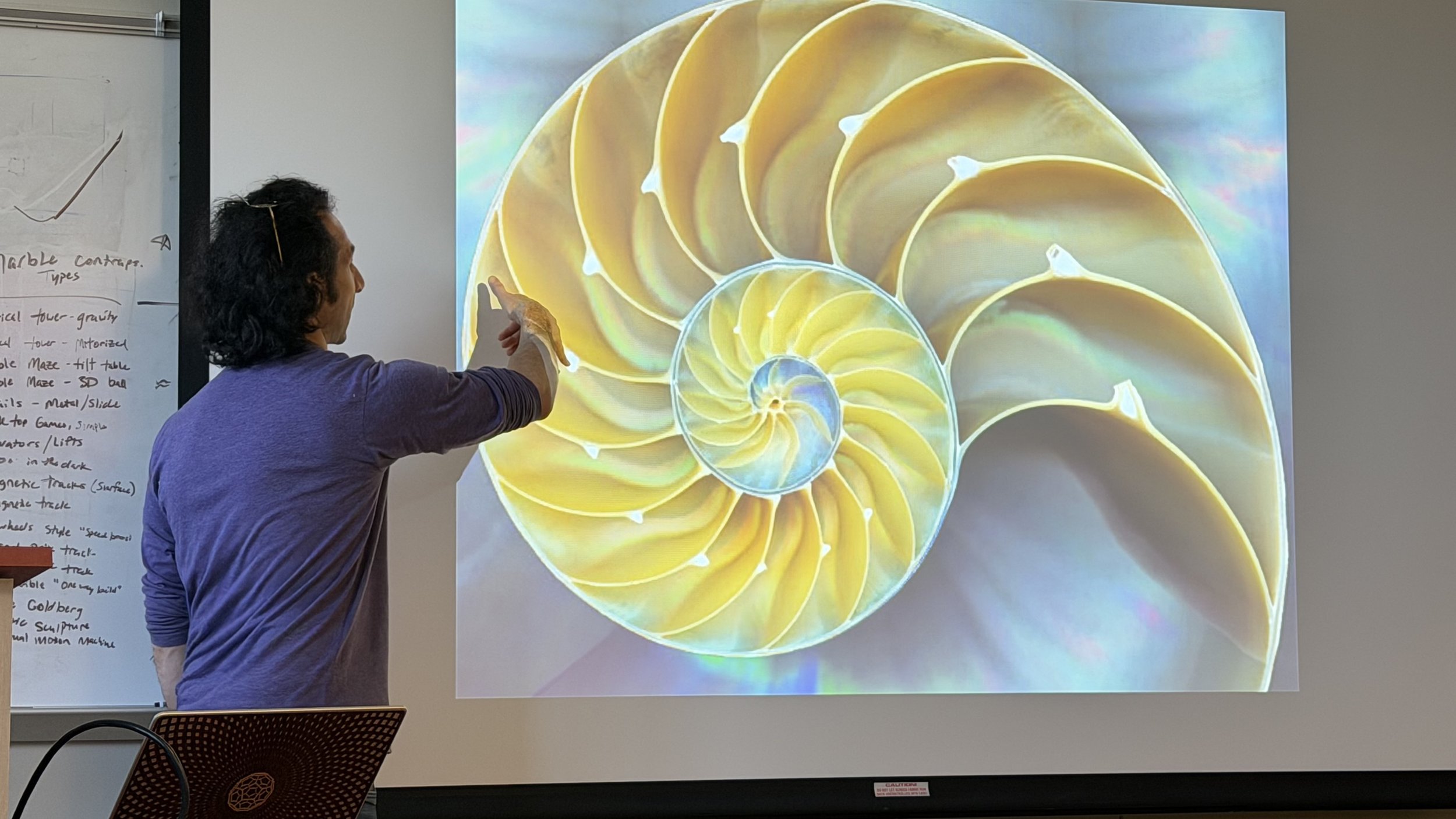
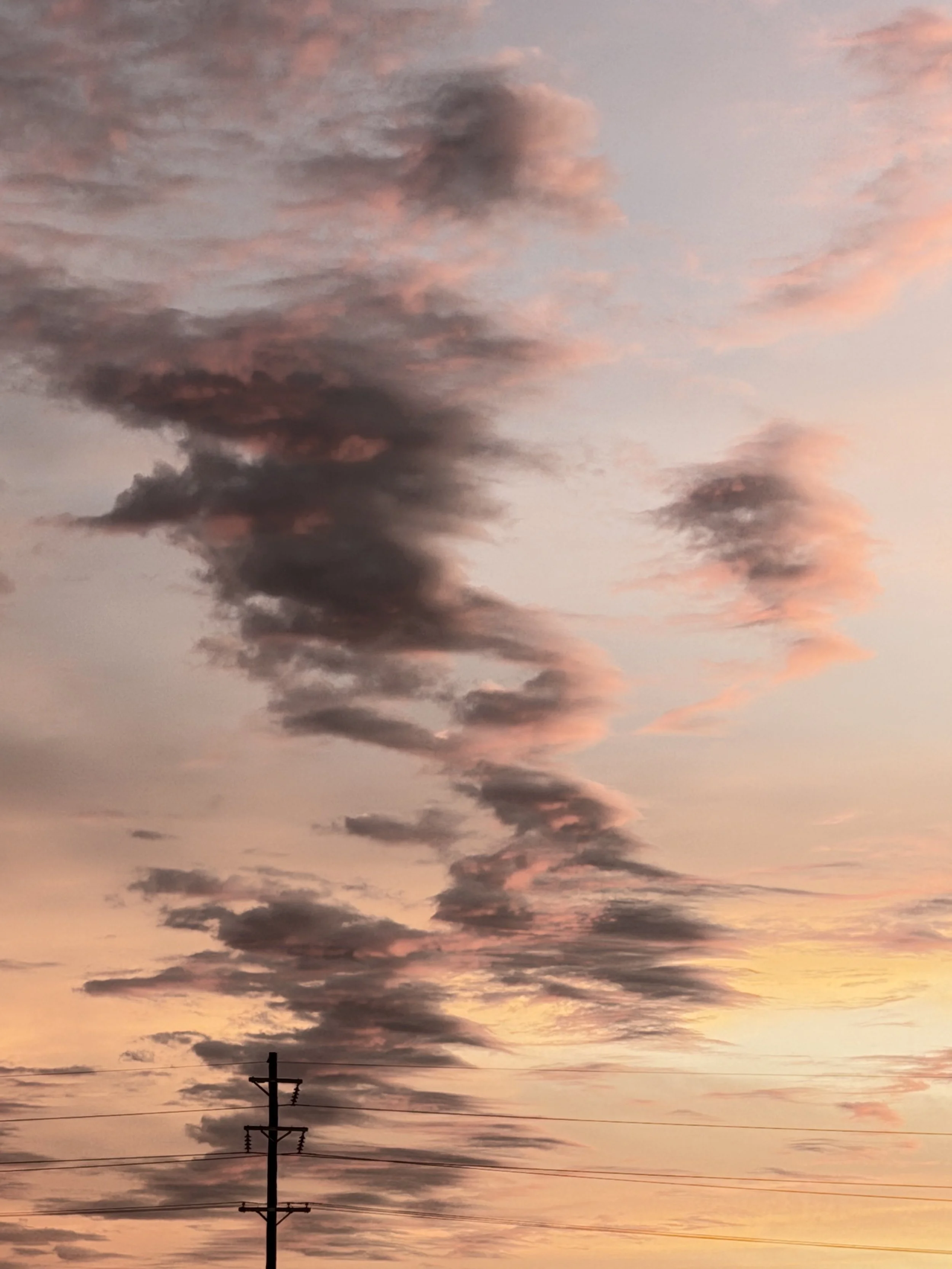
Nature can teach you (almost) everything
you need know.
The artfulness of life is your unique interpretation.
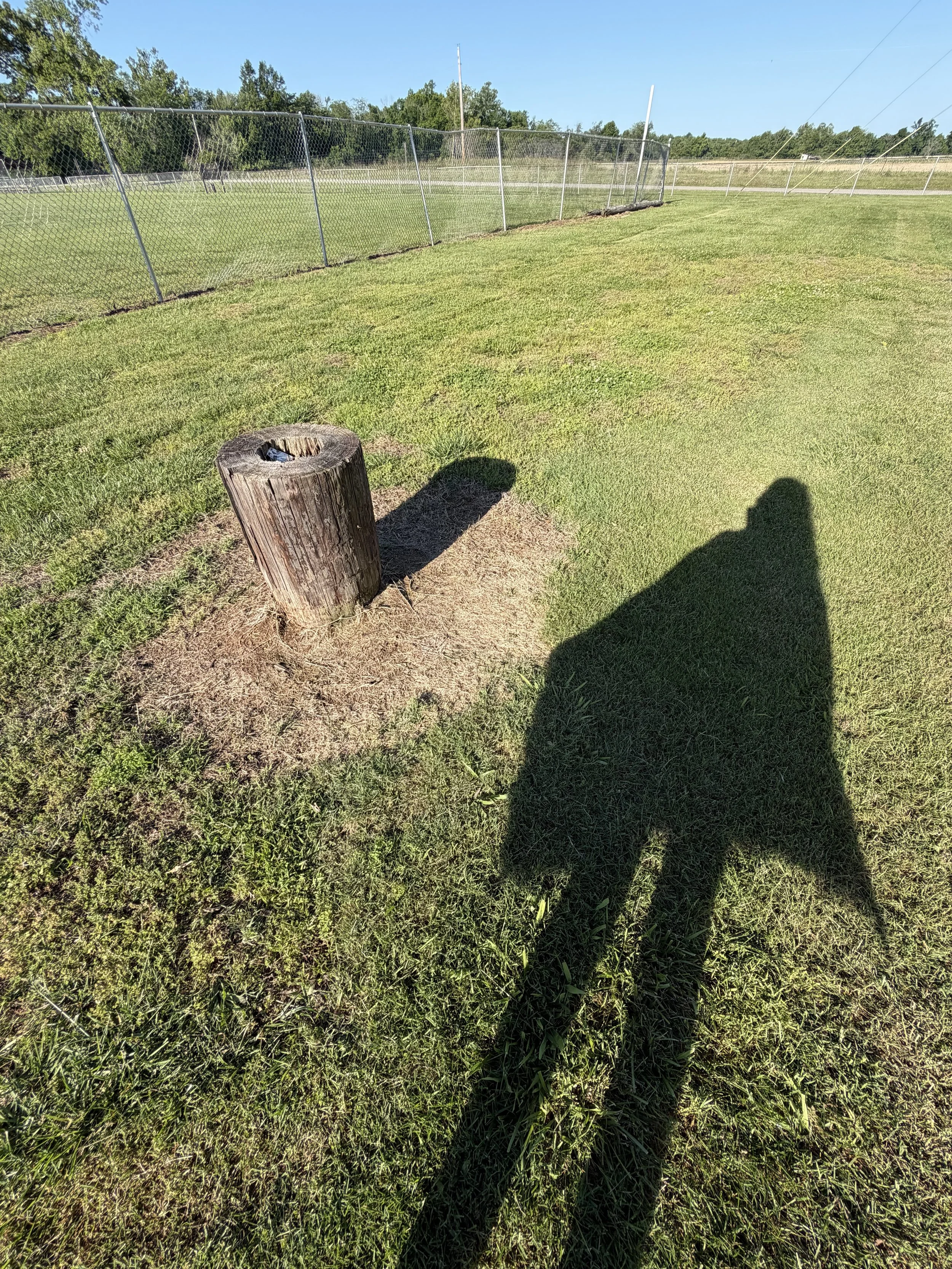
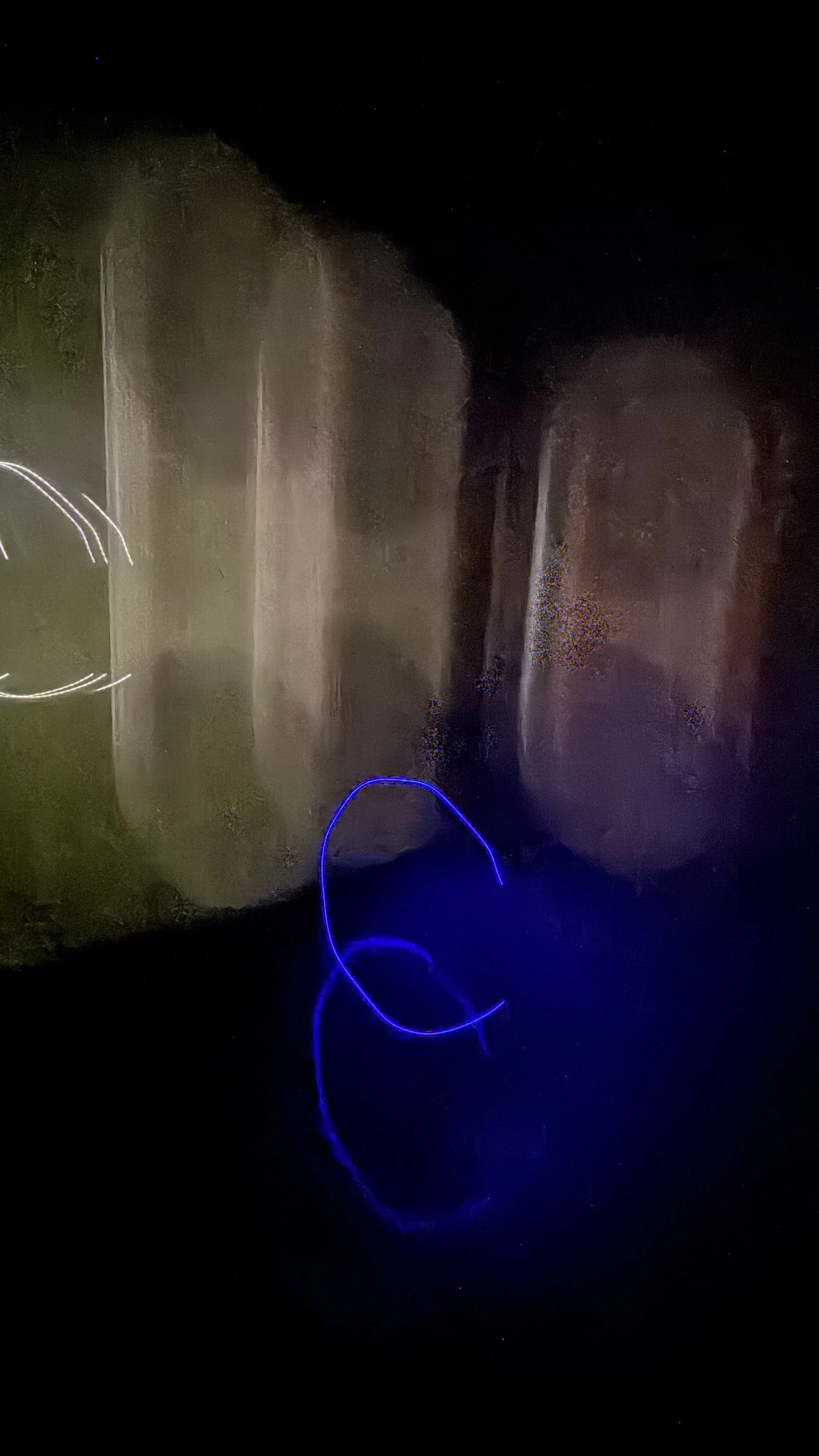
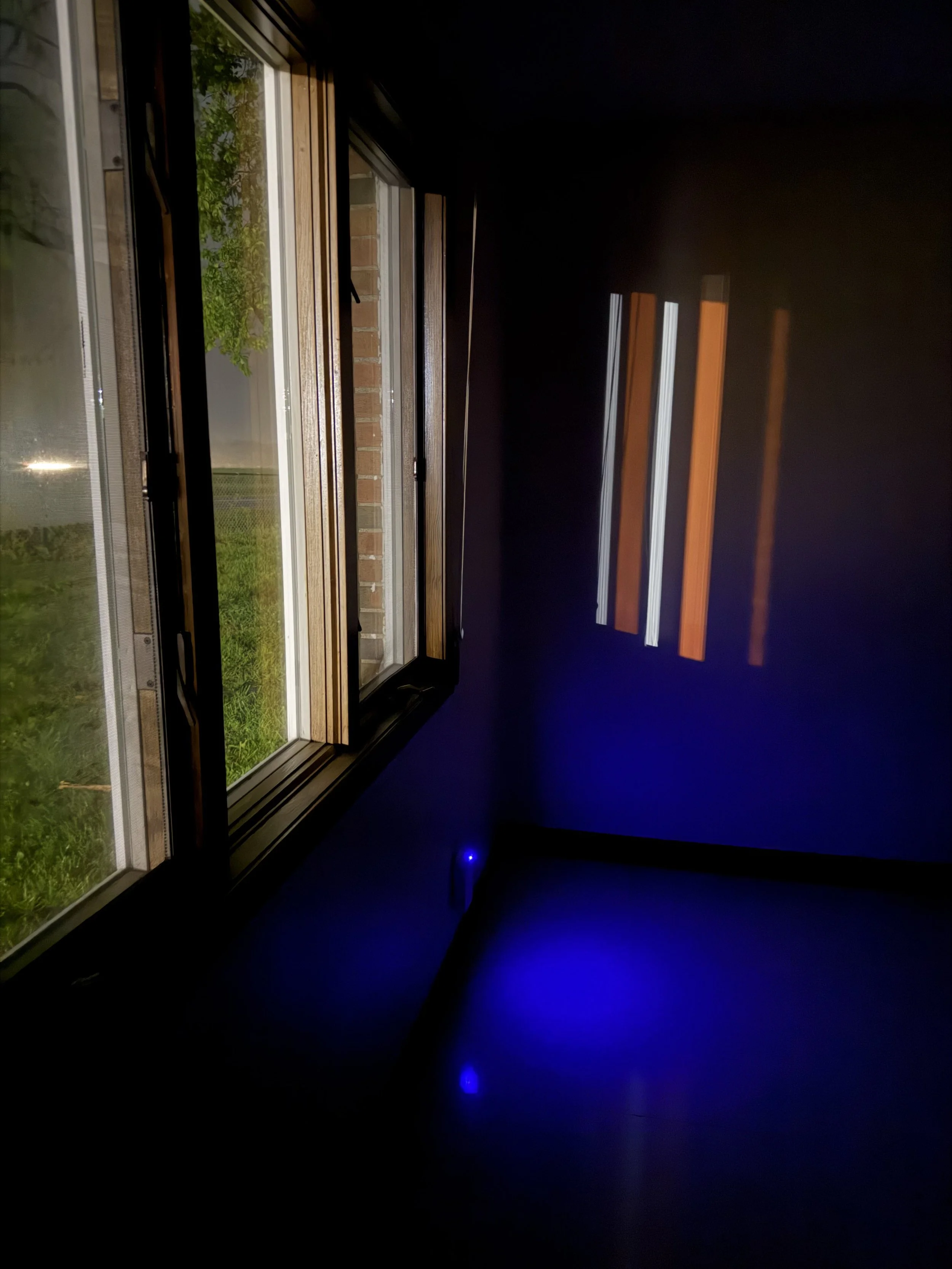
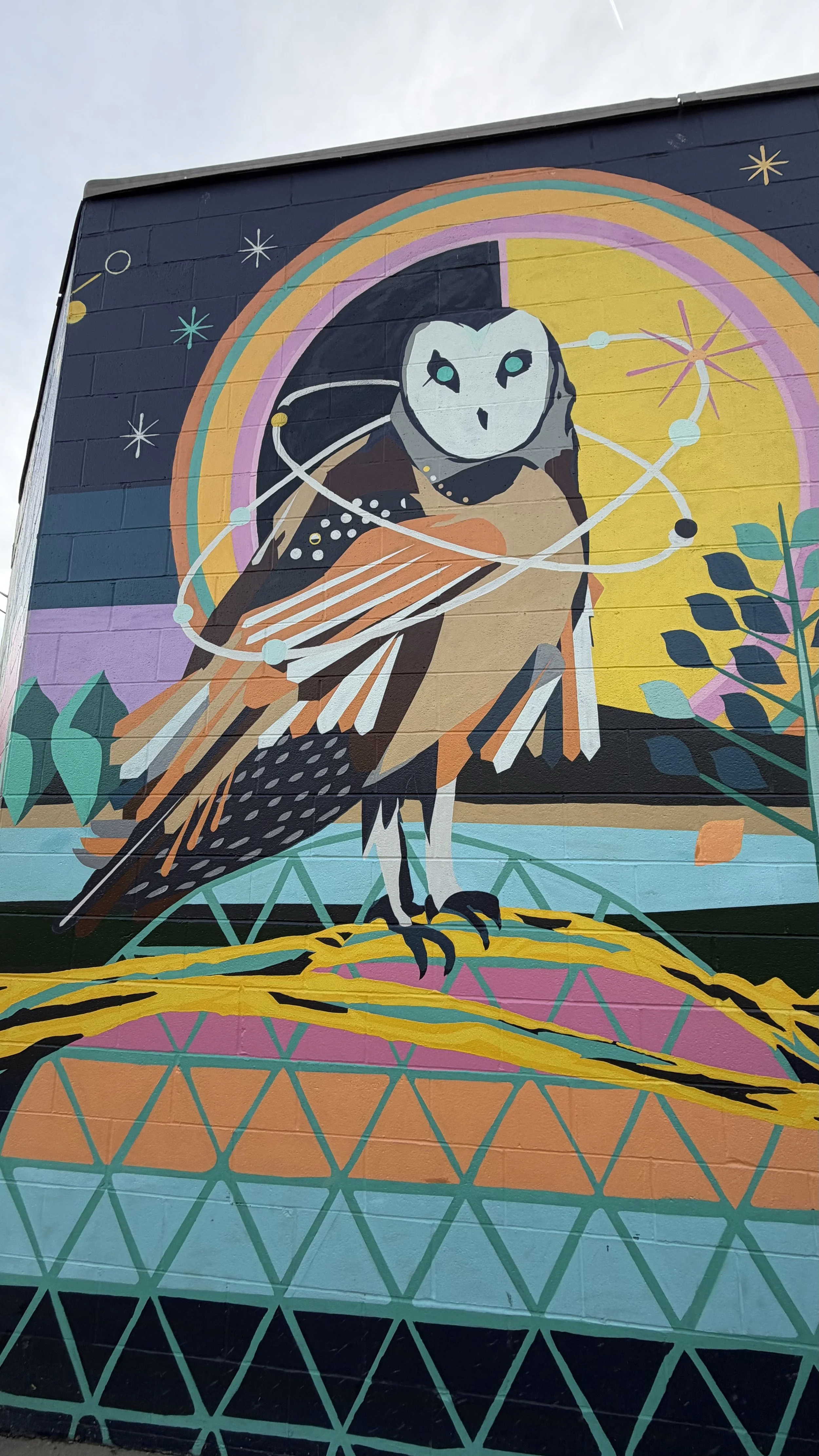
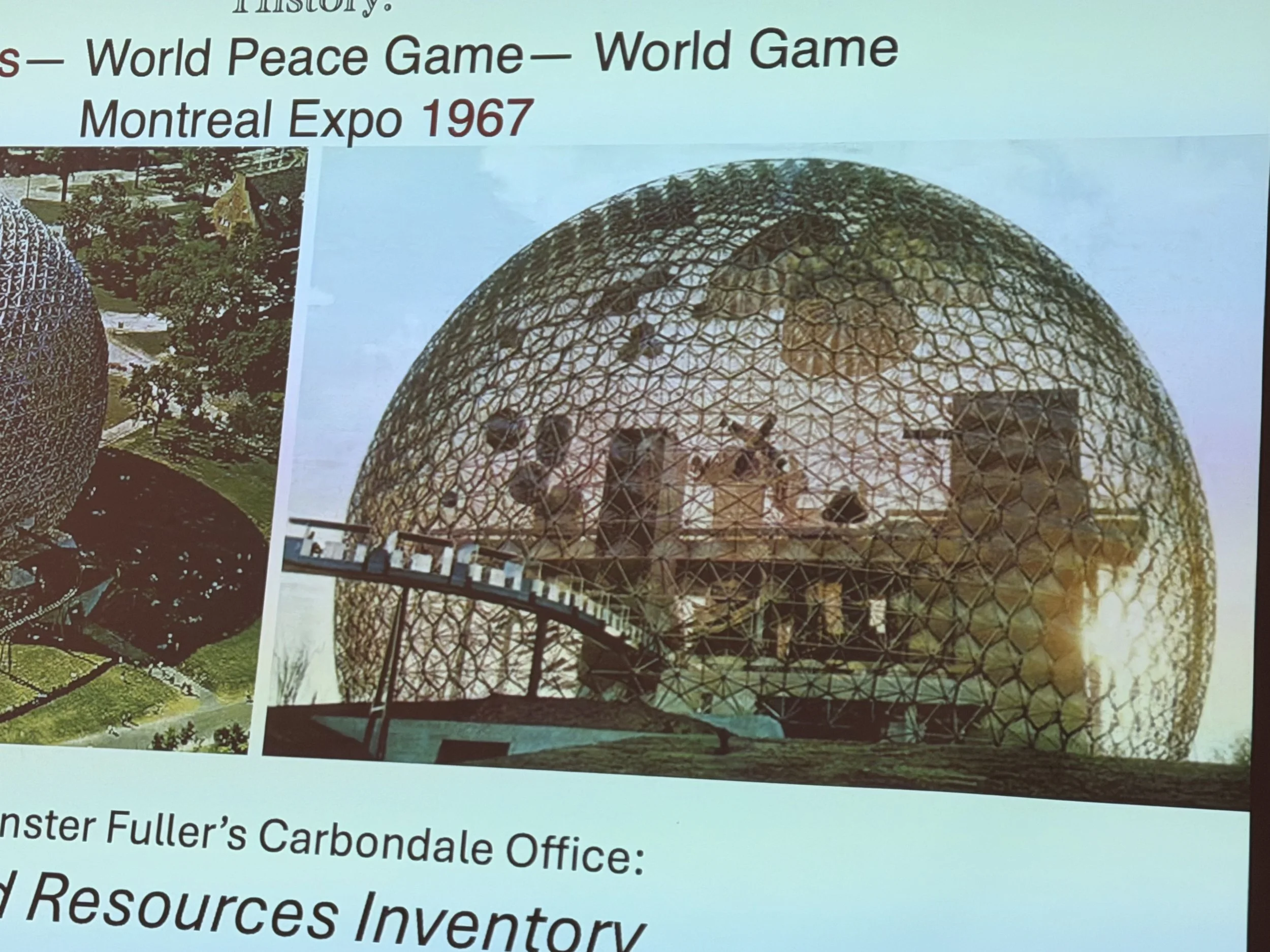
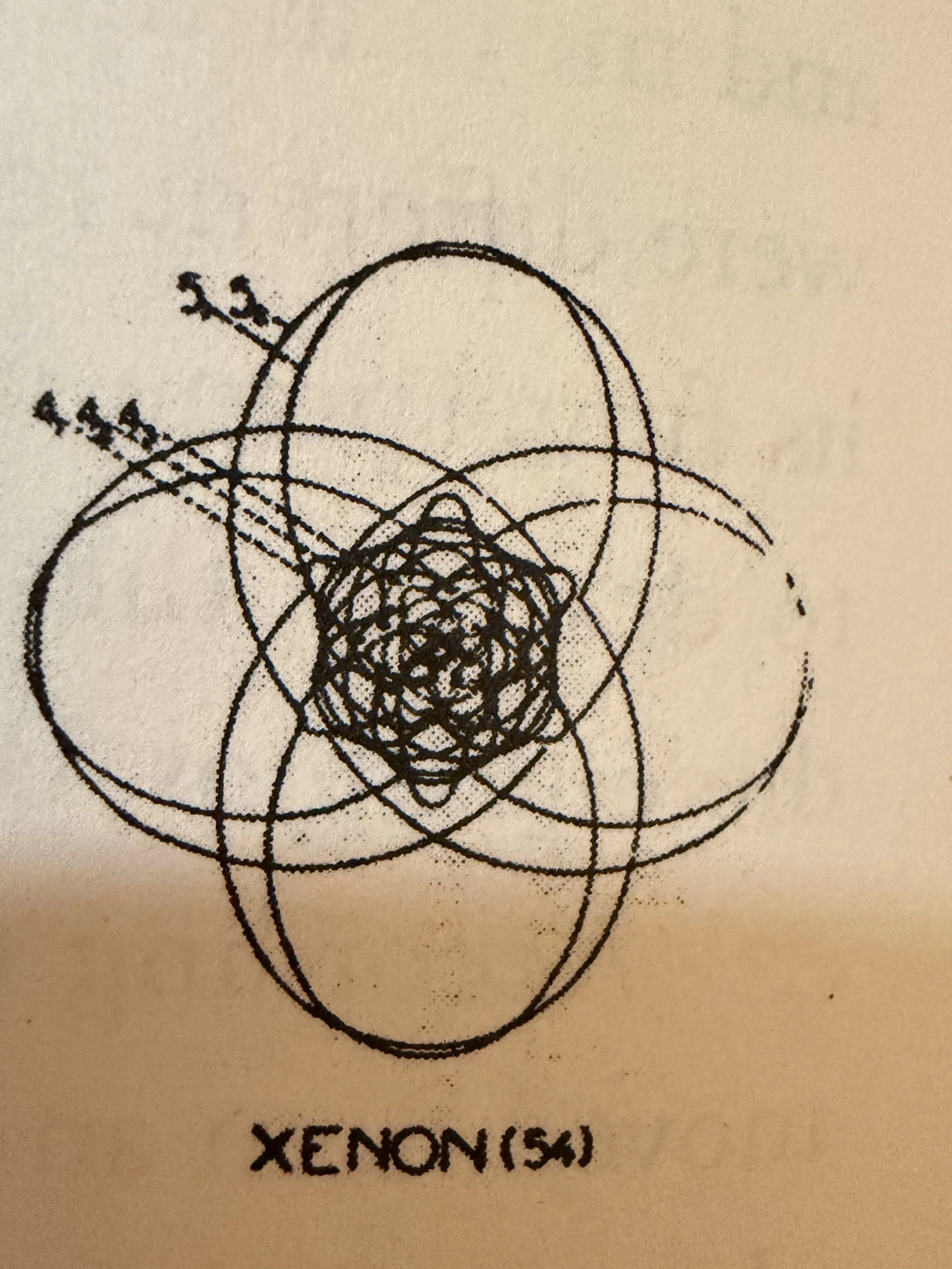
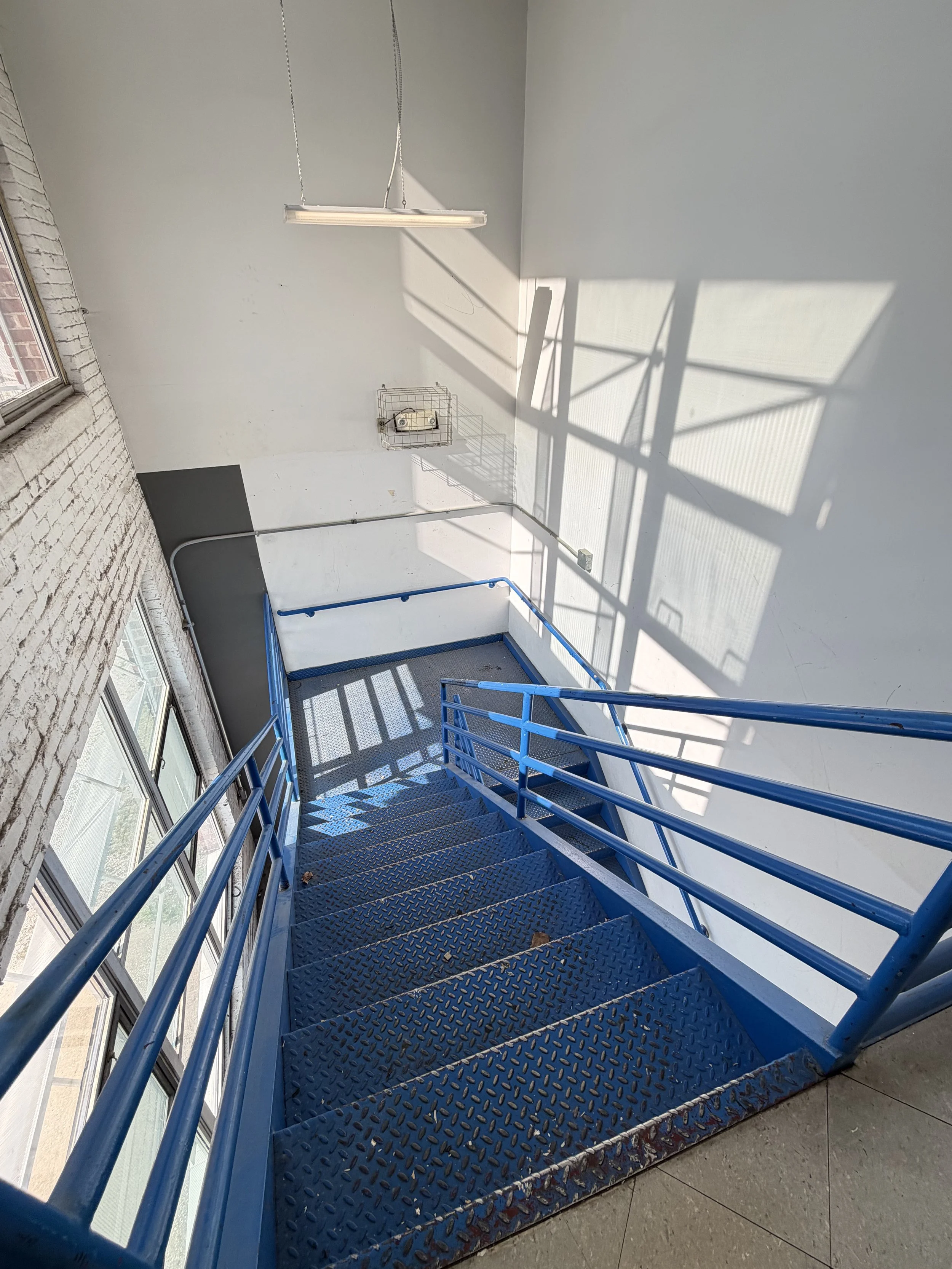
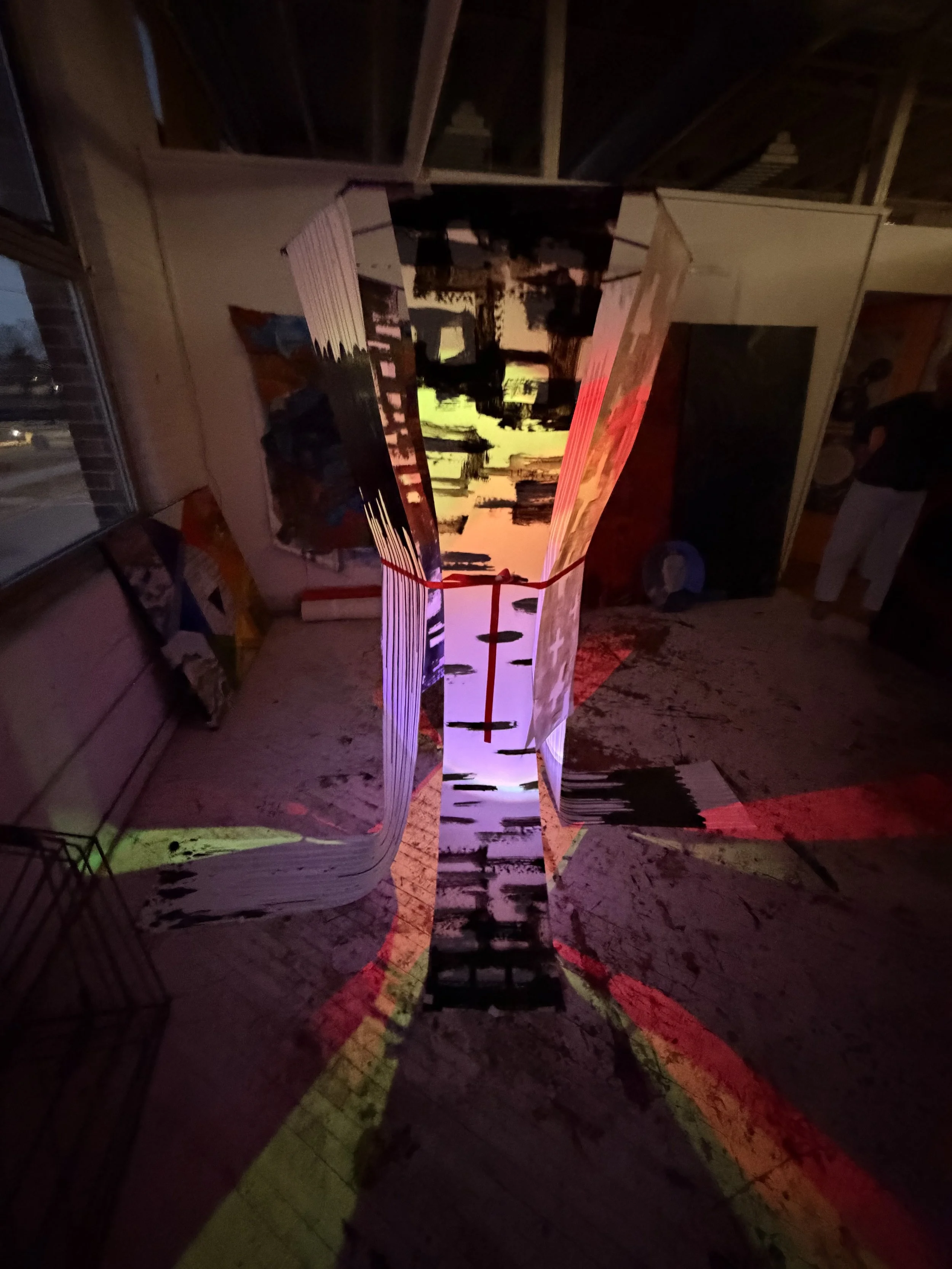
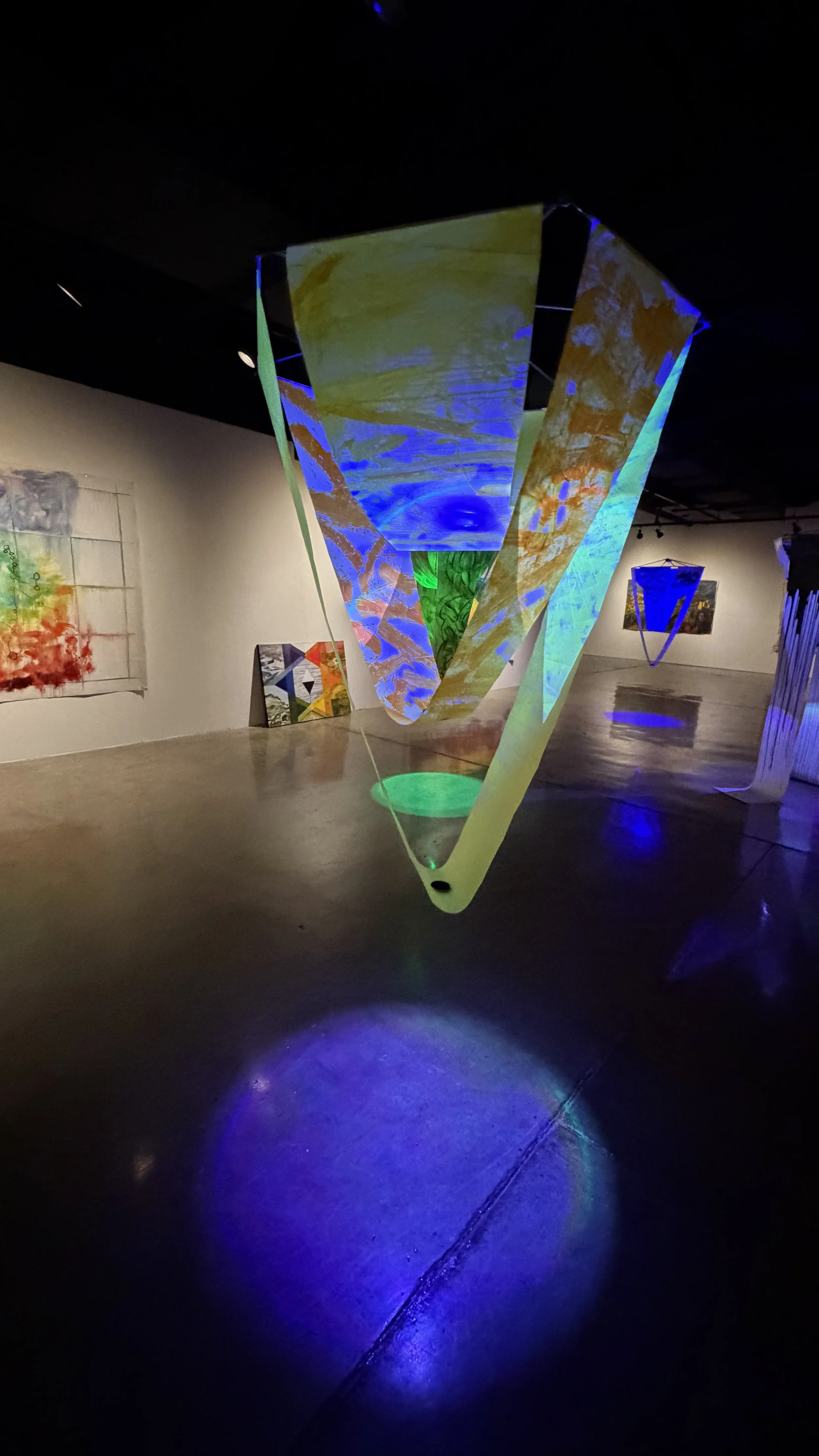
I got very into looking at light, color, elemental shape and the concepts of “The Elements.”
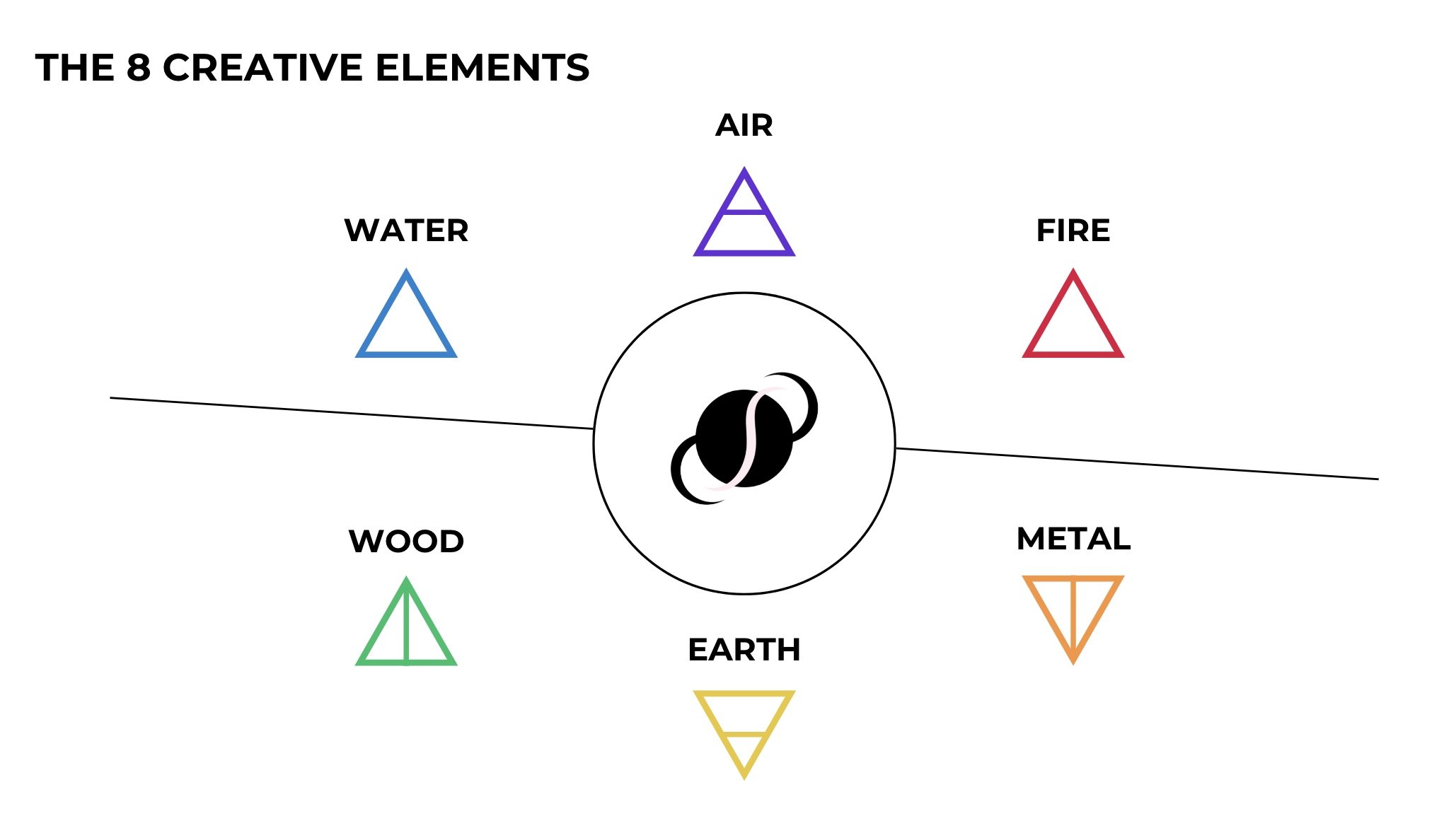
I felt like Plato’s four elements of earth, air, fire, water, were like my ancestors - the building blocks that created me. So I somehow wanted to incorporate this into my final MFA show: the idea of the elements.
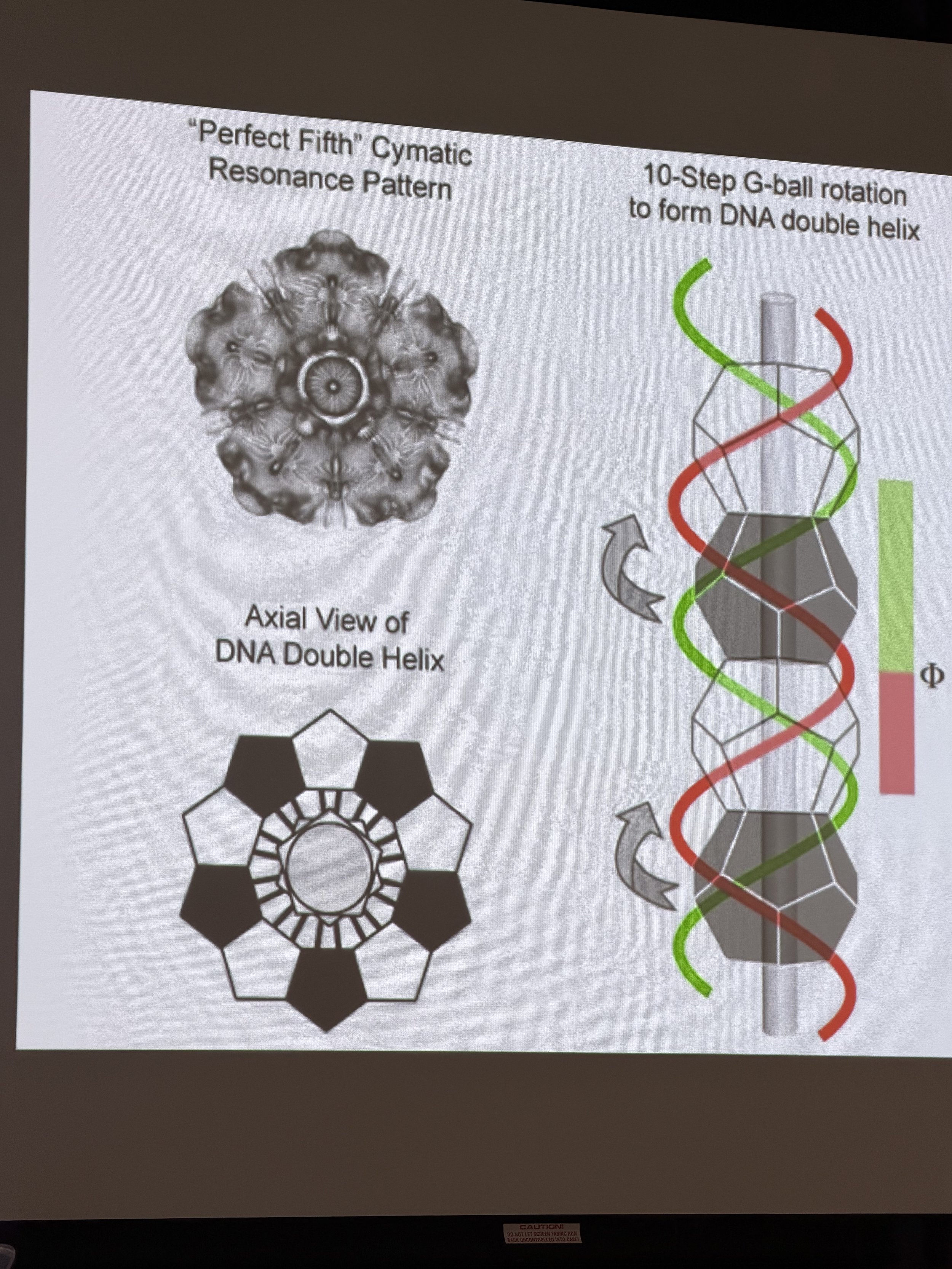
But as I looked around at this concept, I realized various cultural traditions have different ways of explaining it. The Chinese 5-pointed star is a process of change from one element to the next - and they include “metal” and “wood” as elemental forces.
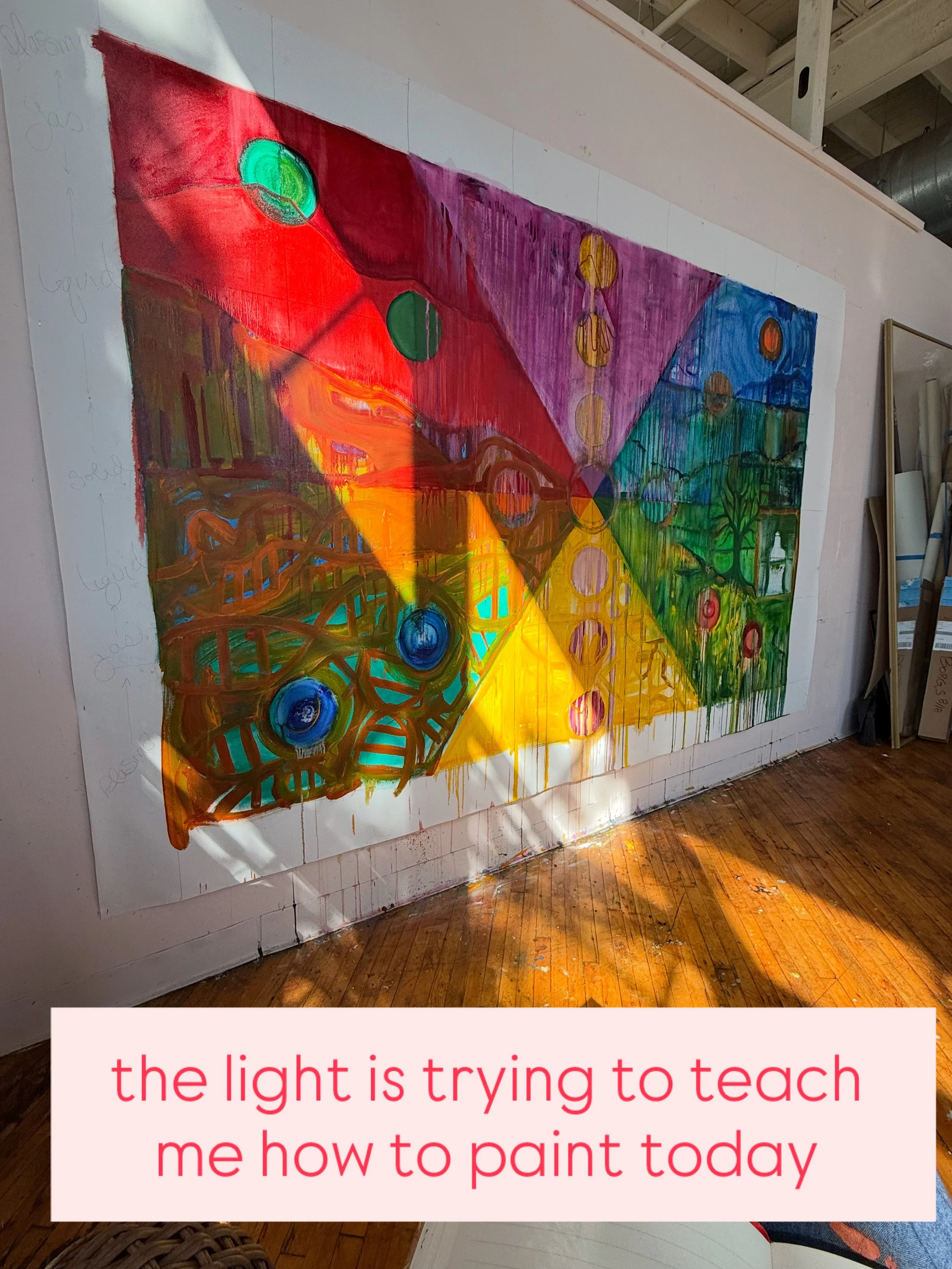
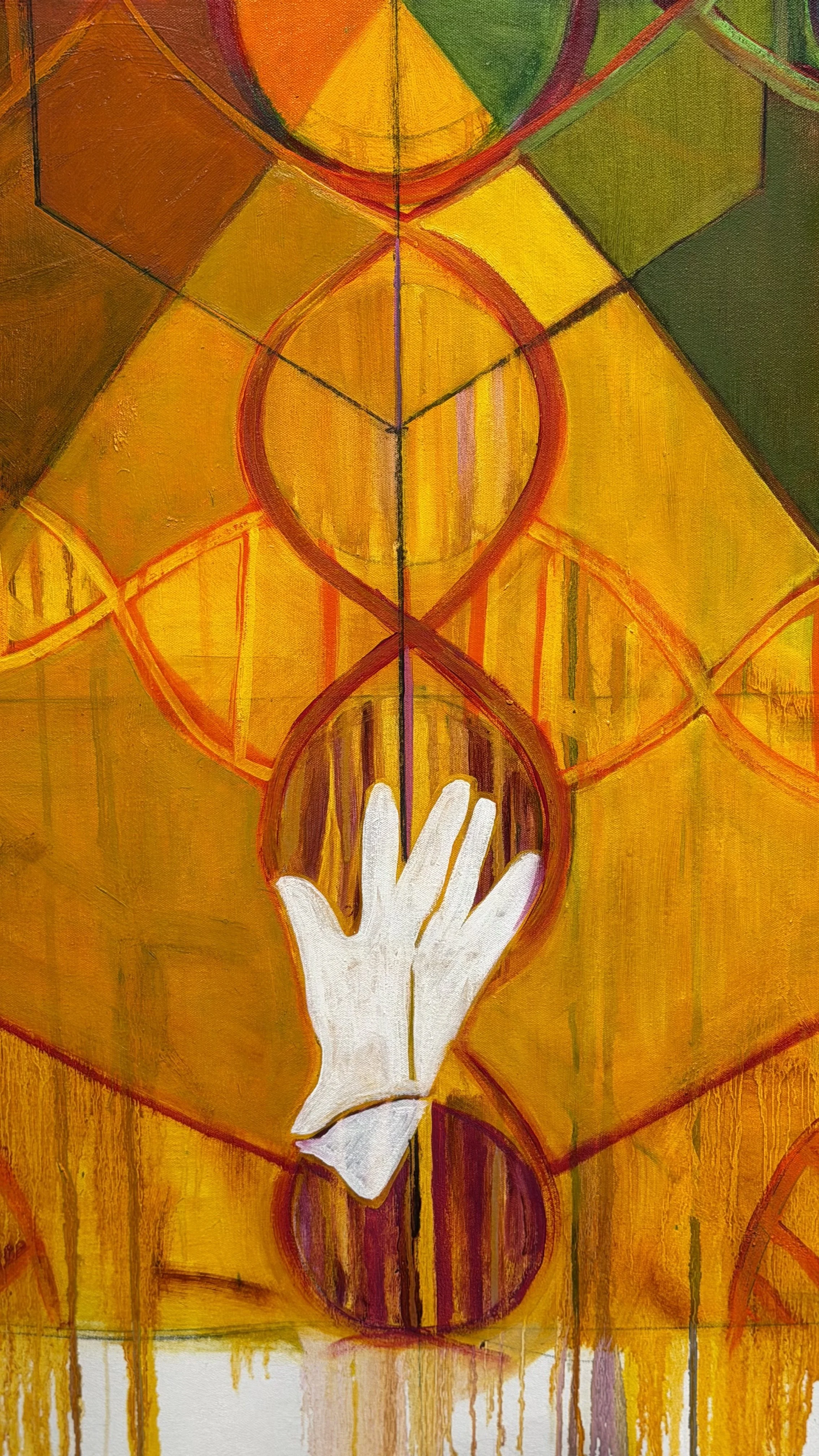
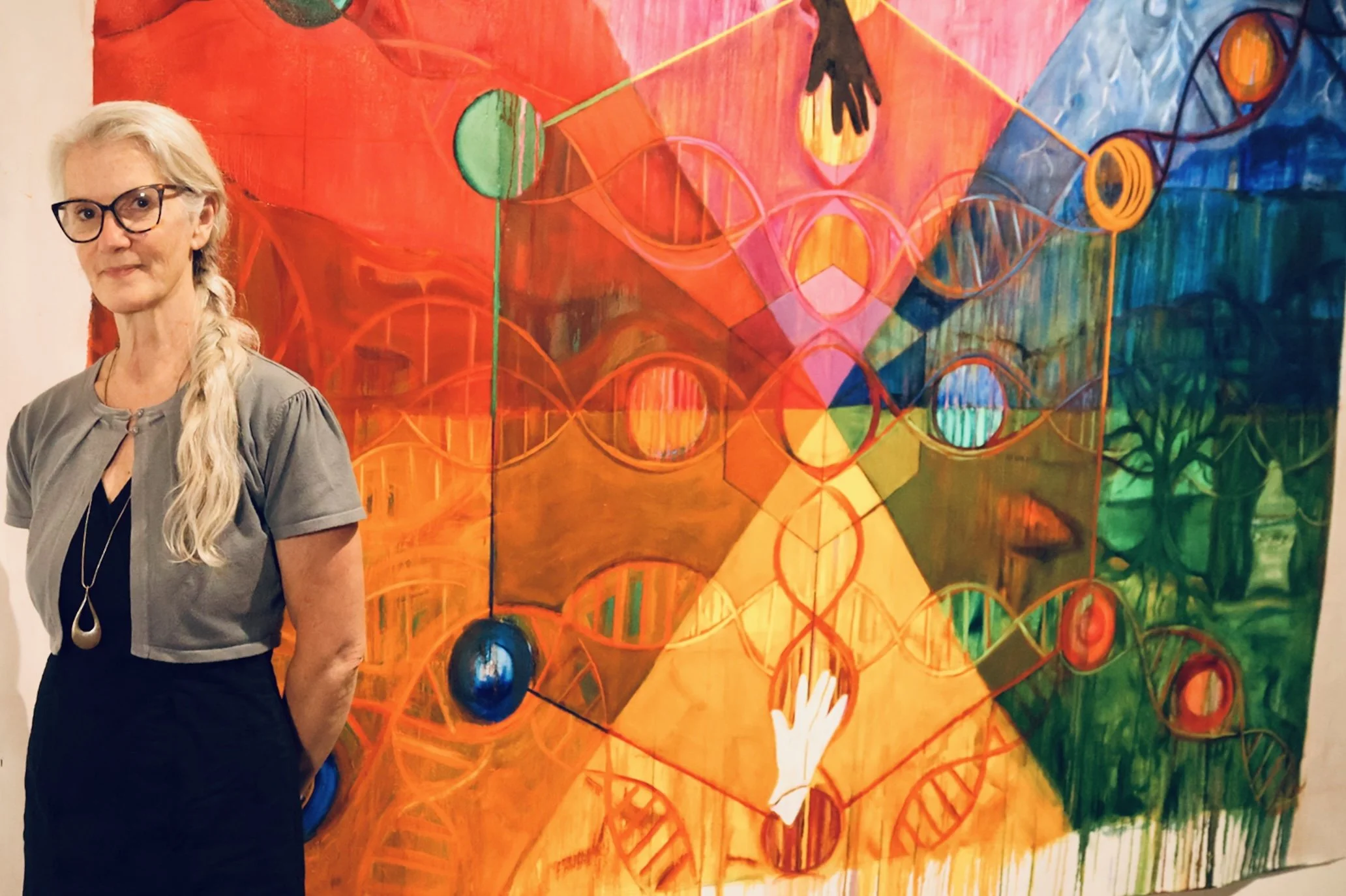
I realized that each element in Plato and the Chinese way had a shape, a color, and other connections. I also realized that together, the 6 elements of earth, air, fire, water, metal, wood - and light/void (or yin/yang), replicated the 6 main colors of the color wheel + white and black.
So this is how I started “interpreting” nature - using sacred geometry, color, forces - and their connection to my family. Each couple and person was a different “element.”
Yes, this felt complicated - but to me, it started to coalesce into a new way to understand family, nature and our place in it.
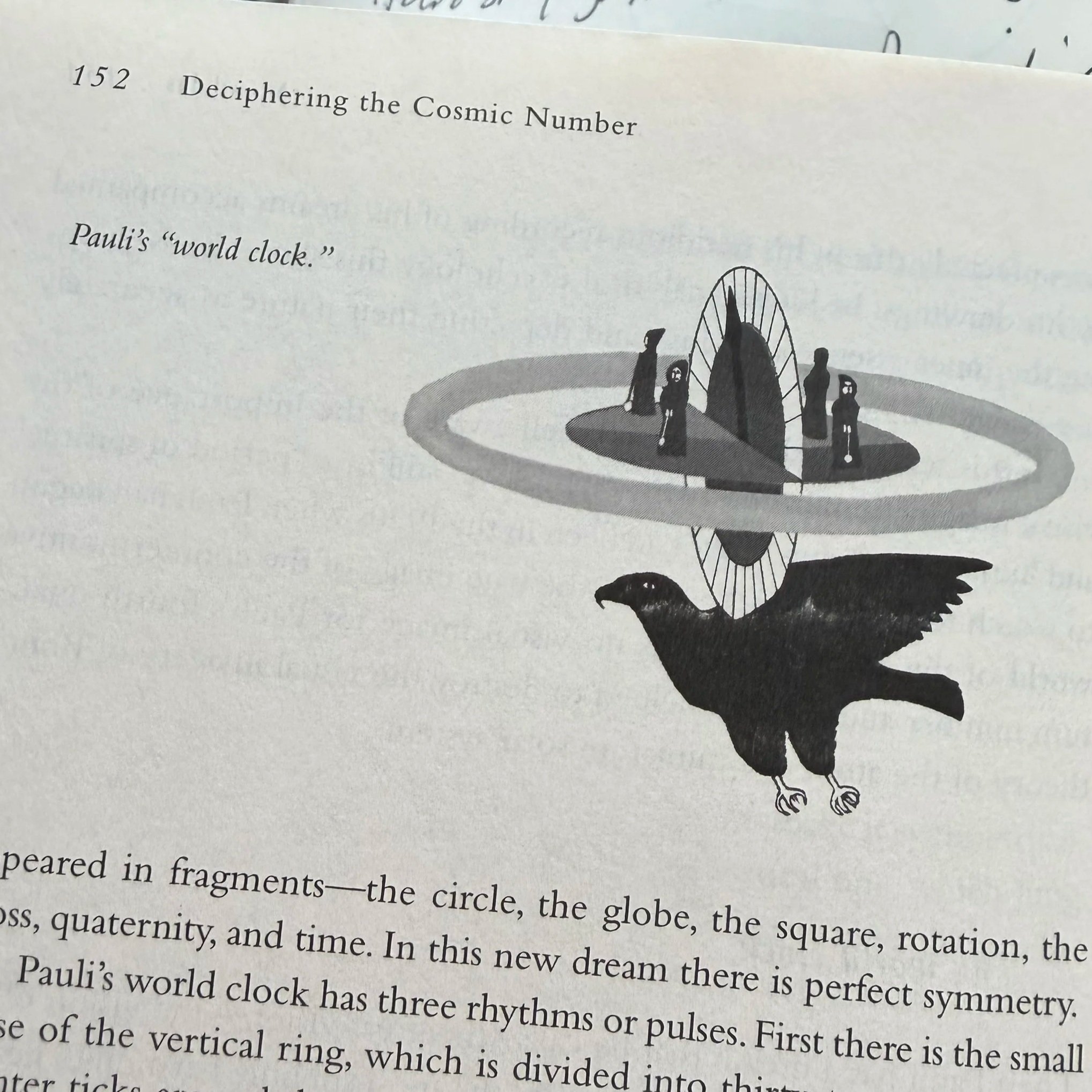
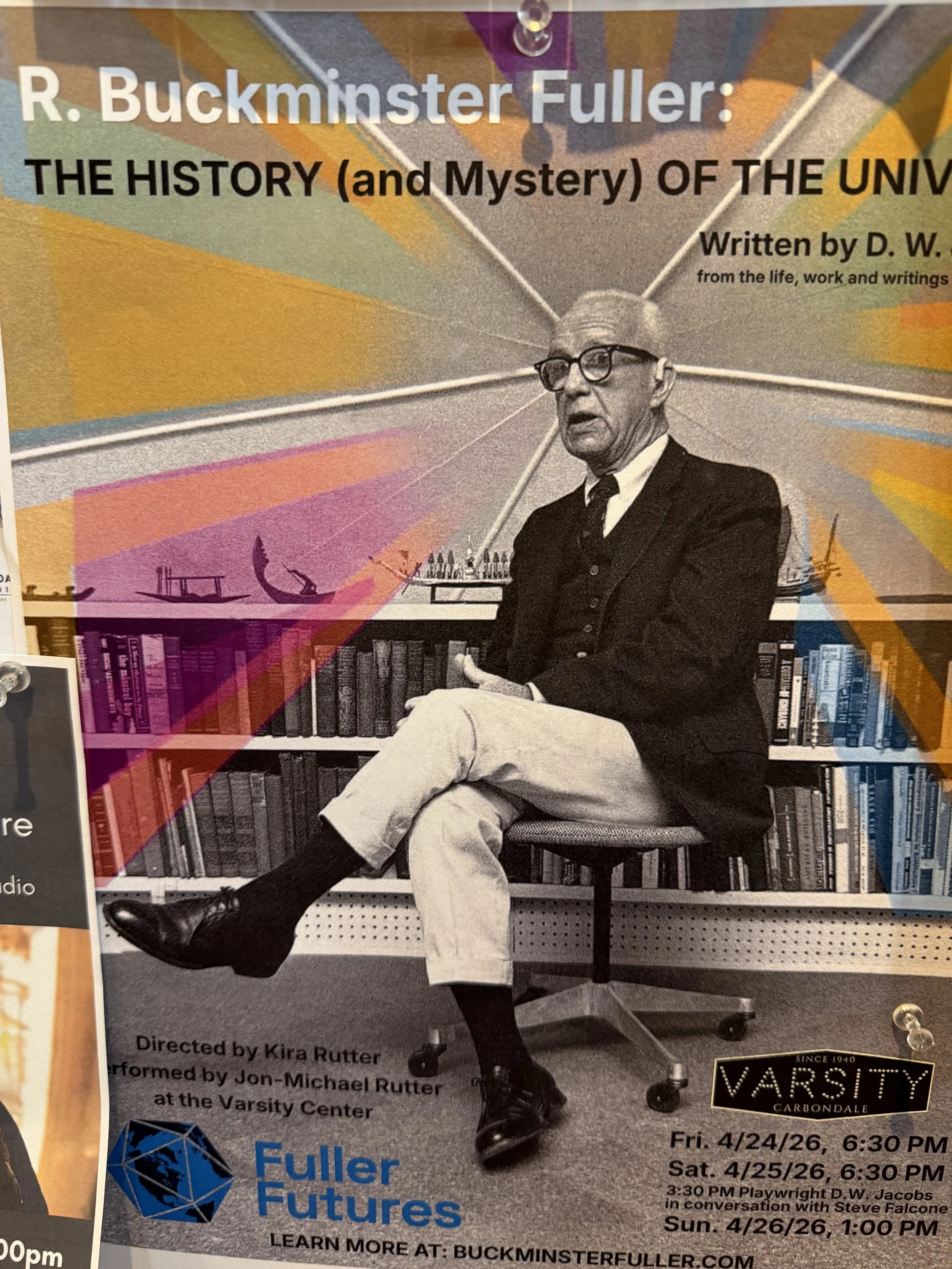
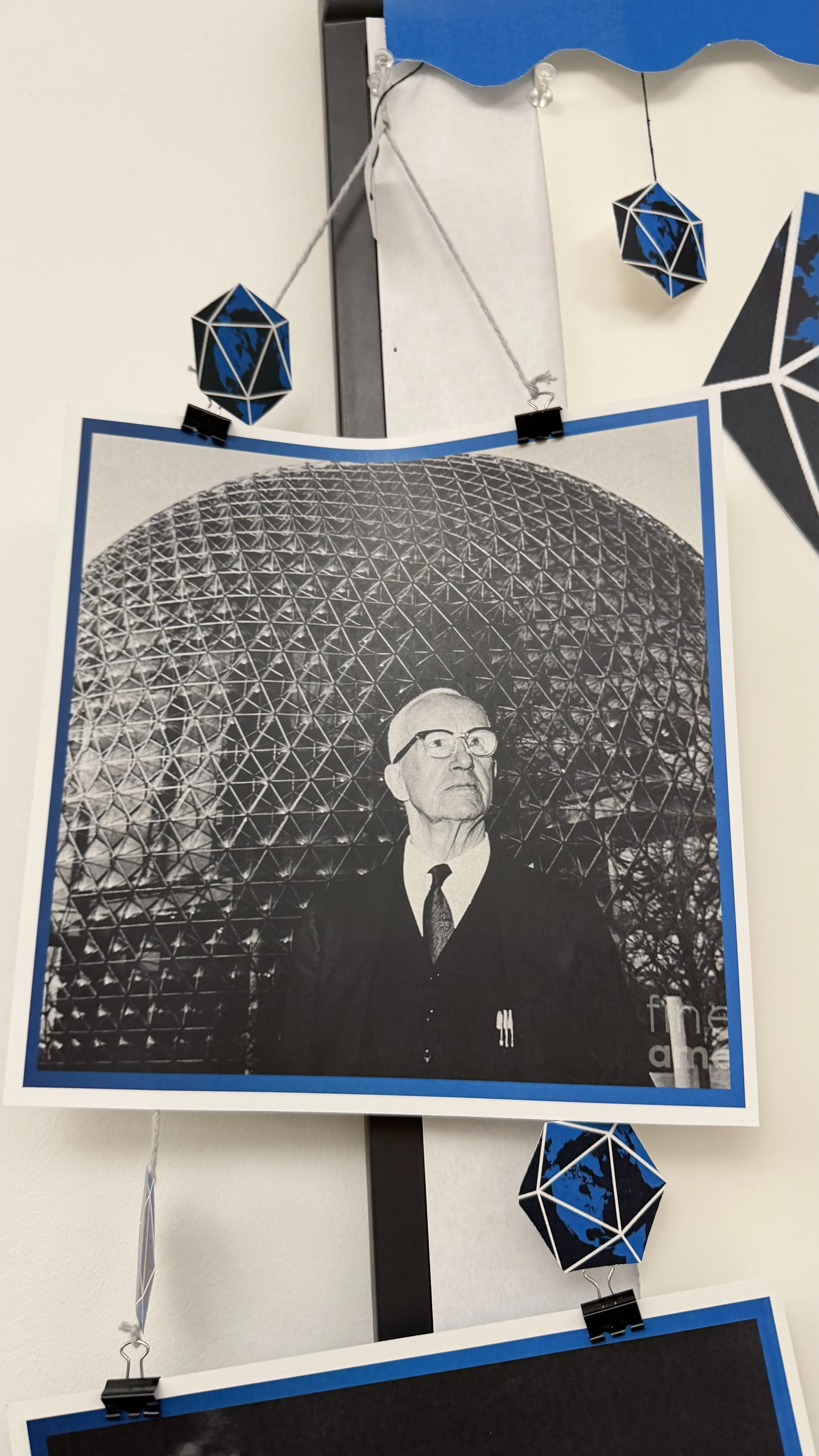
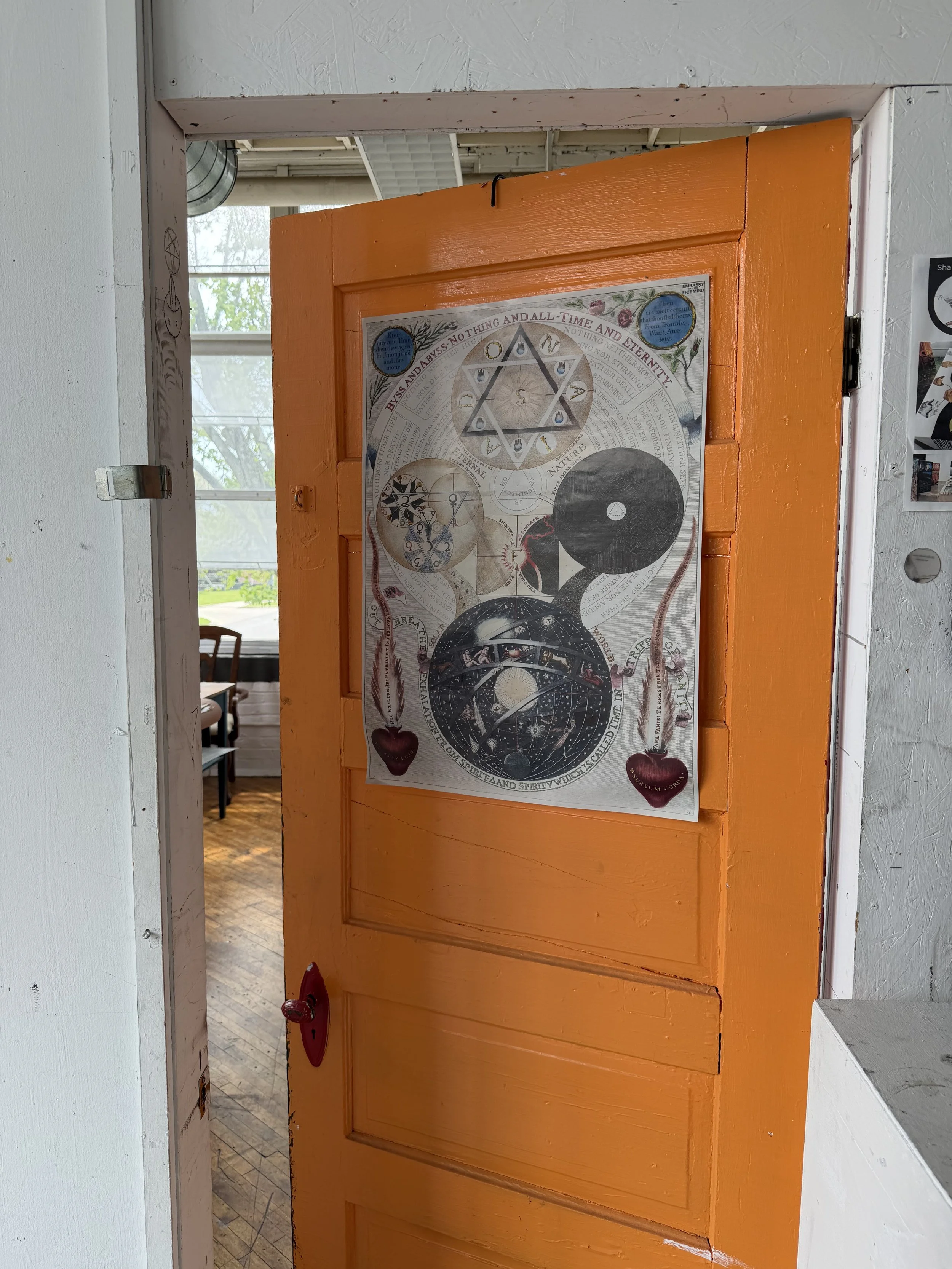
I started to read the history of some of these philosophical traditions, such as Theosophy, Renaissance Magic, Arabic patterns and mathematics, and how they connected to the Western esoteric tradition, alchemy. I realized that all of this had a true connection to my Mormon background - an American esoteric religion.
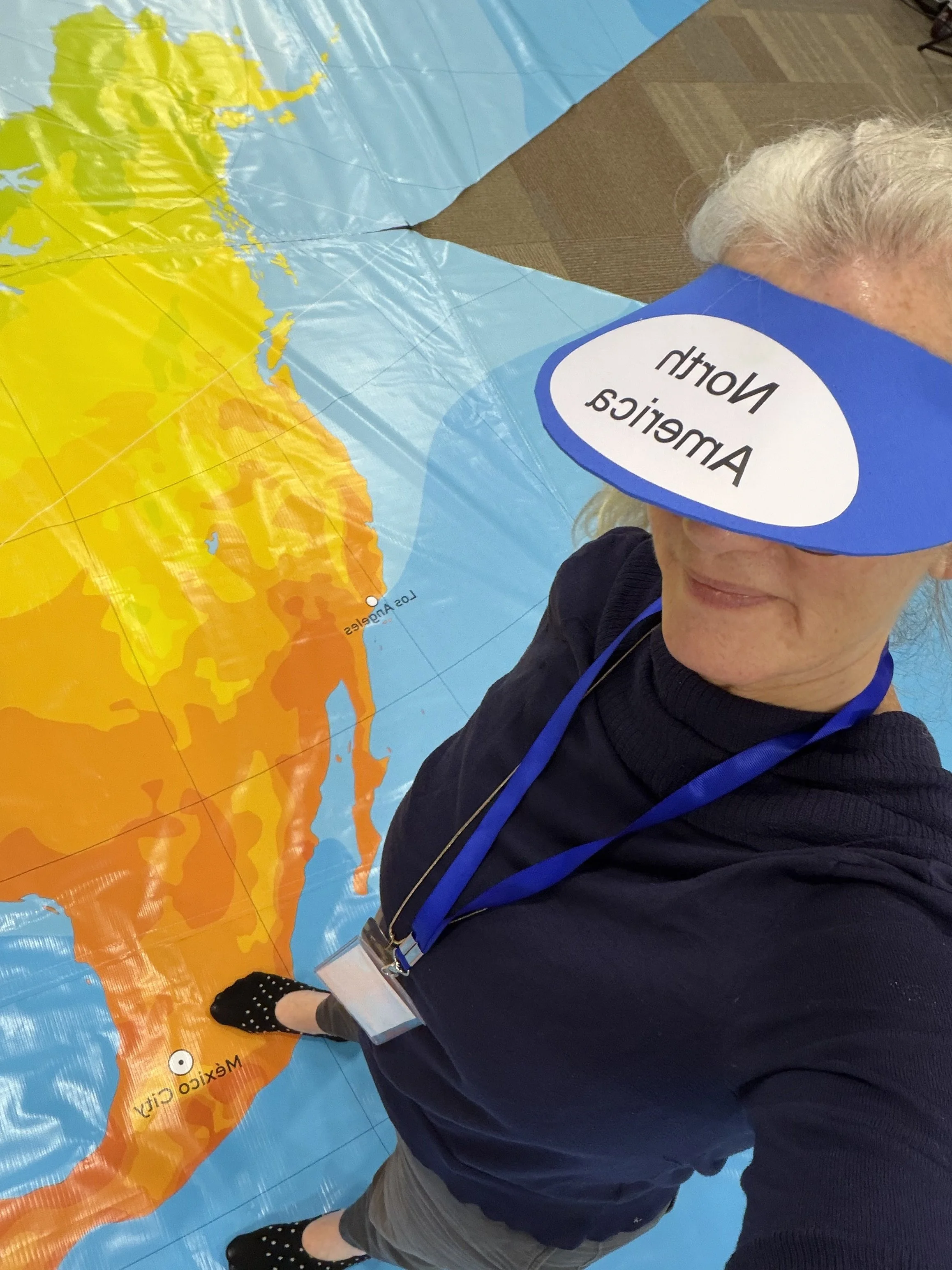
Even though I am not religious, I am interested in the cosmology of the faith, and went on several road trips to visit family places in the midwest. Little did I know when I started that I would be right in the center of my family history. I visited Nauvoo, Illinois, Liberty Jail where Joseph Smith was held; Carthage Jail where he was killed. My ancestors were there for all of it.
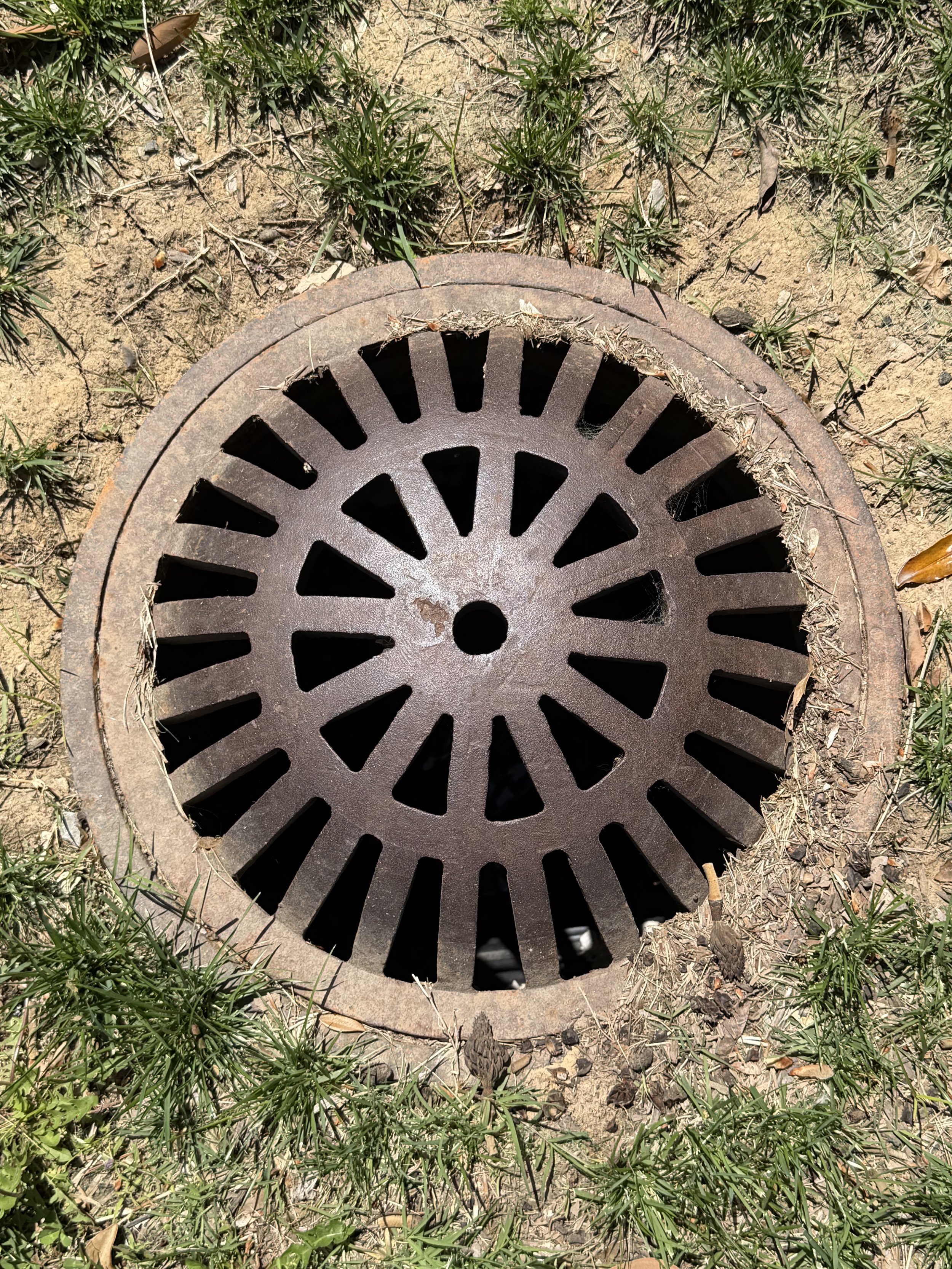
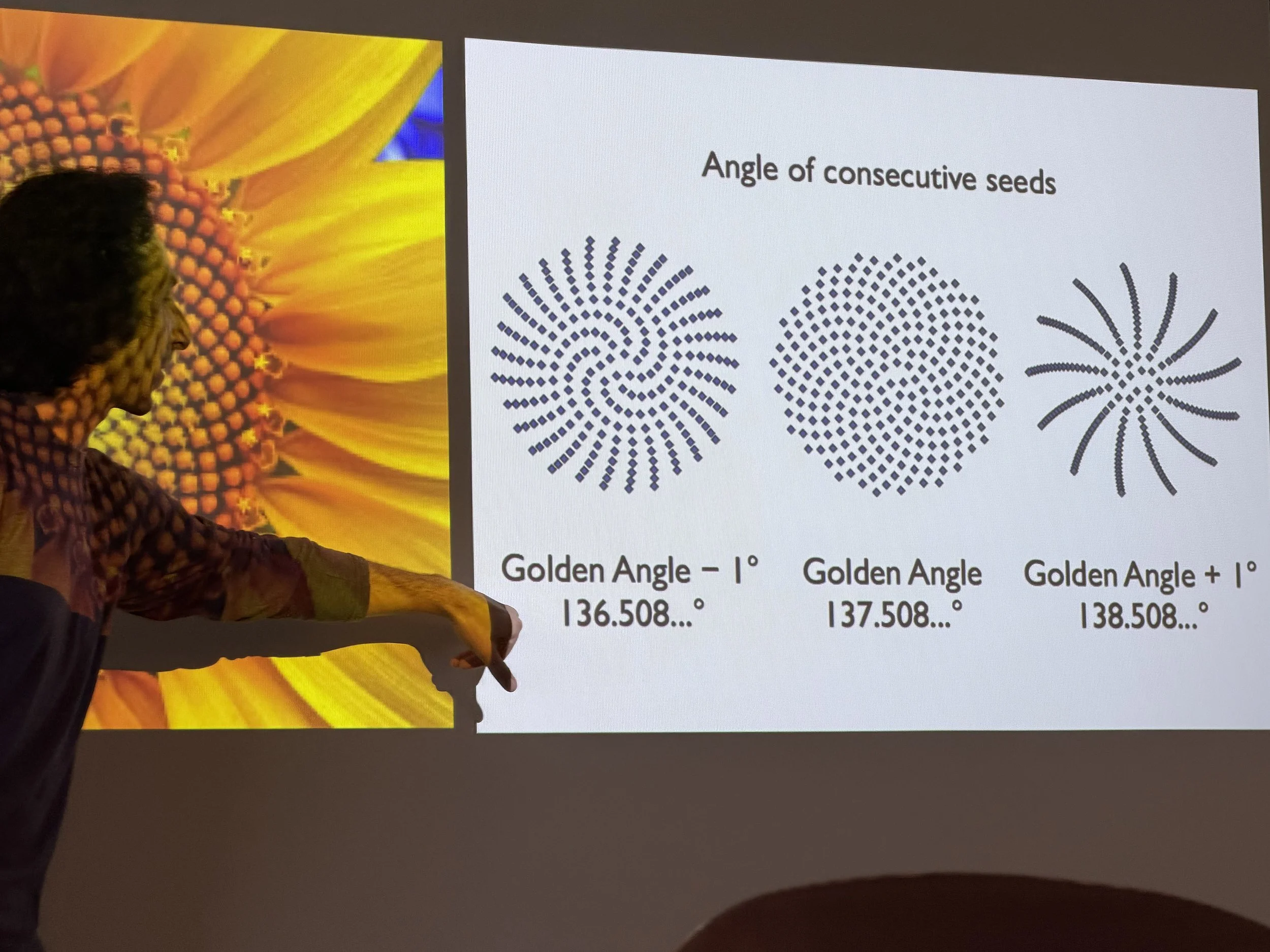
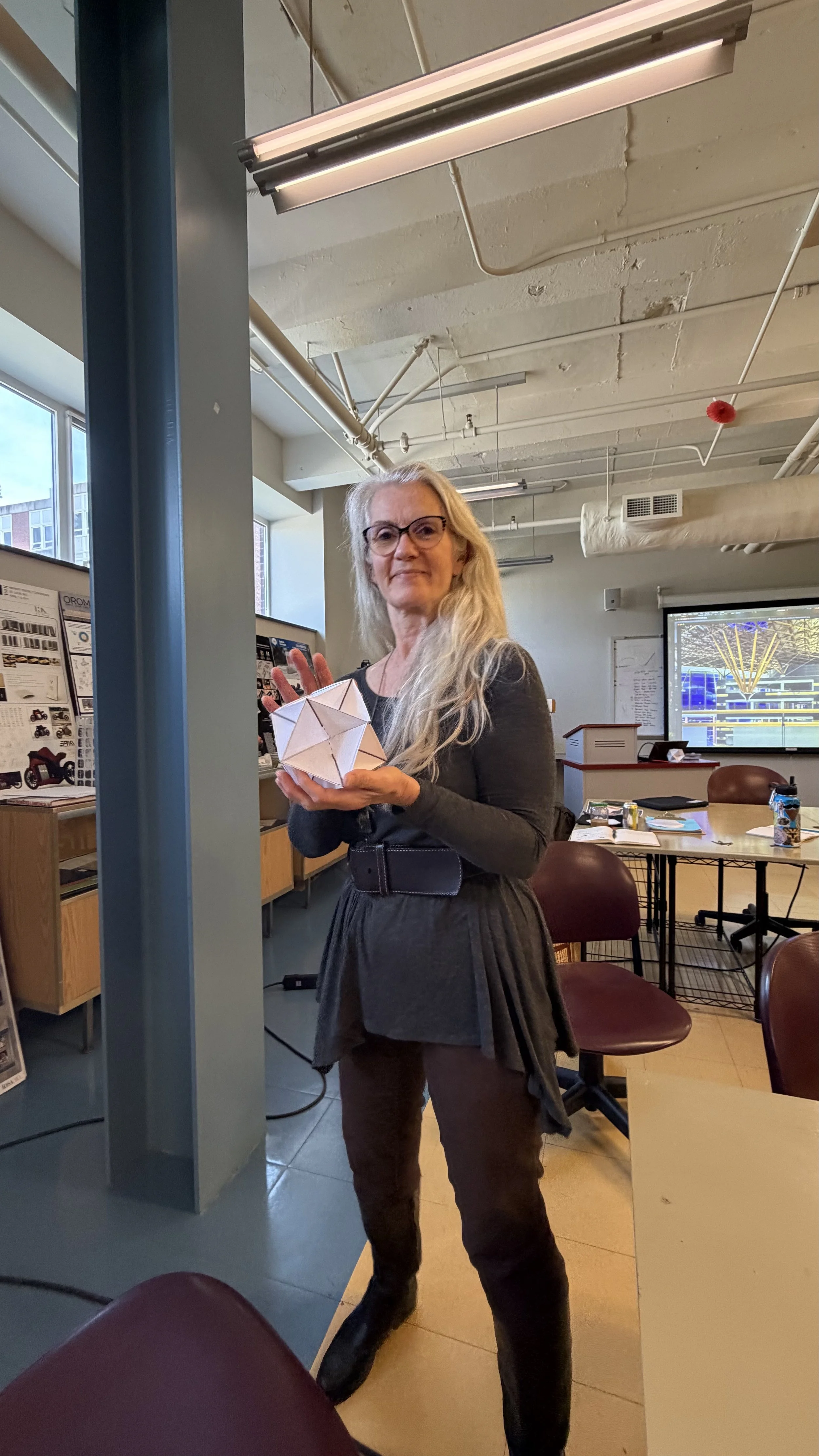
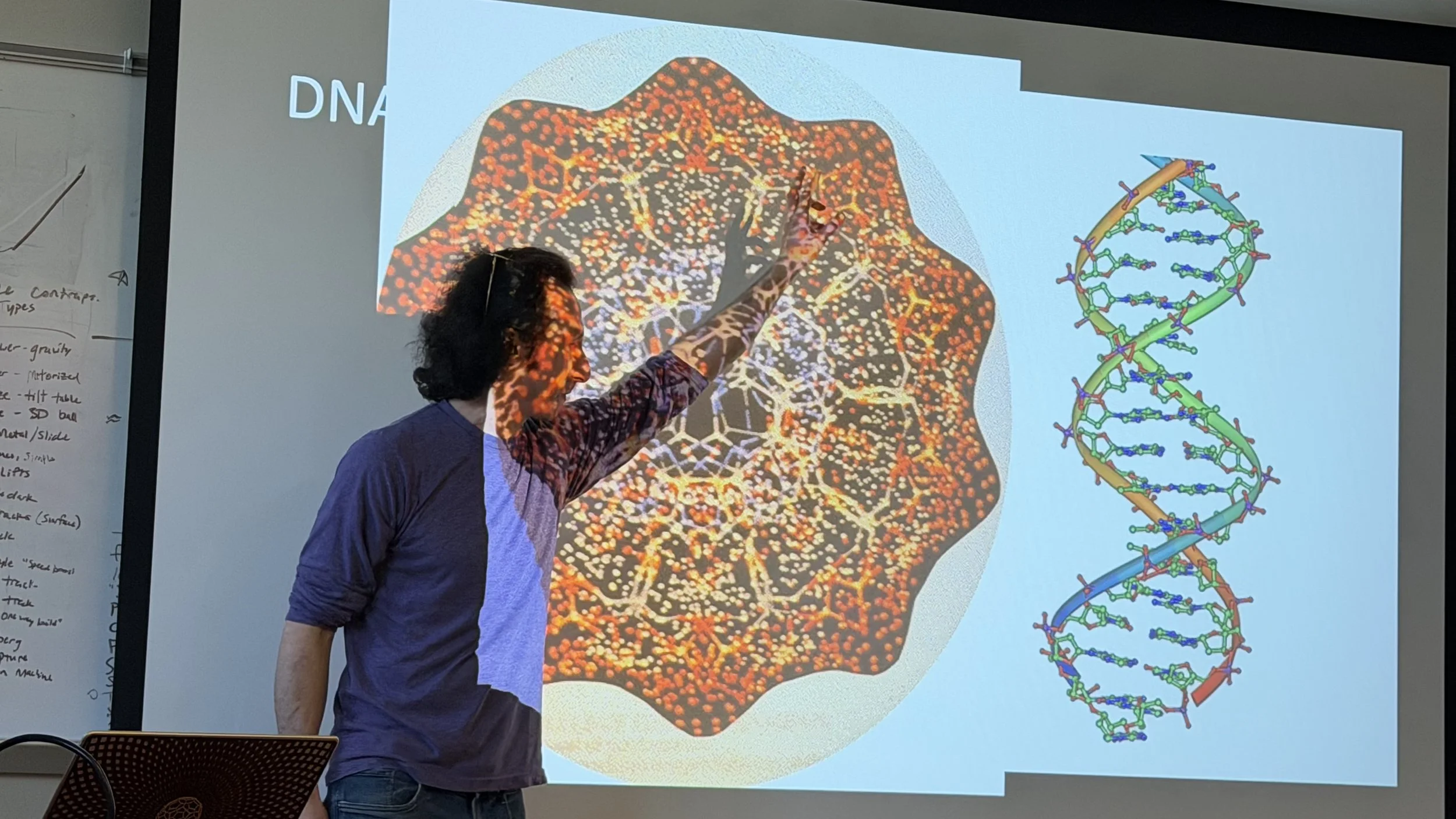
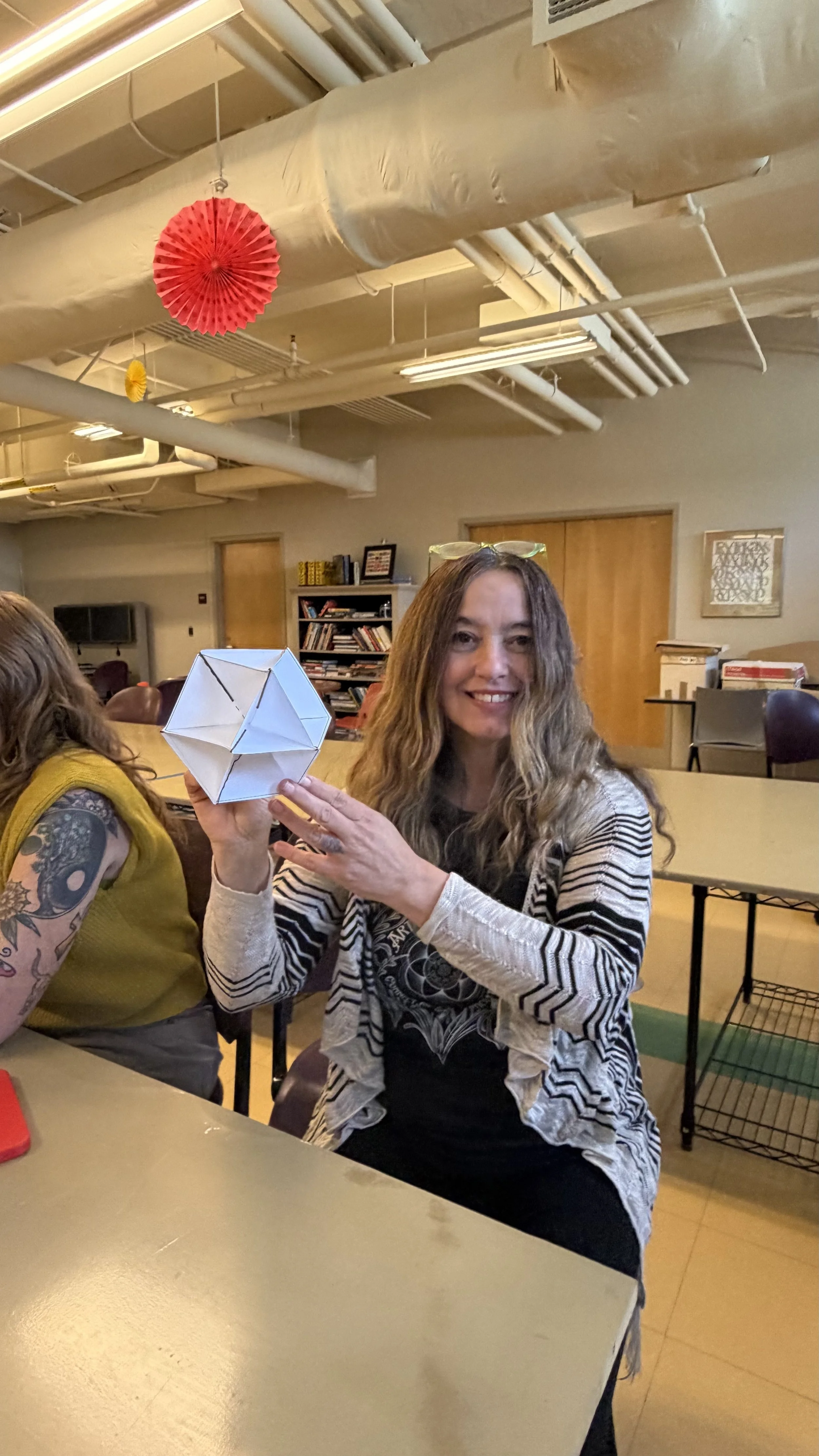
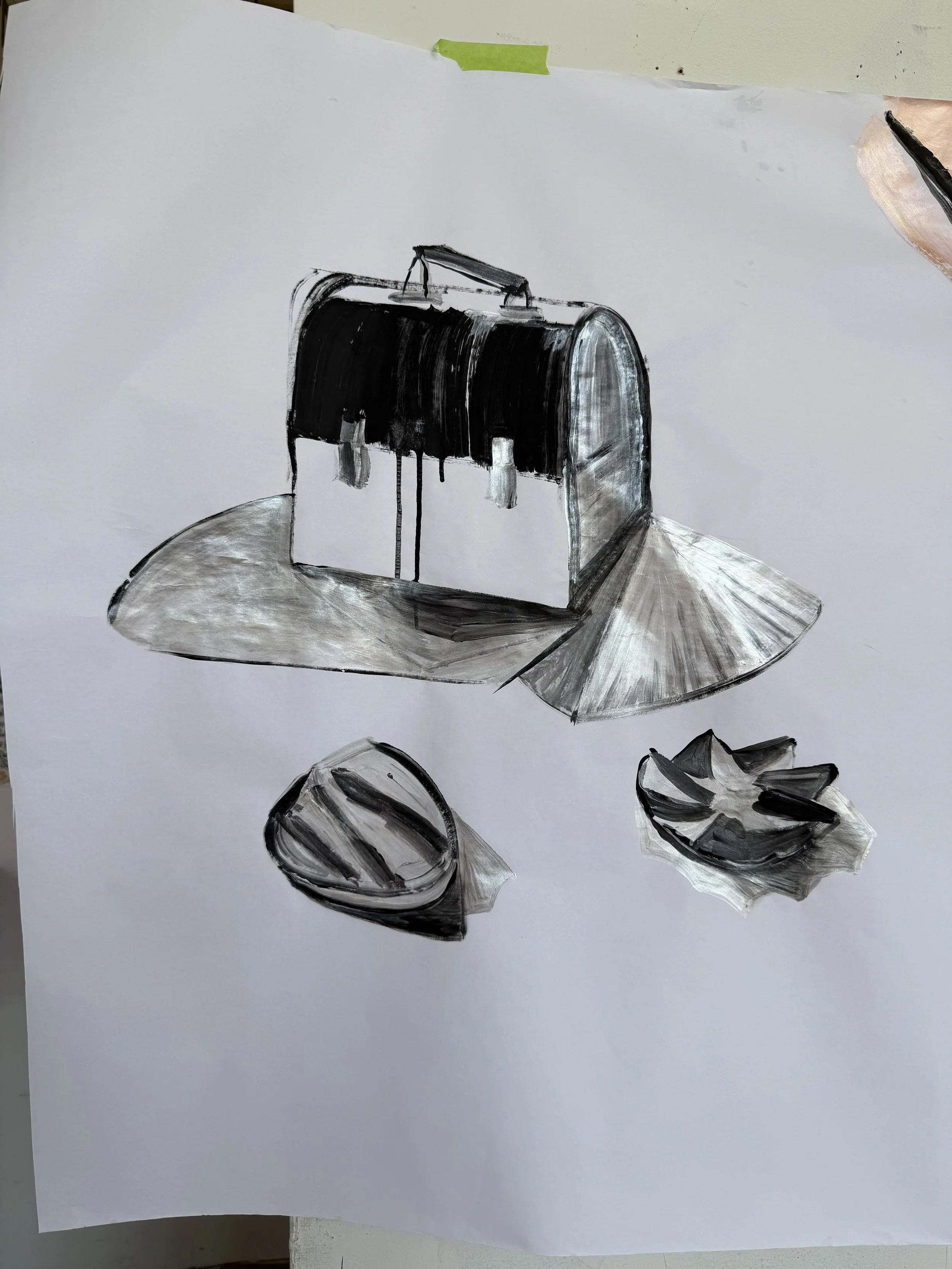
I studied nature closely, and became more accepting of myself as I worked through the process of interpreting identity, nature, and history in my own way.


Lesson No. 3:
Integration Takes Time
In a body of work, ideas, images and object come together into one unifying experience - similar to the way a spectrum of color integrates into white light.
All colors of your creativity integrated into one vision.
But it can’t be rushed.
Sometimes it happens in a flash.
Sometimes it takes a long, long time.
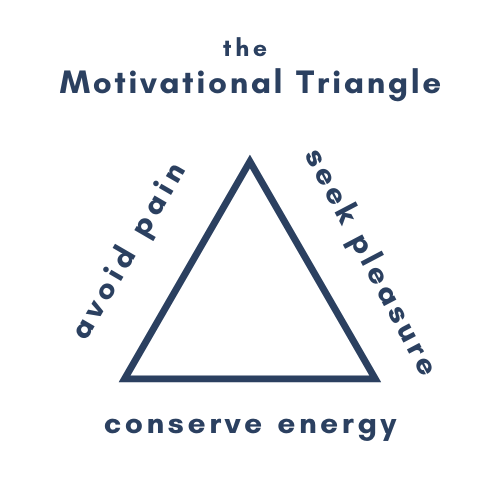
That intense experience, coupled with many other critiques, long hours in the studio, amazing conversations with fellow artists and professors, and accepting their guidance in creating a final MFA show, pushed me at every level of my well-worn ruts, or what psychologists call The Motivational Triad: The human tendency to be motivated by 3 things: seeking pleasure, avoiding pain, conserving energy.
For me, I had flashes of insight, and under the surface, there are still ideas that will keep working themselves out for years to come.
For me, it was push and pull. Baby steps and breakthroughs.
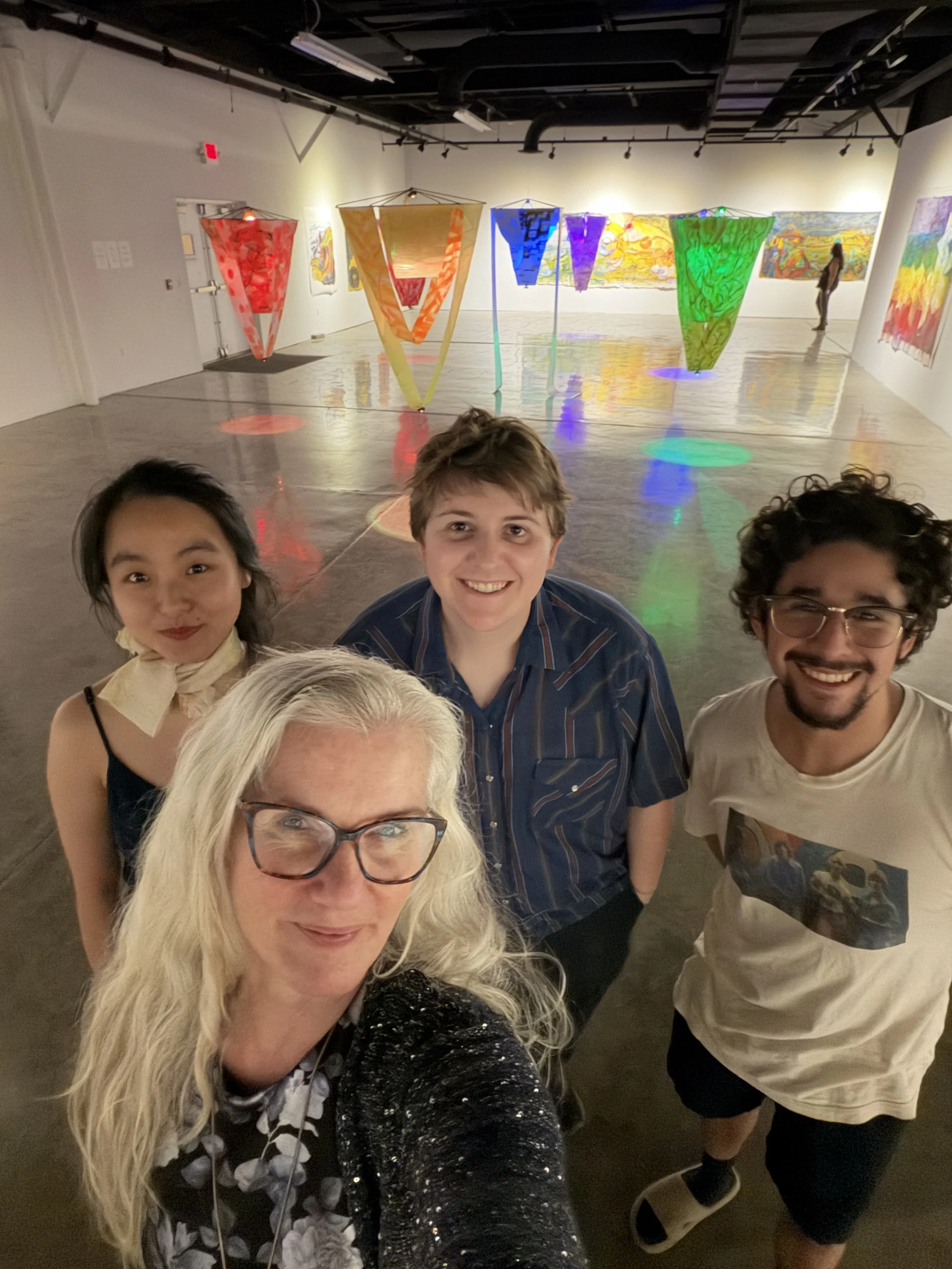
My final show was invigorating, challenging and fun. But mostly, the process of experimentation; discovering new ideas, methods and techniques; learning how to listen to and integrate others’ input; and managing my own mind through it all were the biggest victories.
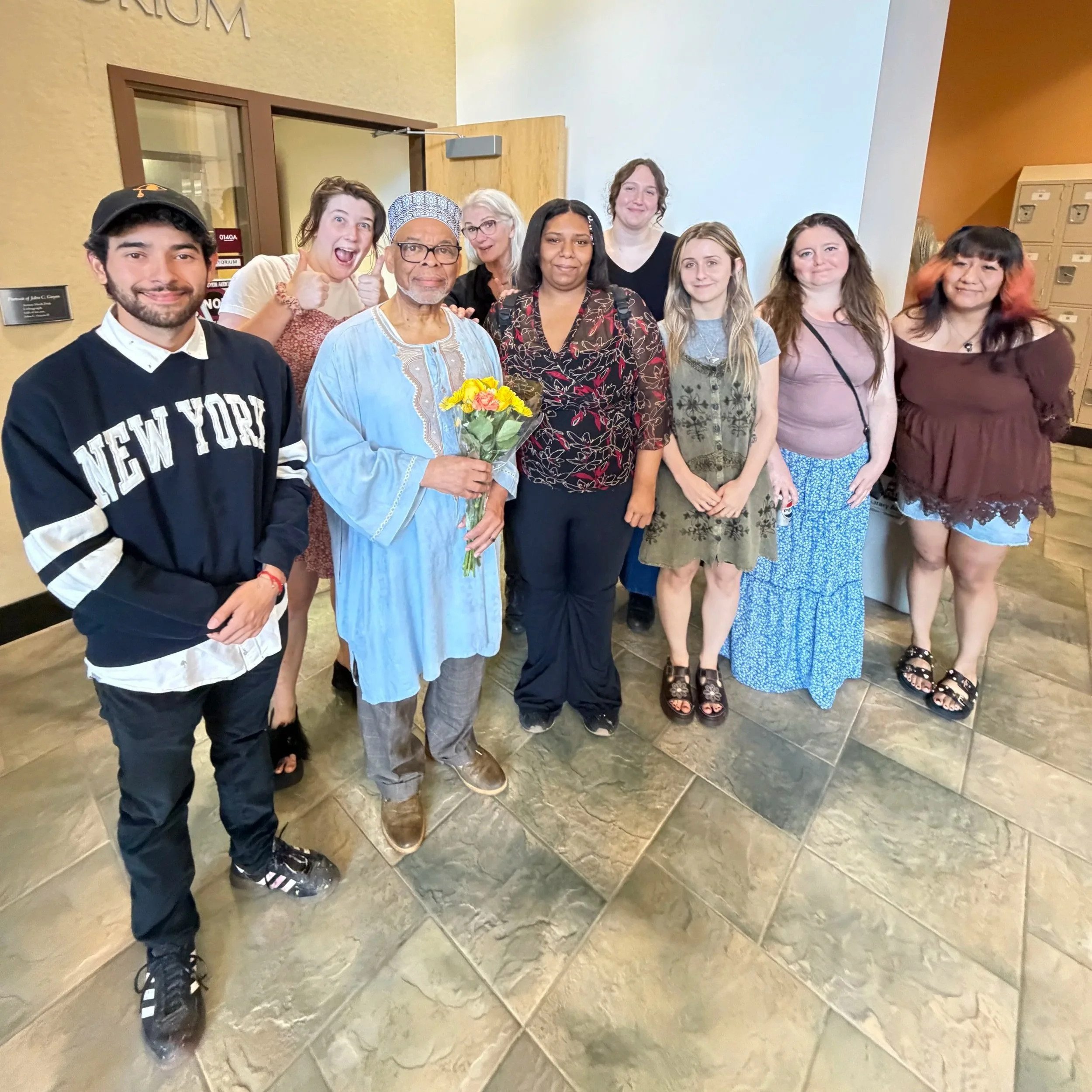
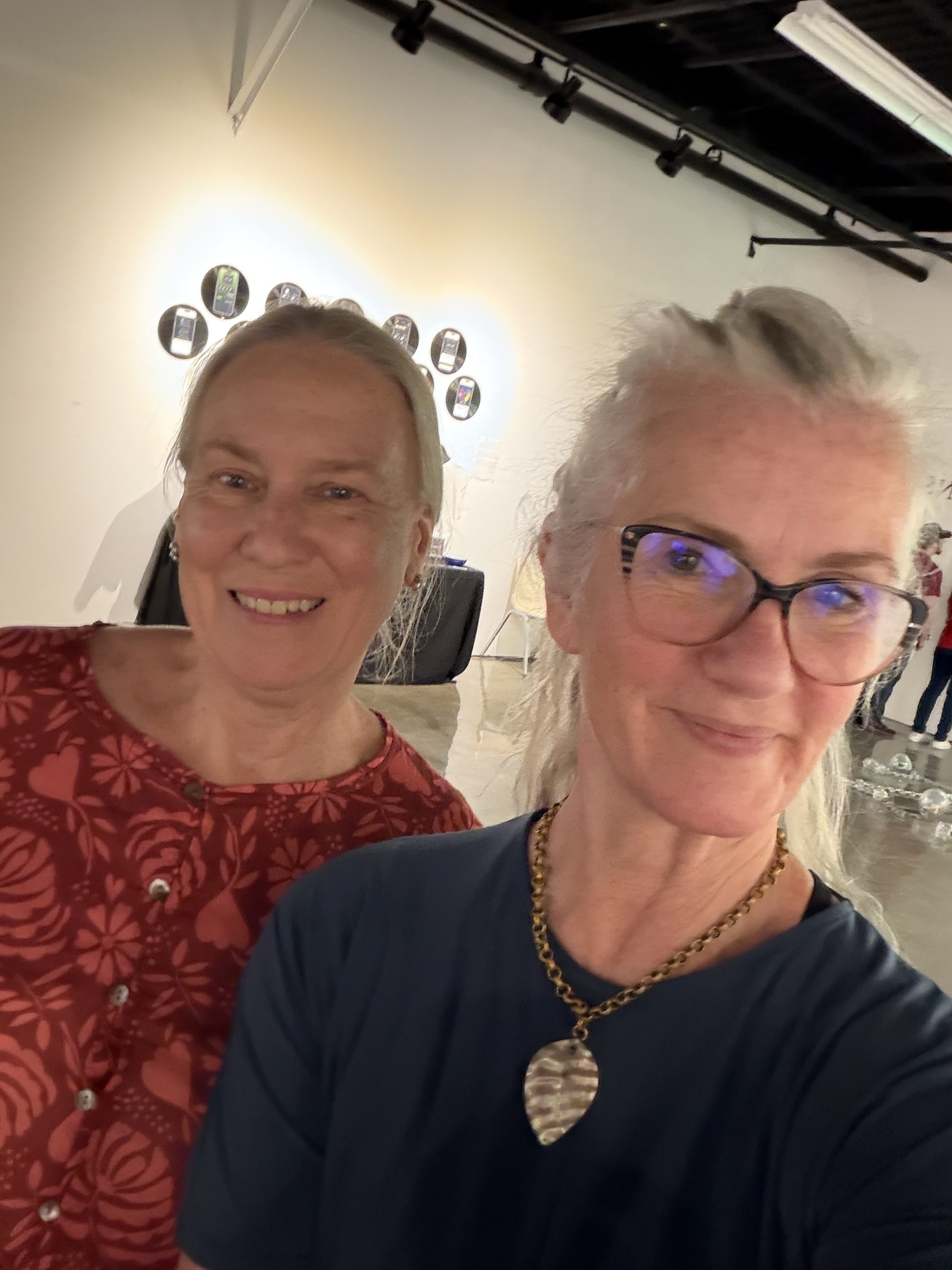
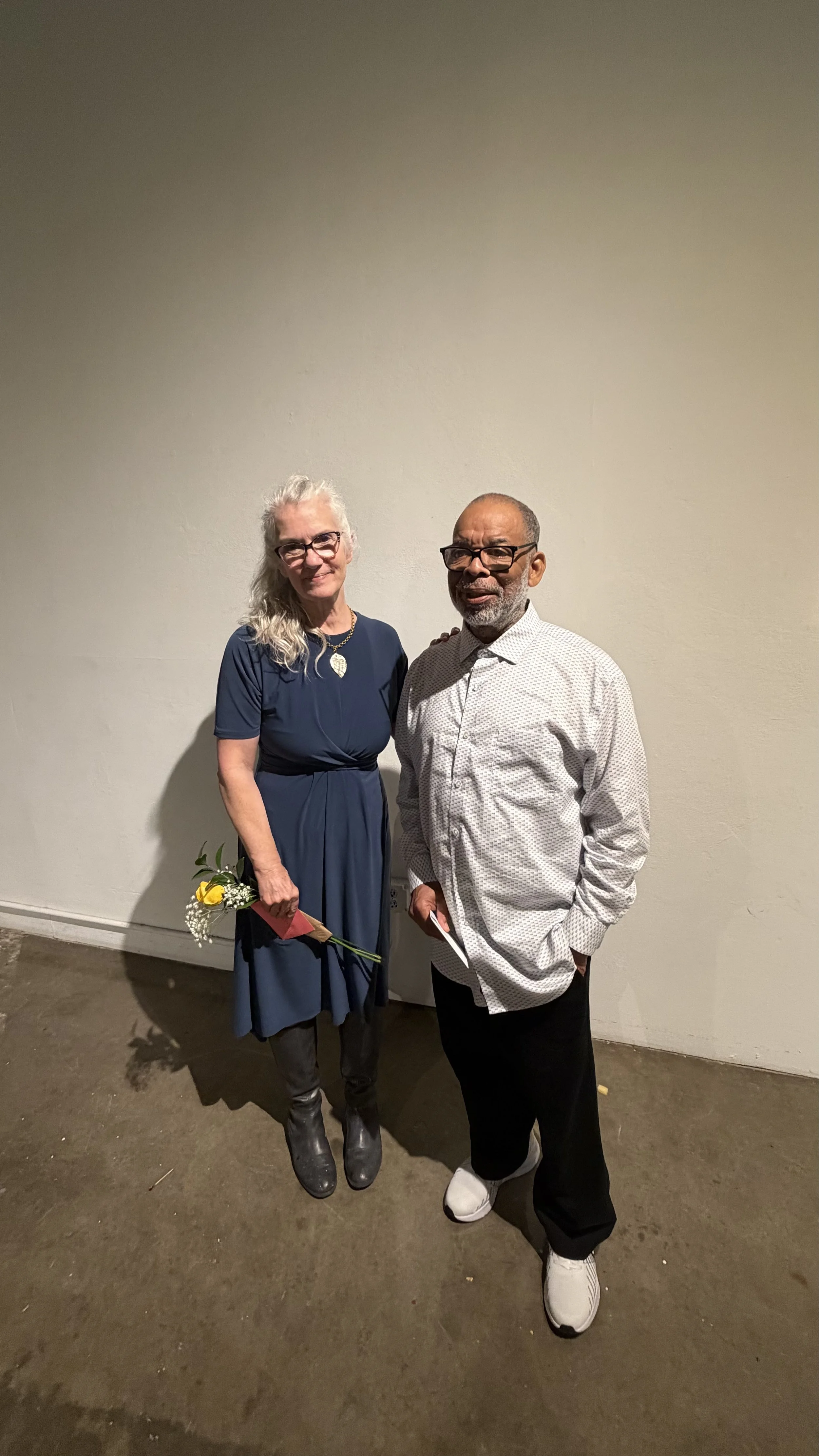
I will never forget my friends and professors, my students and colleagues. This was truly a life-changing time, and I encourage anyone to take on something like this if you have the desire for big shifts!
Yes, money was an issue for me. I’m not independently wealthy. But in spite of that, I’ve always found a way to follow my dreams. In this case it was saving a bunch the summer before I left, renting out rooms in my home while I was gone, getting a student loan, working as a graduate student assistant, and coaching while I was in school.
It worked, and I’m SO glad I did it!
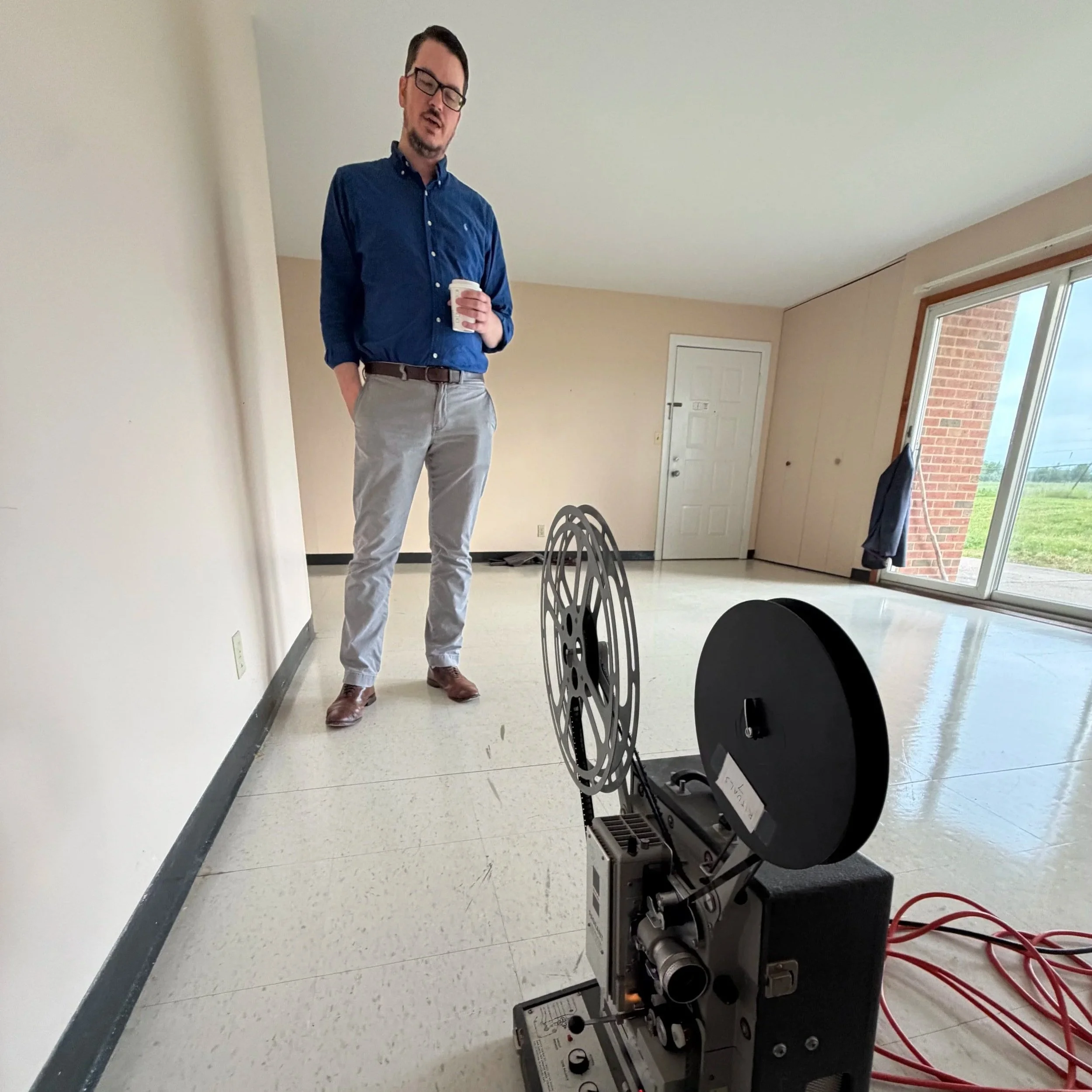
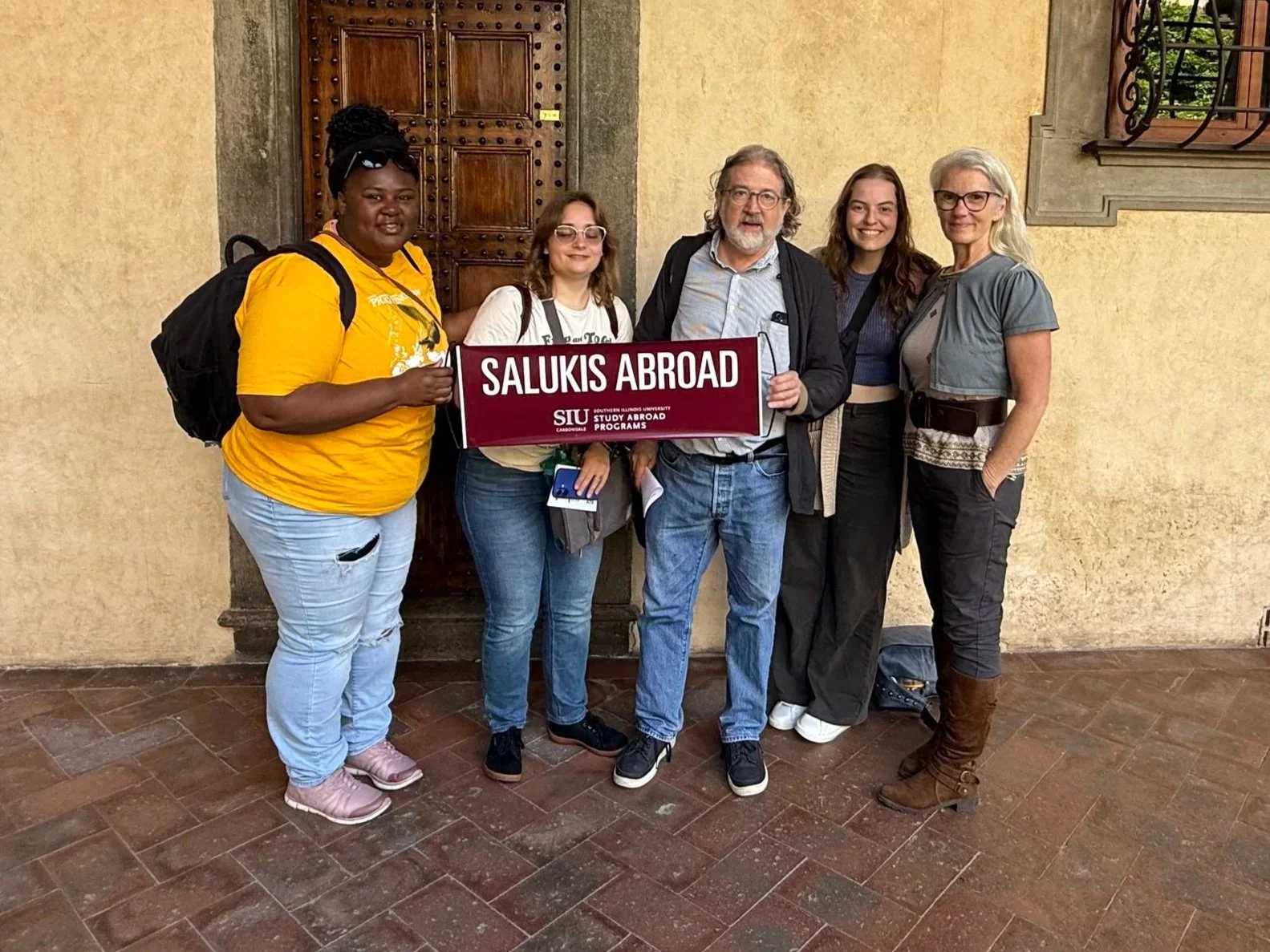
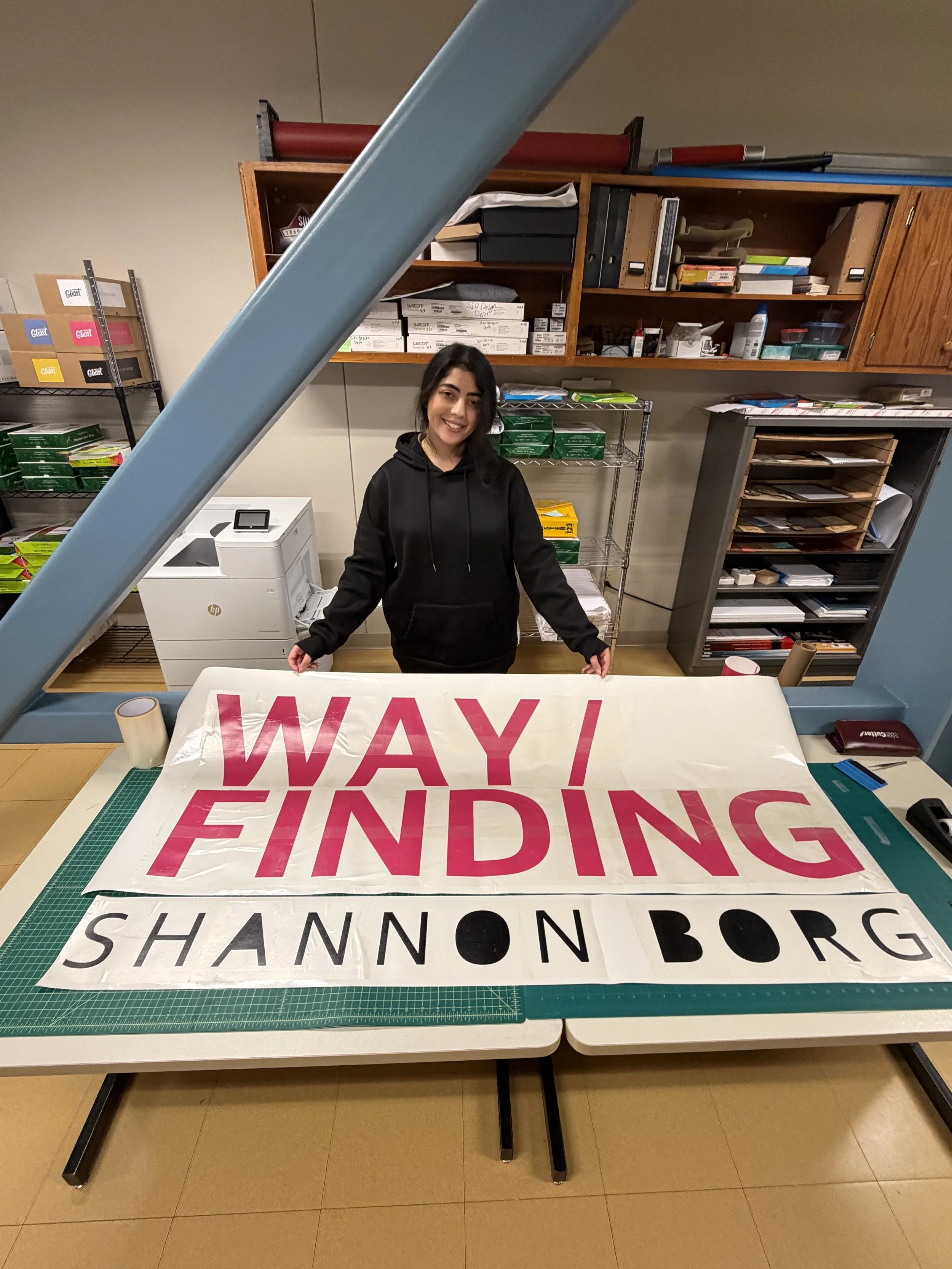
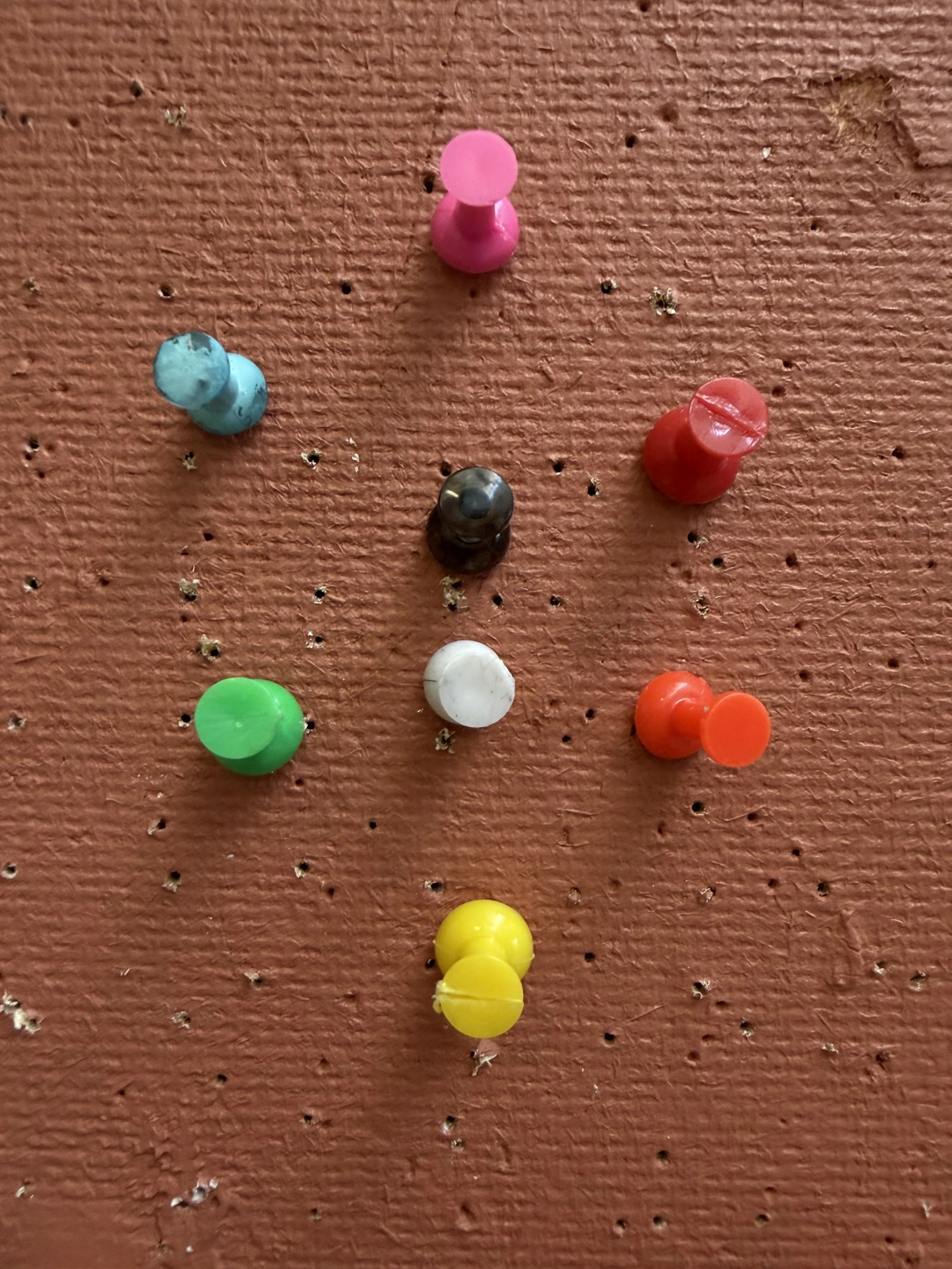
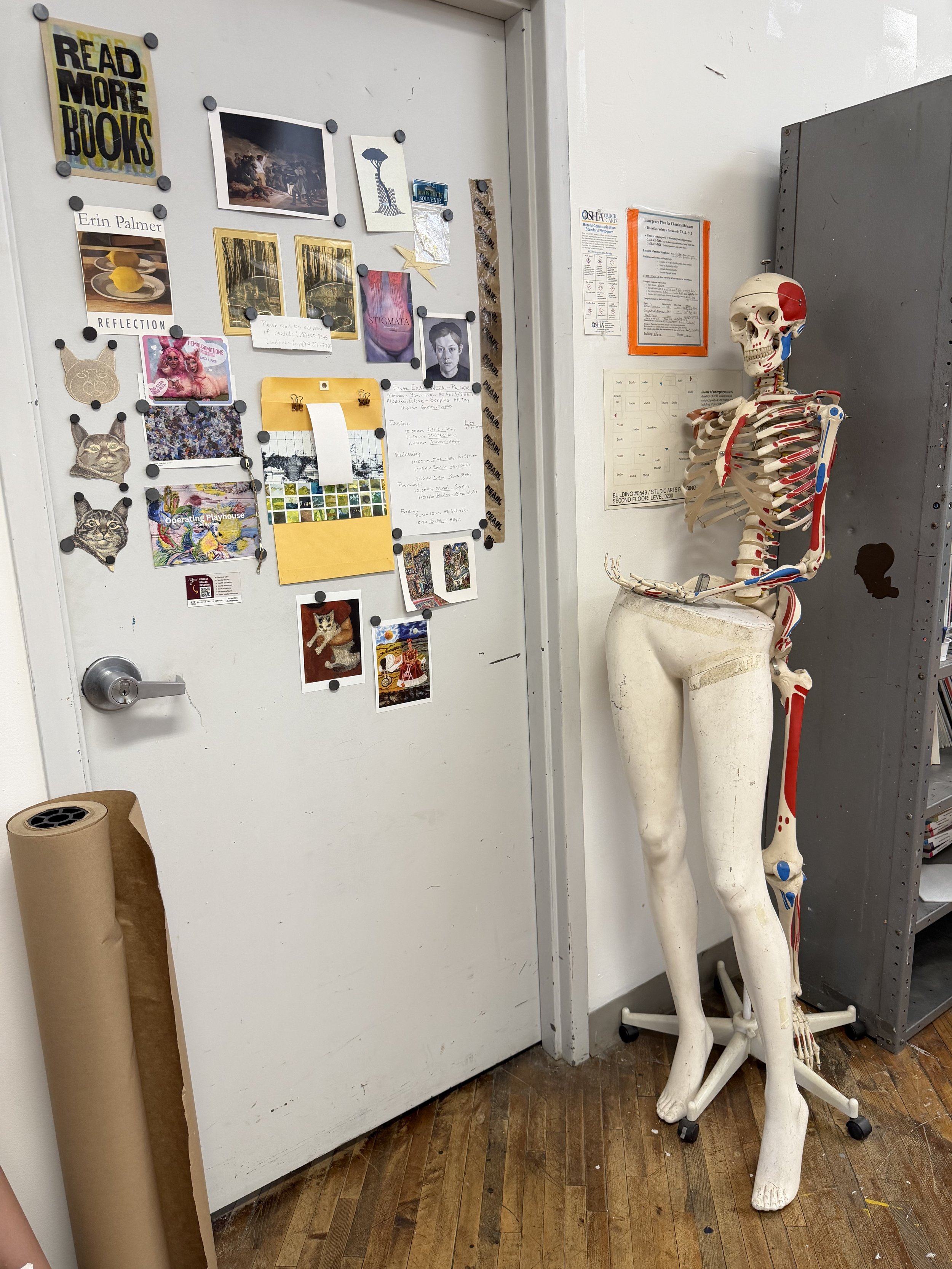
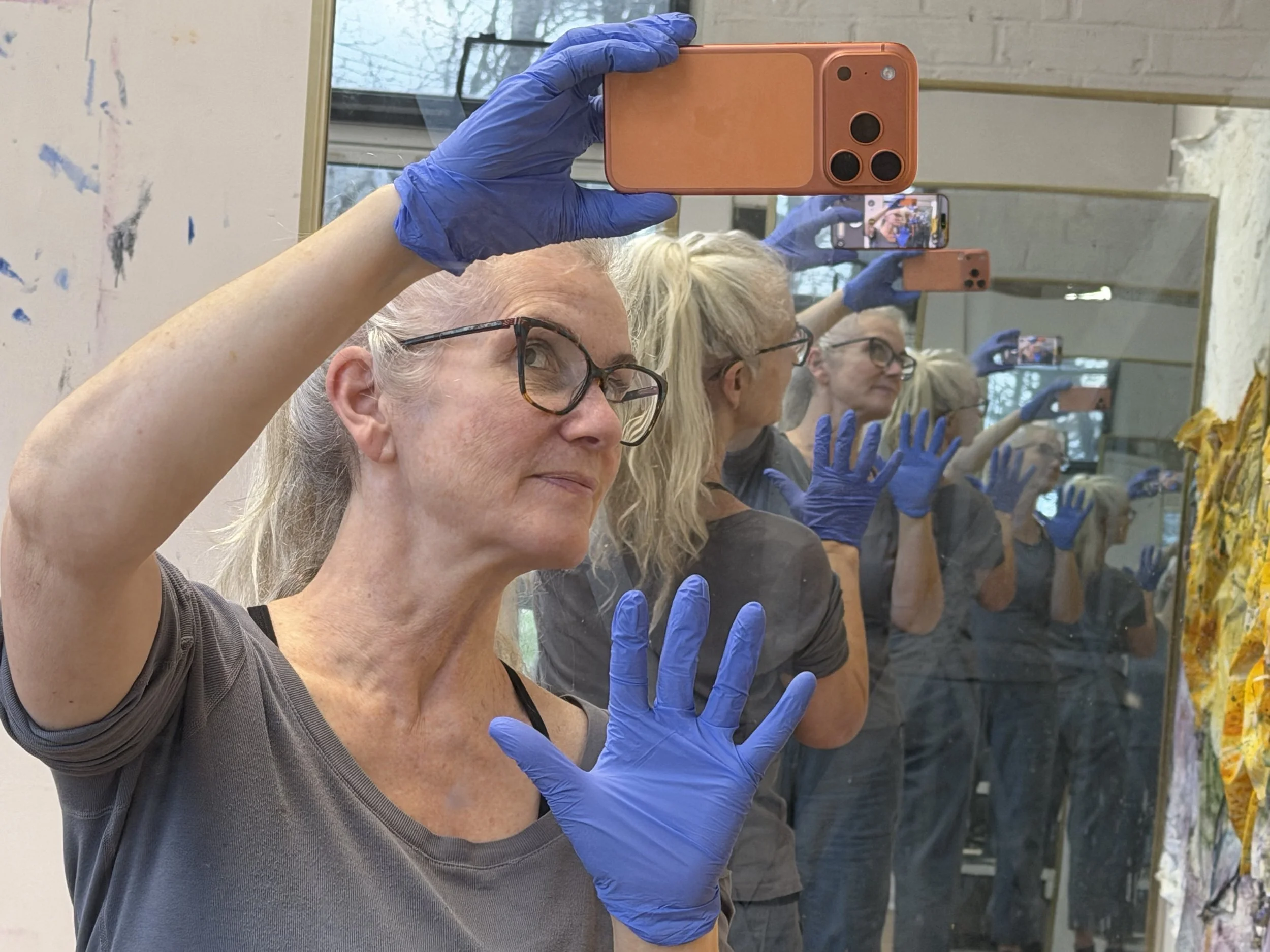
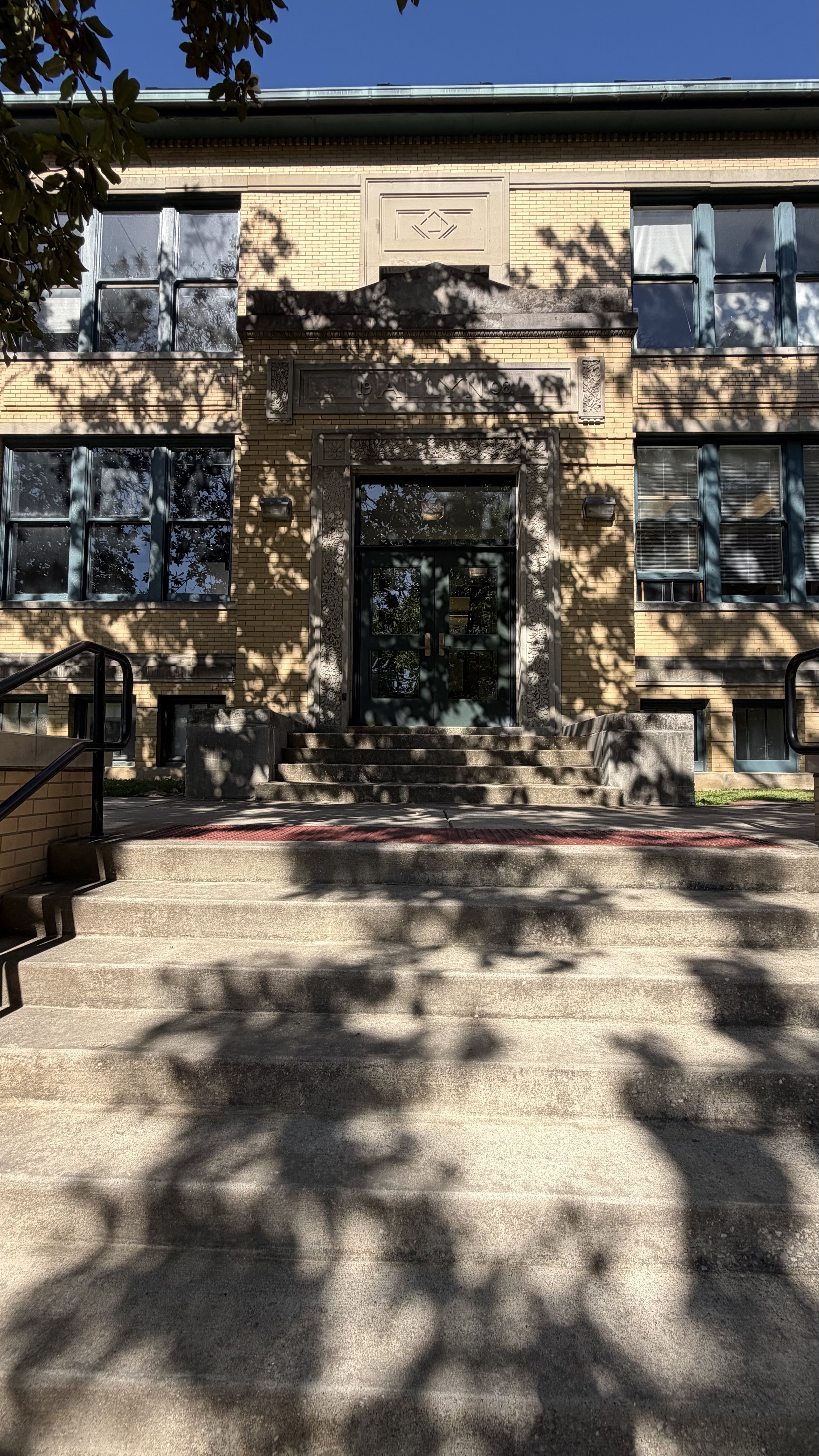
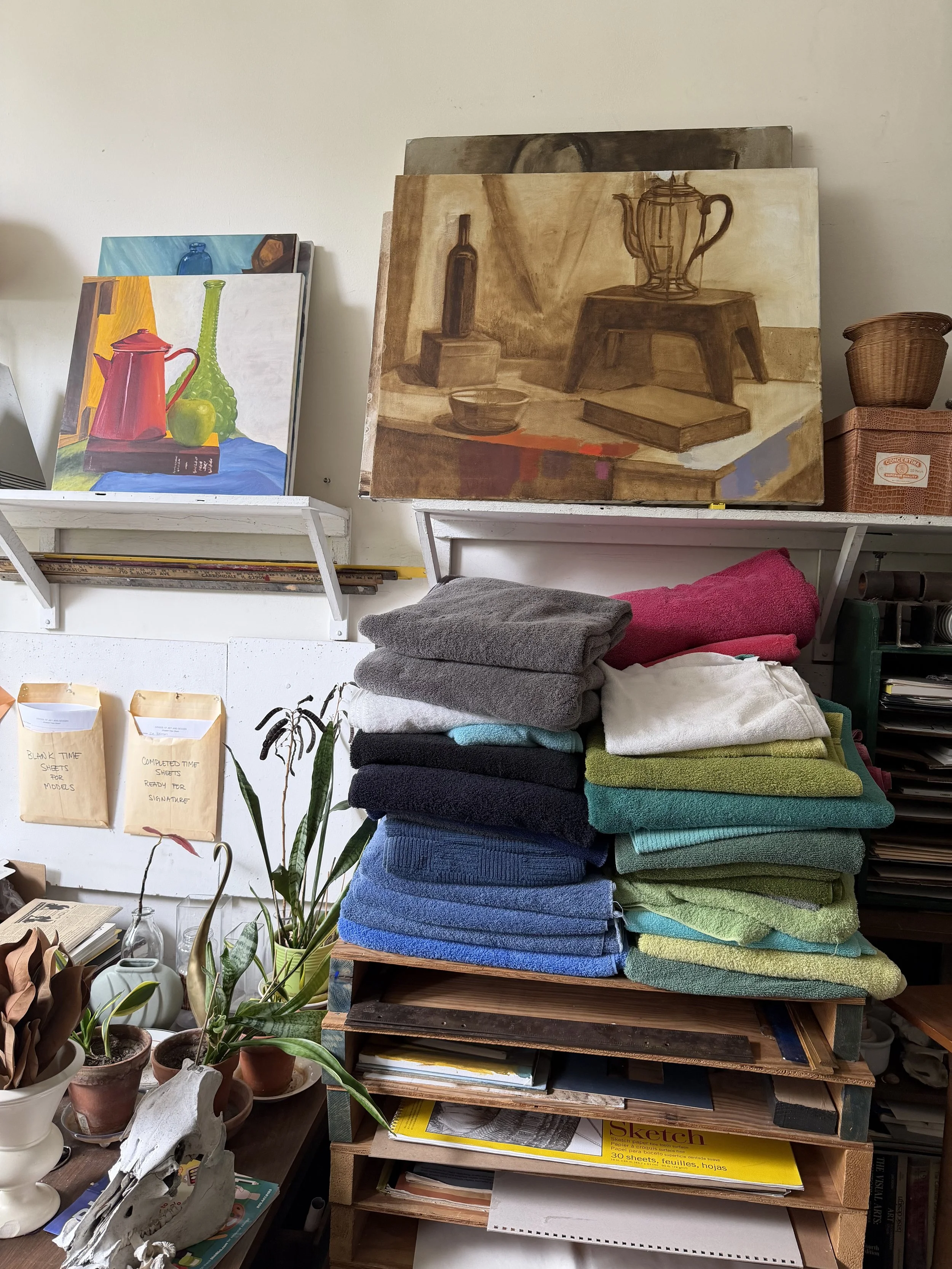
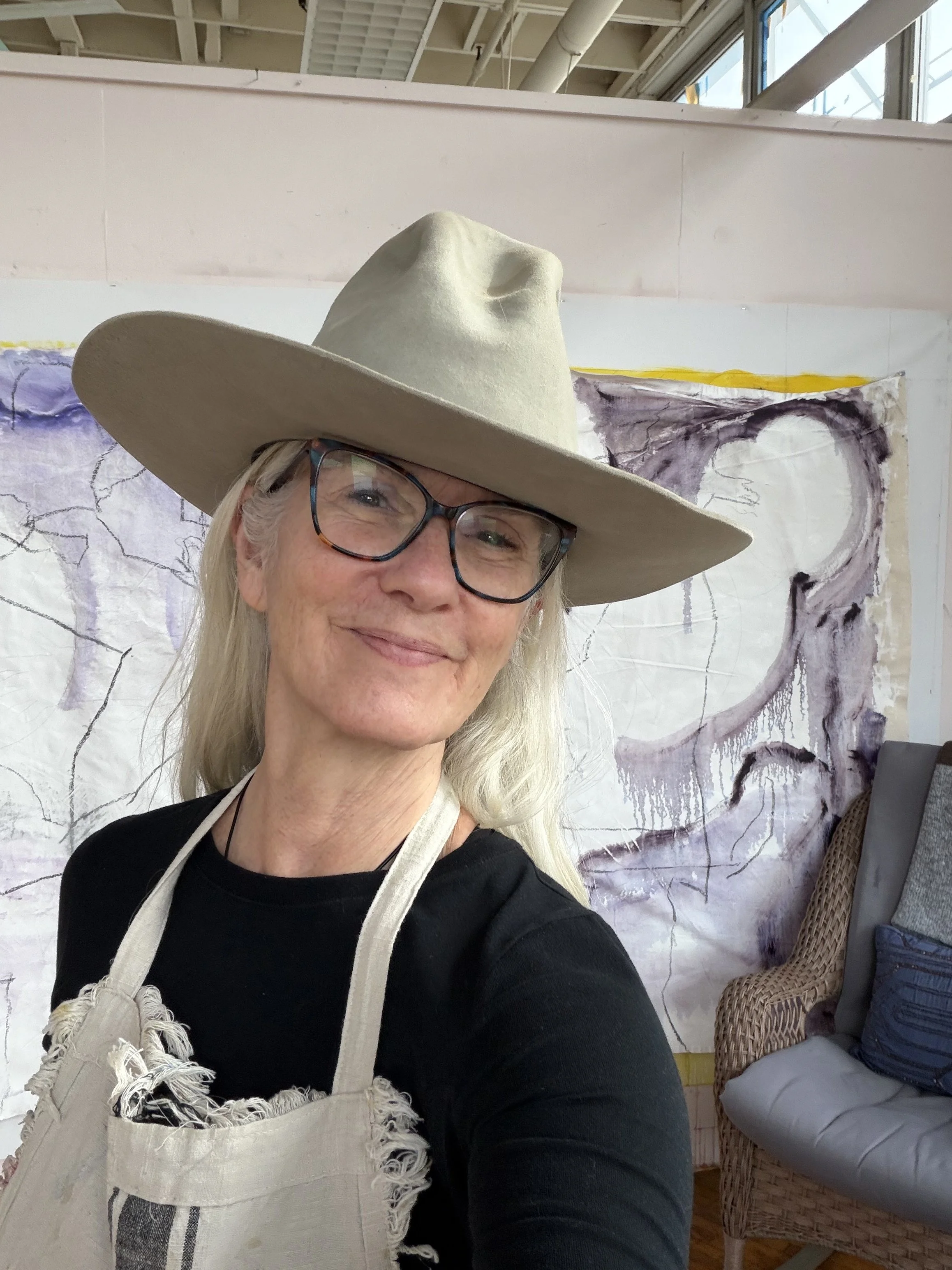
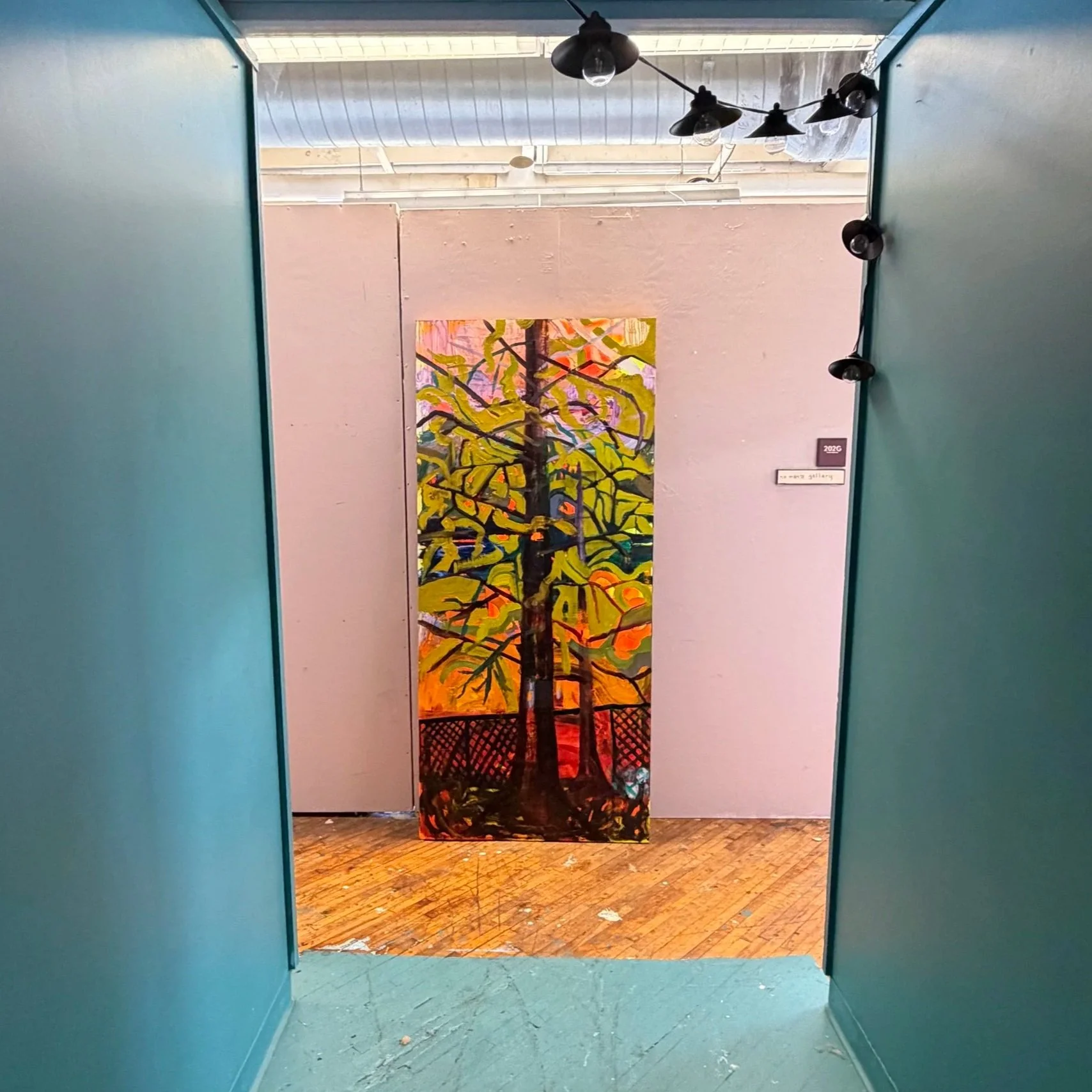
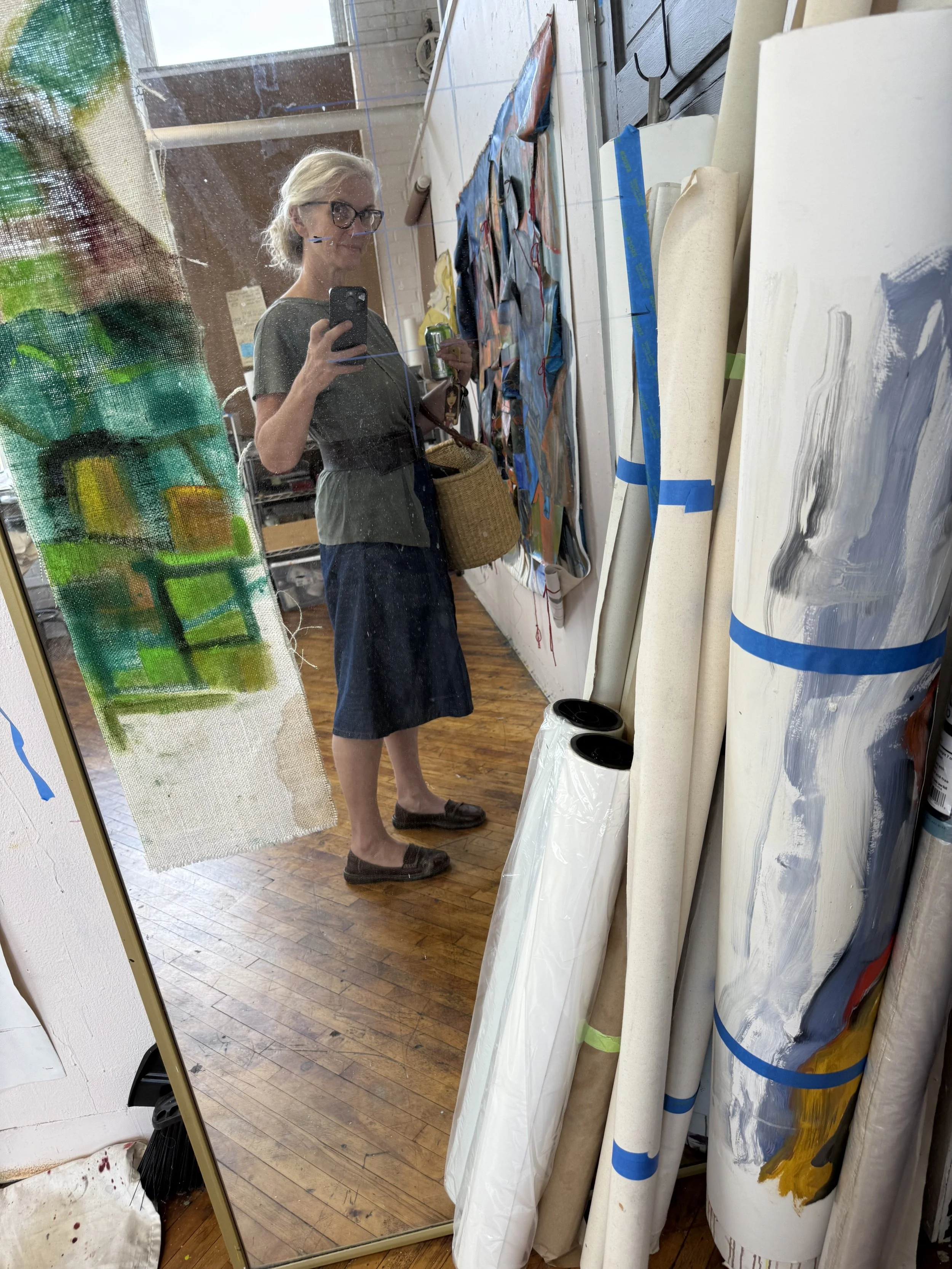
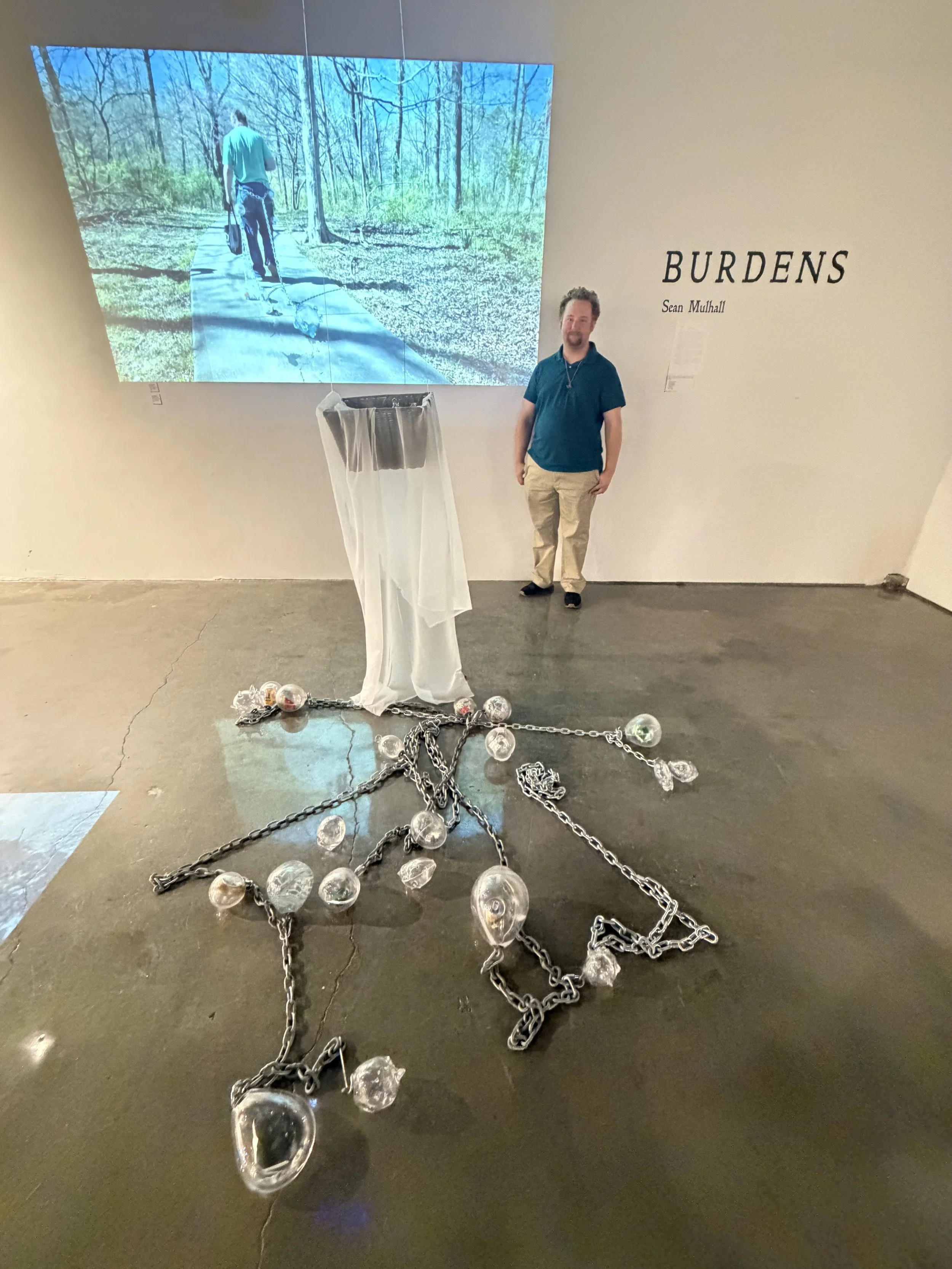
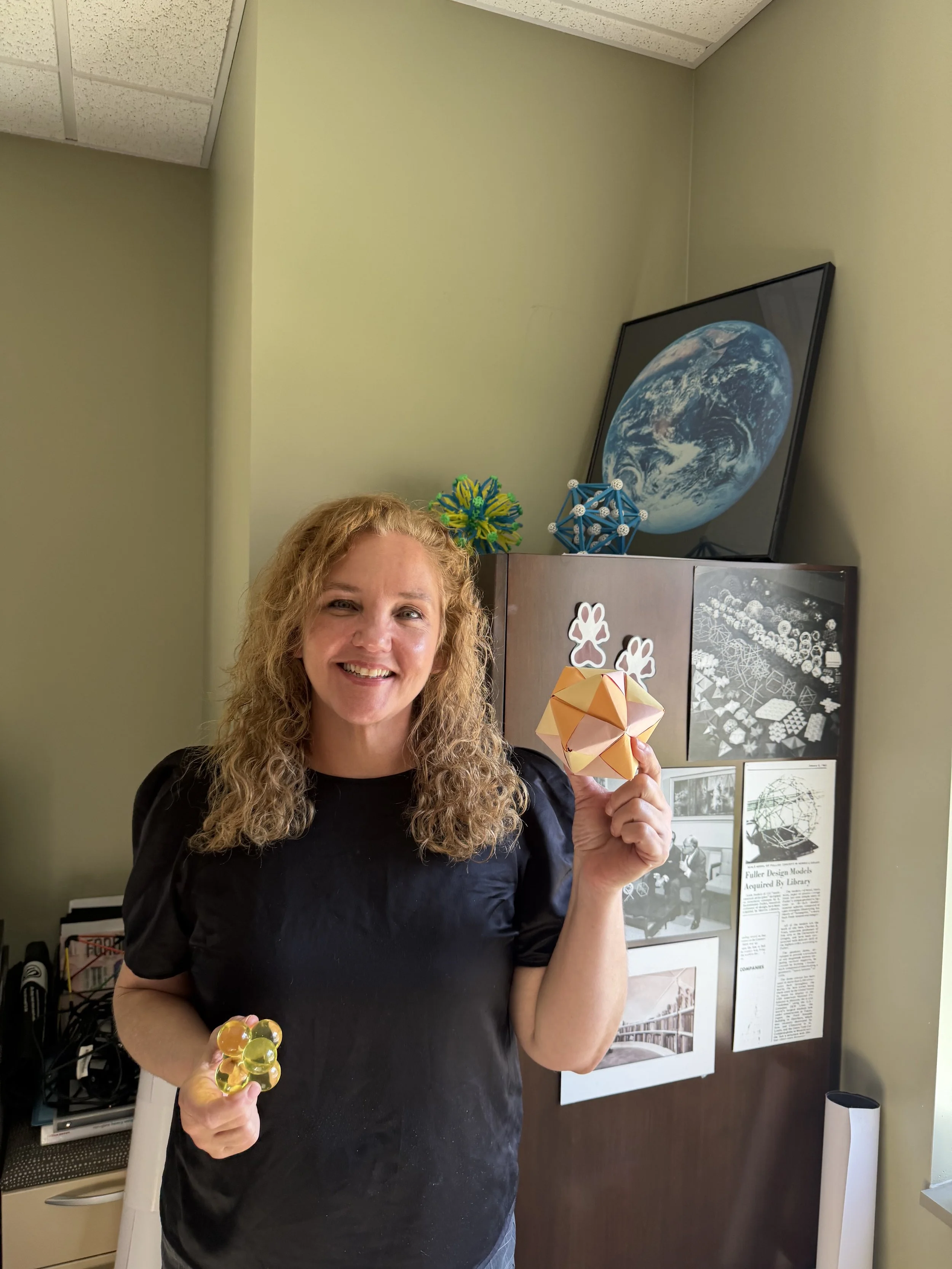
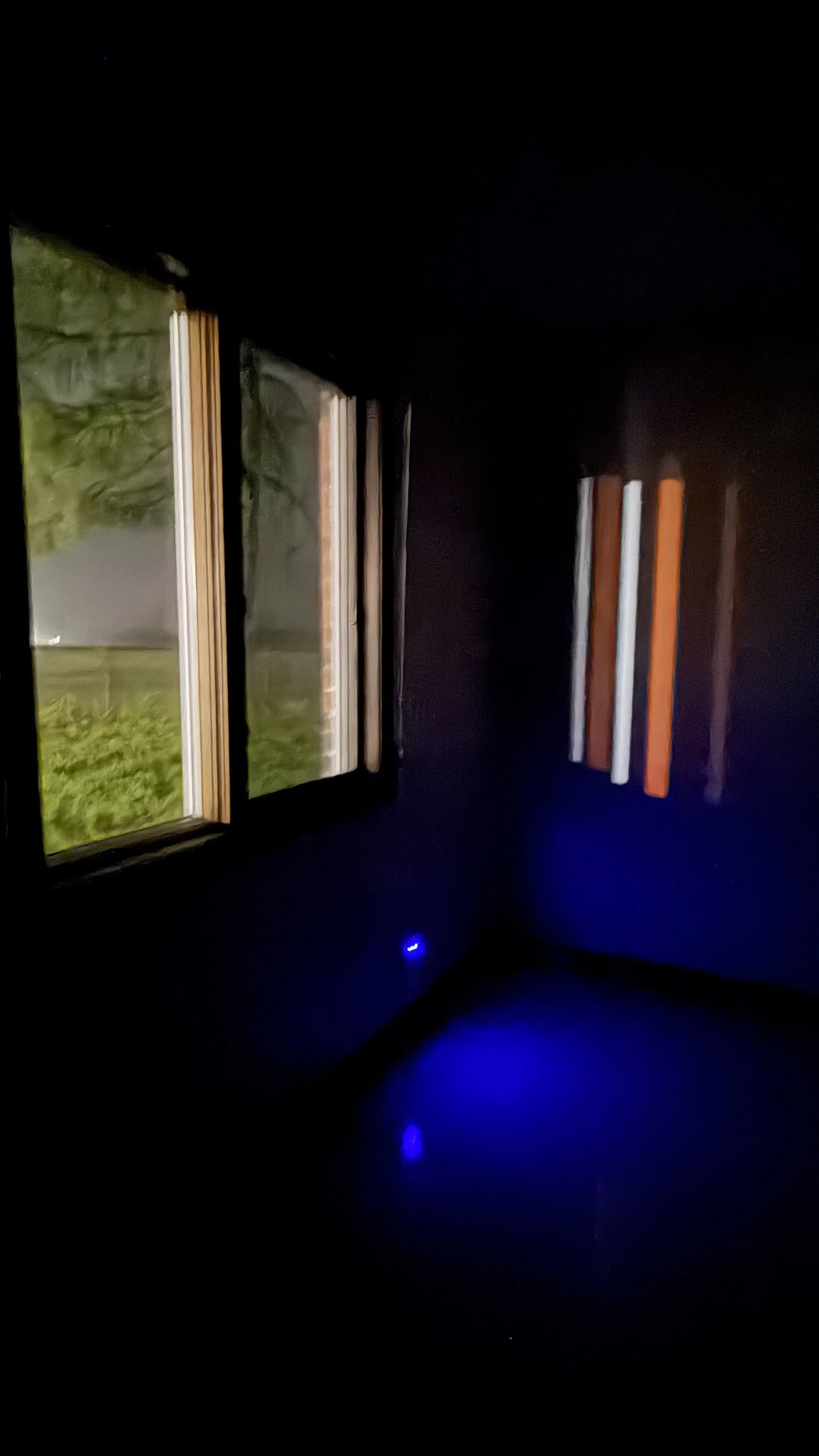
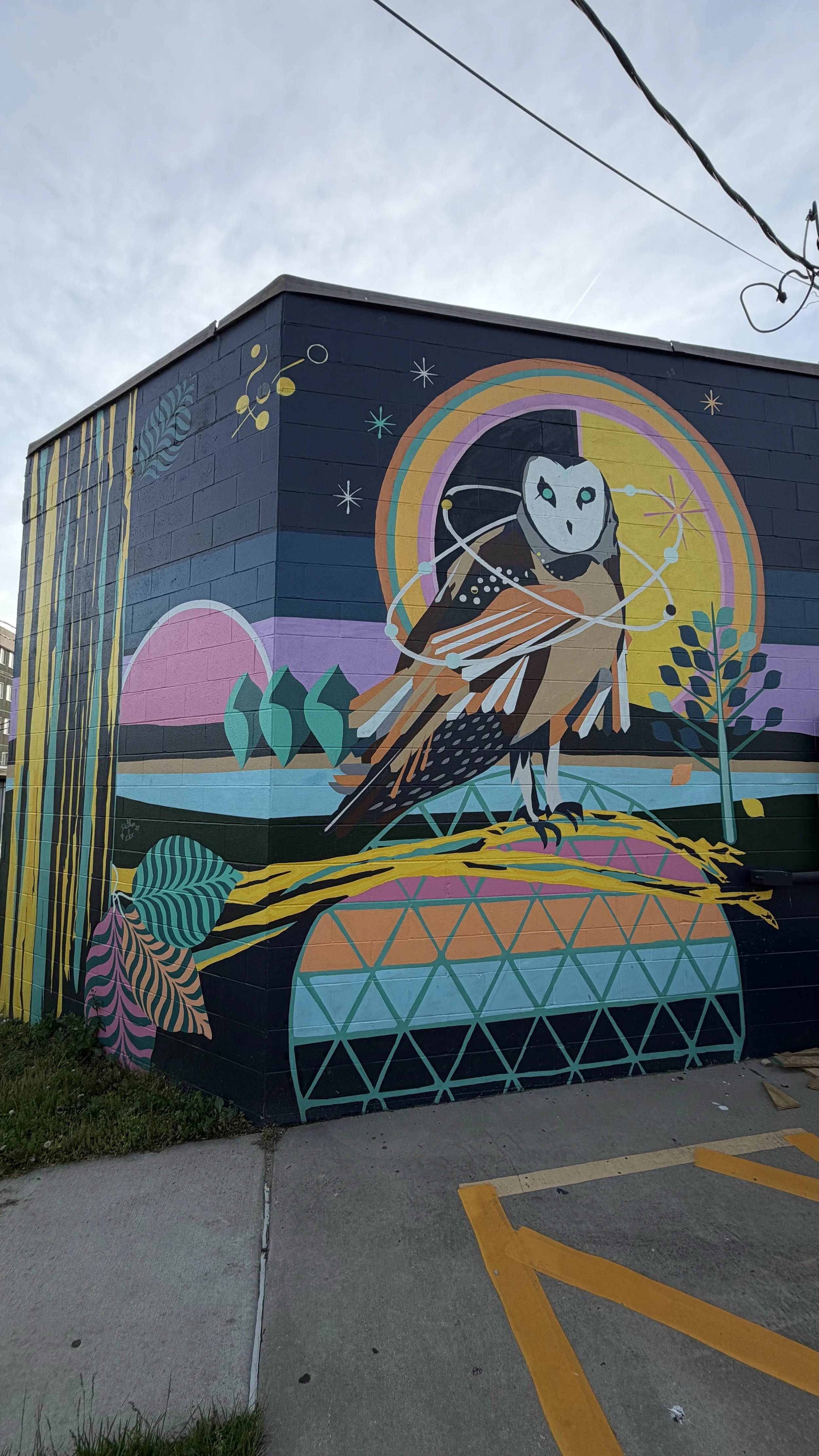
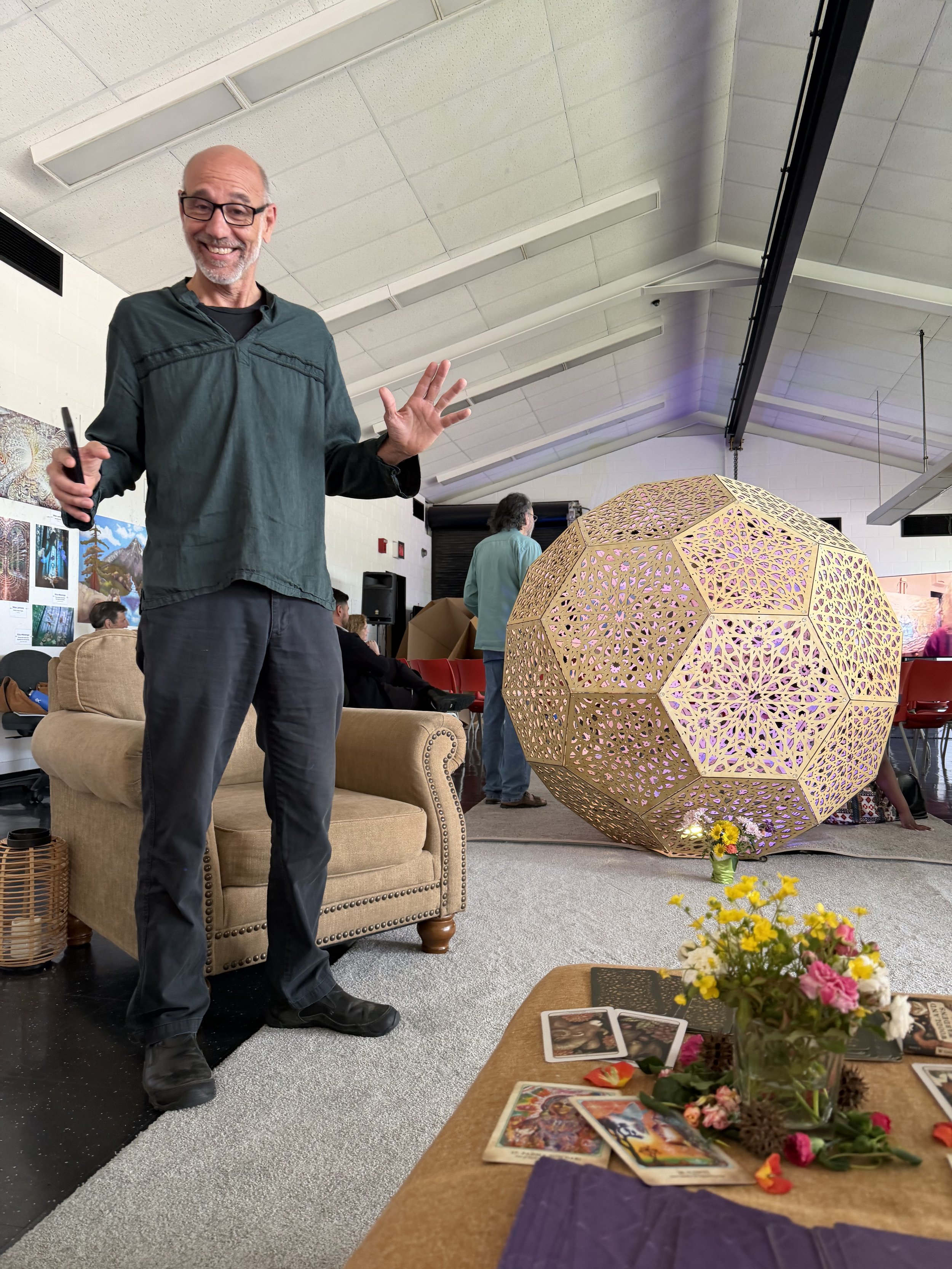
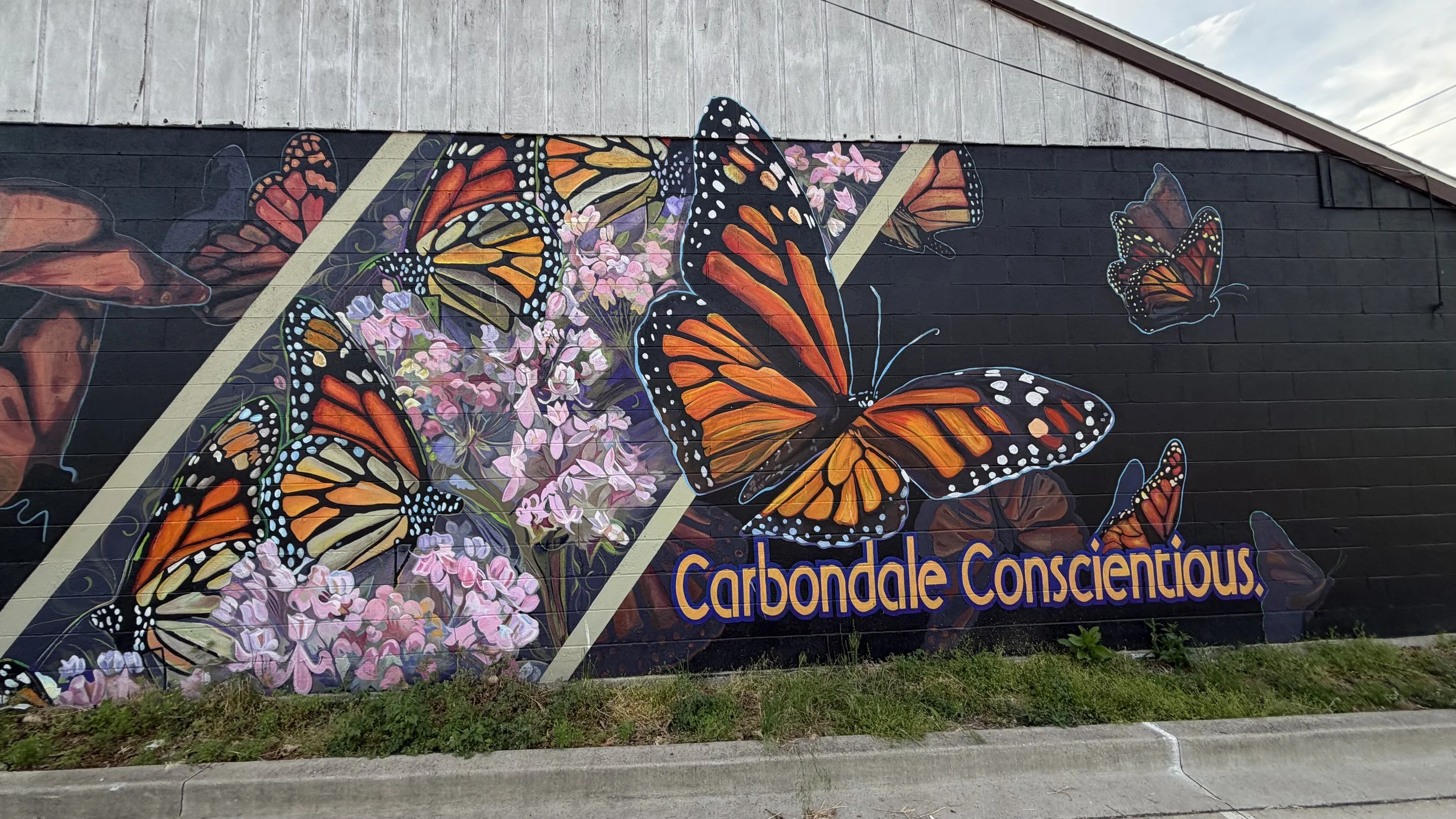
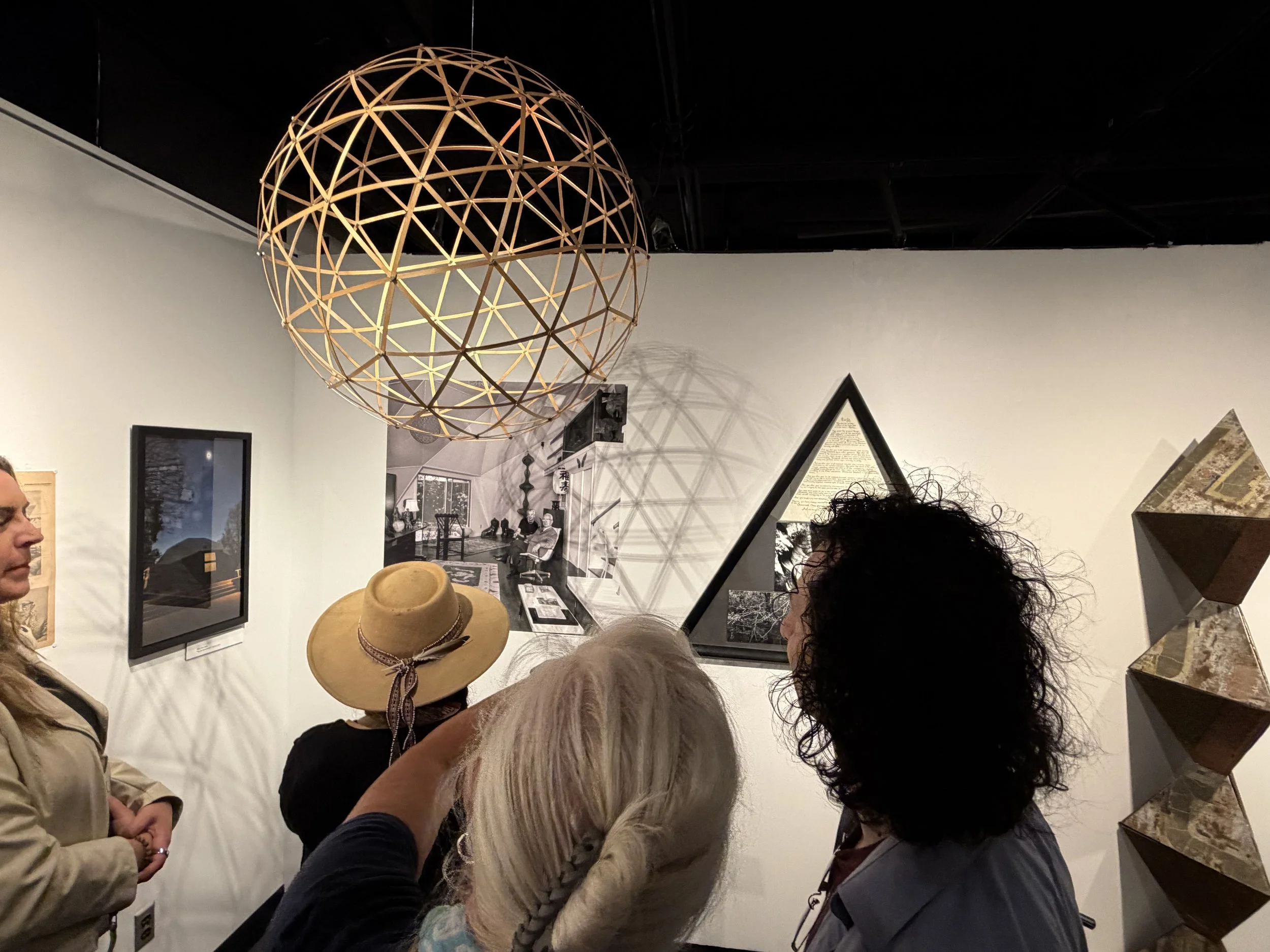
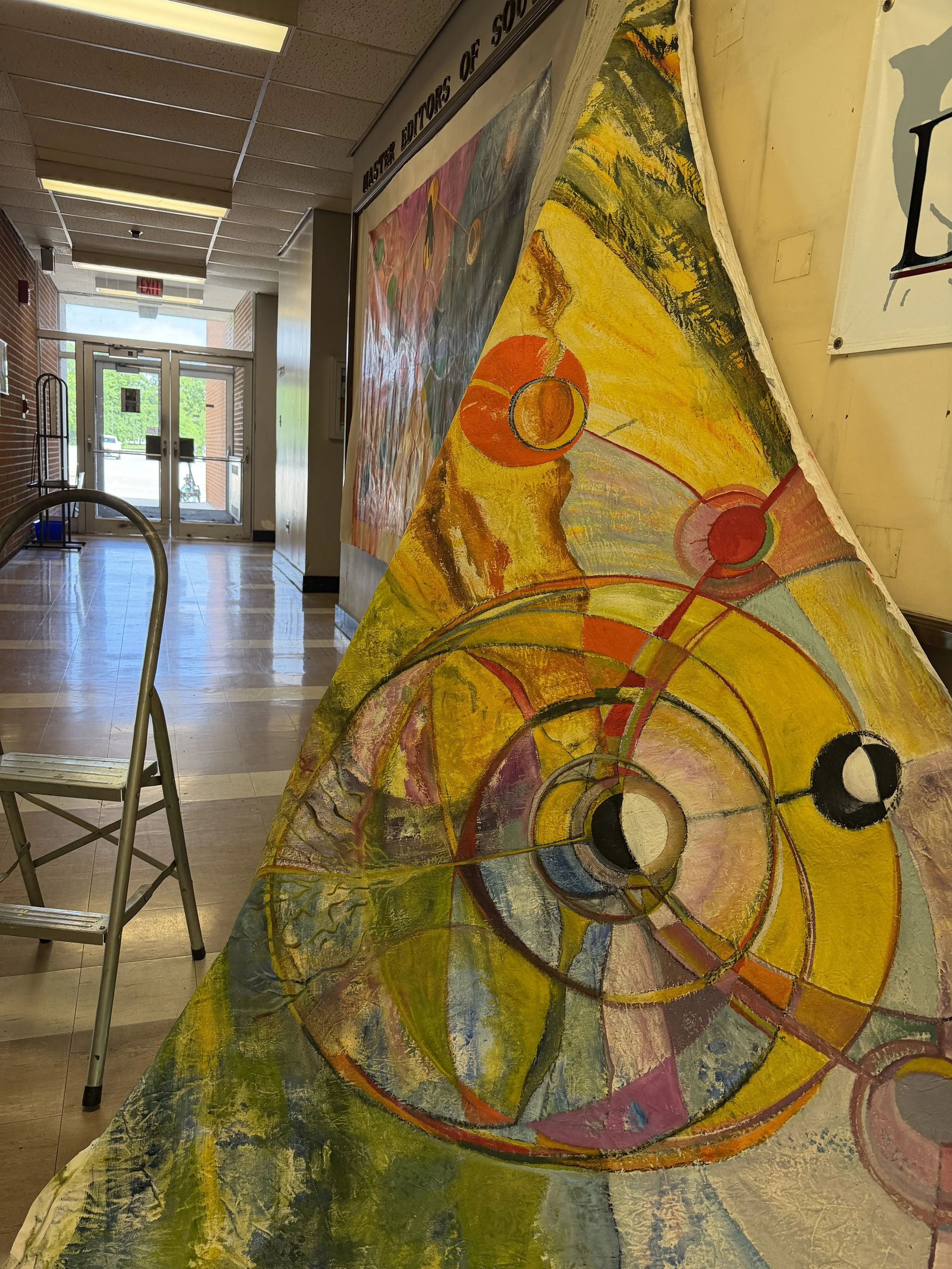
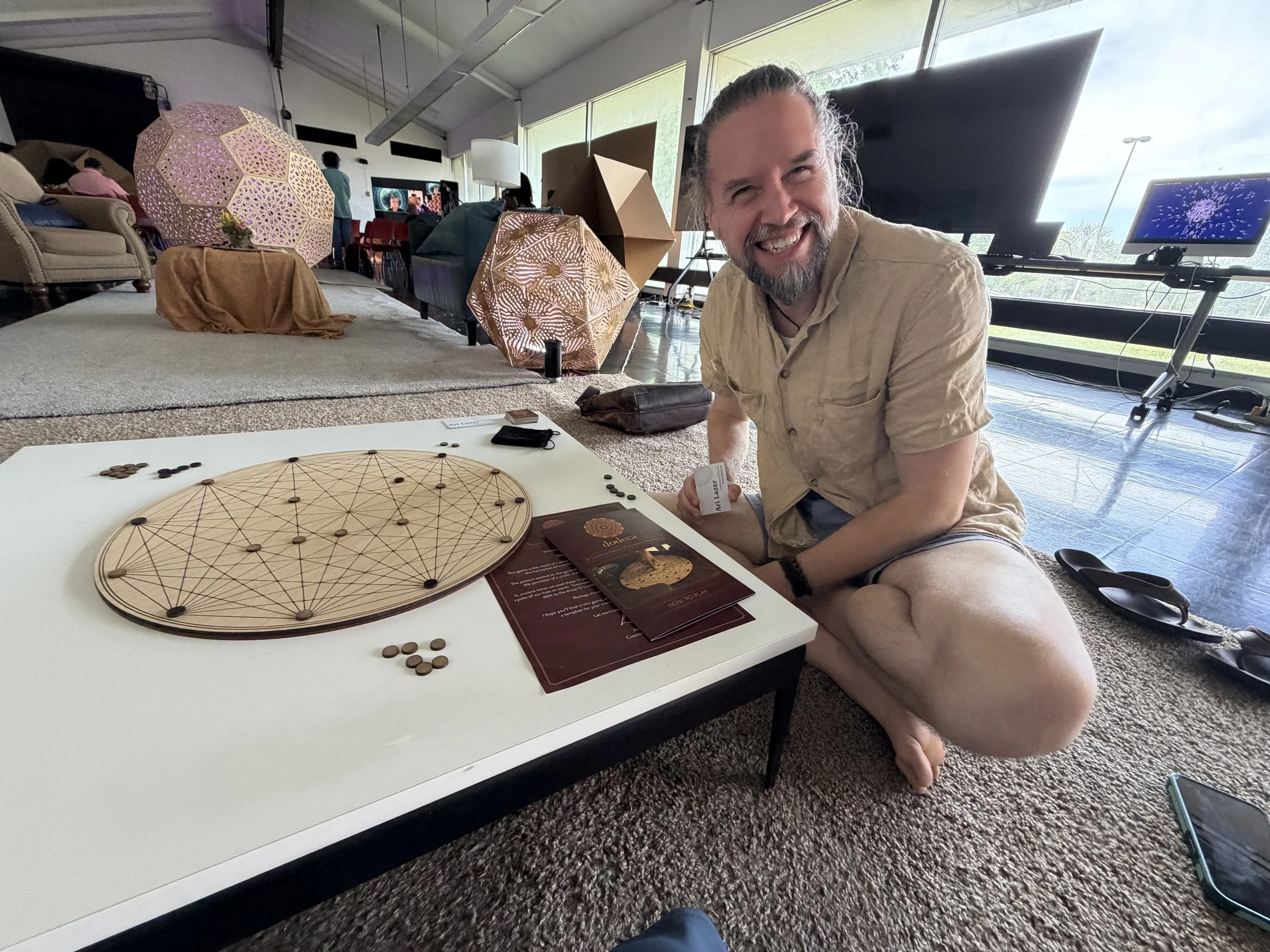
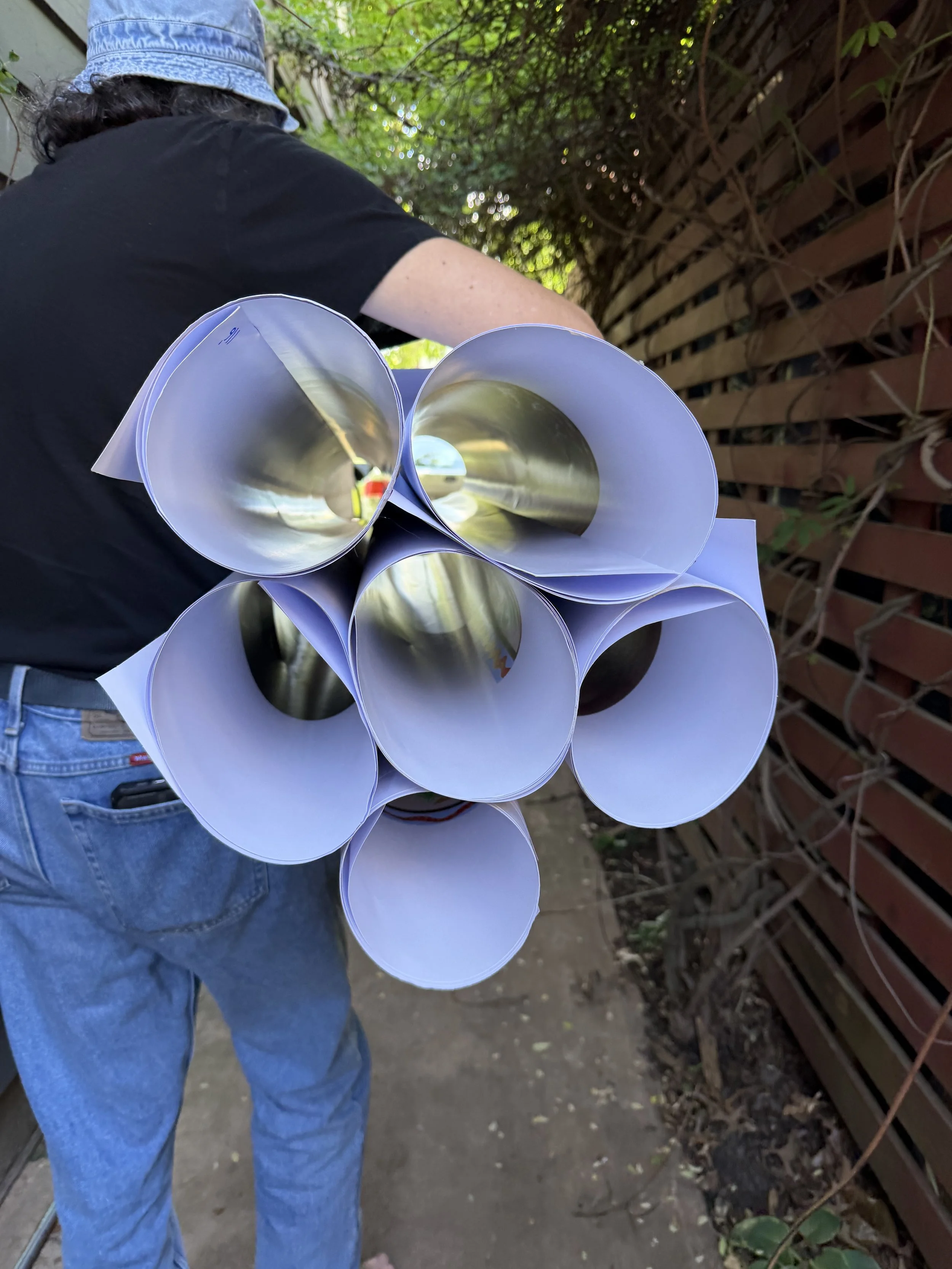
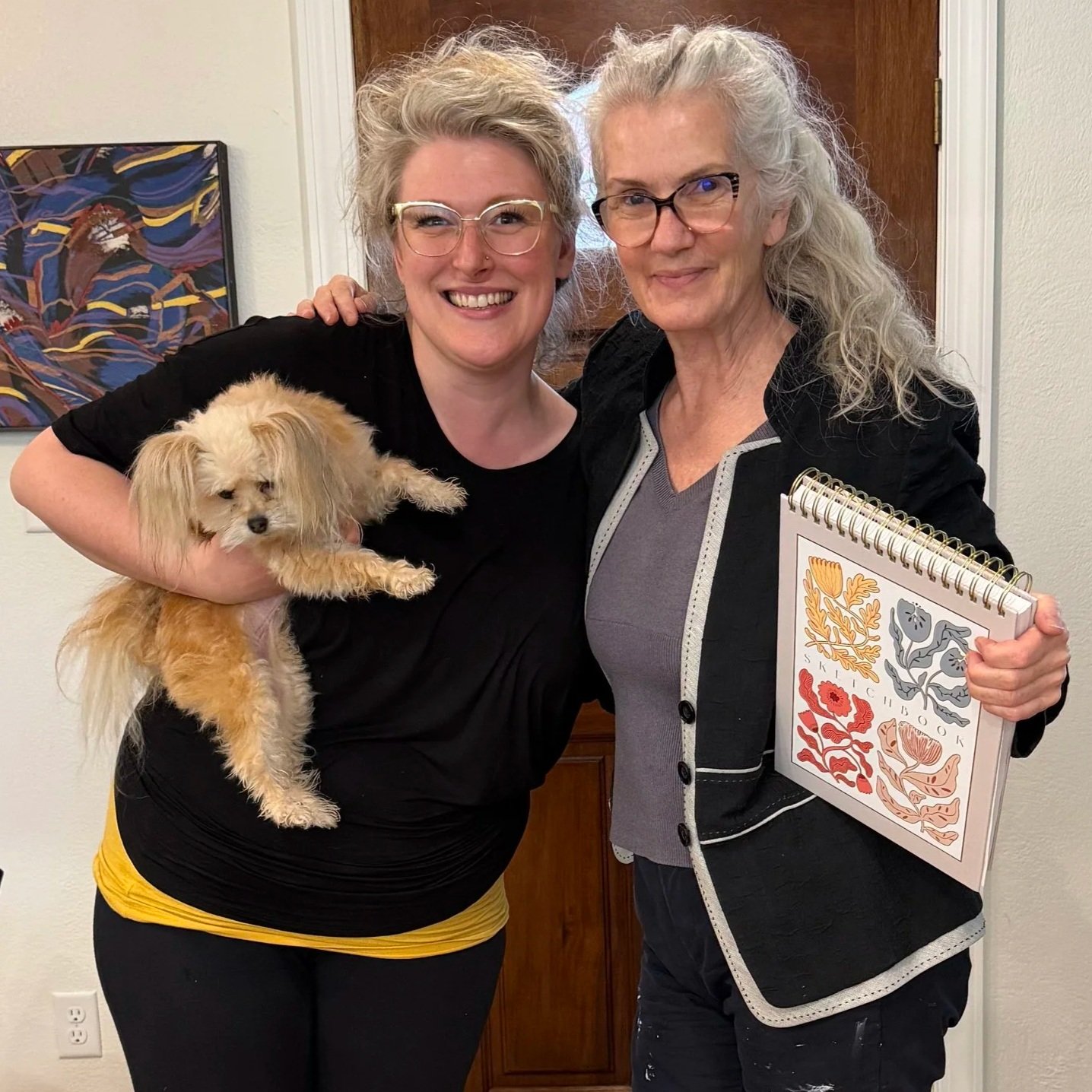
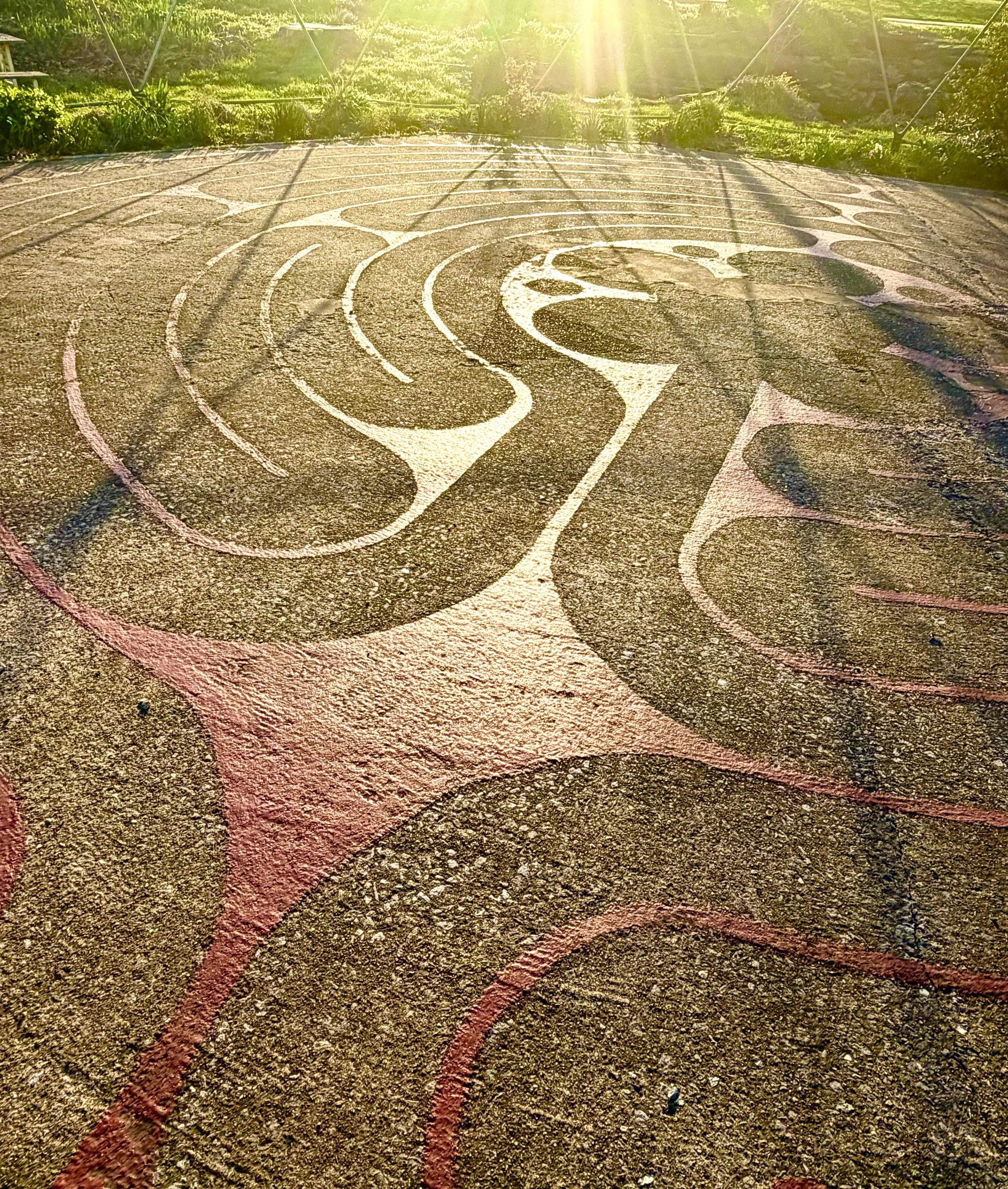
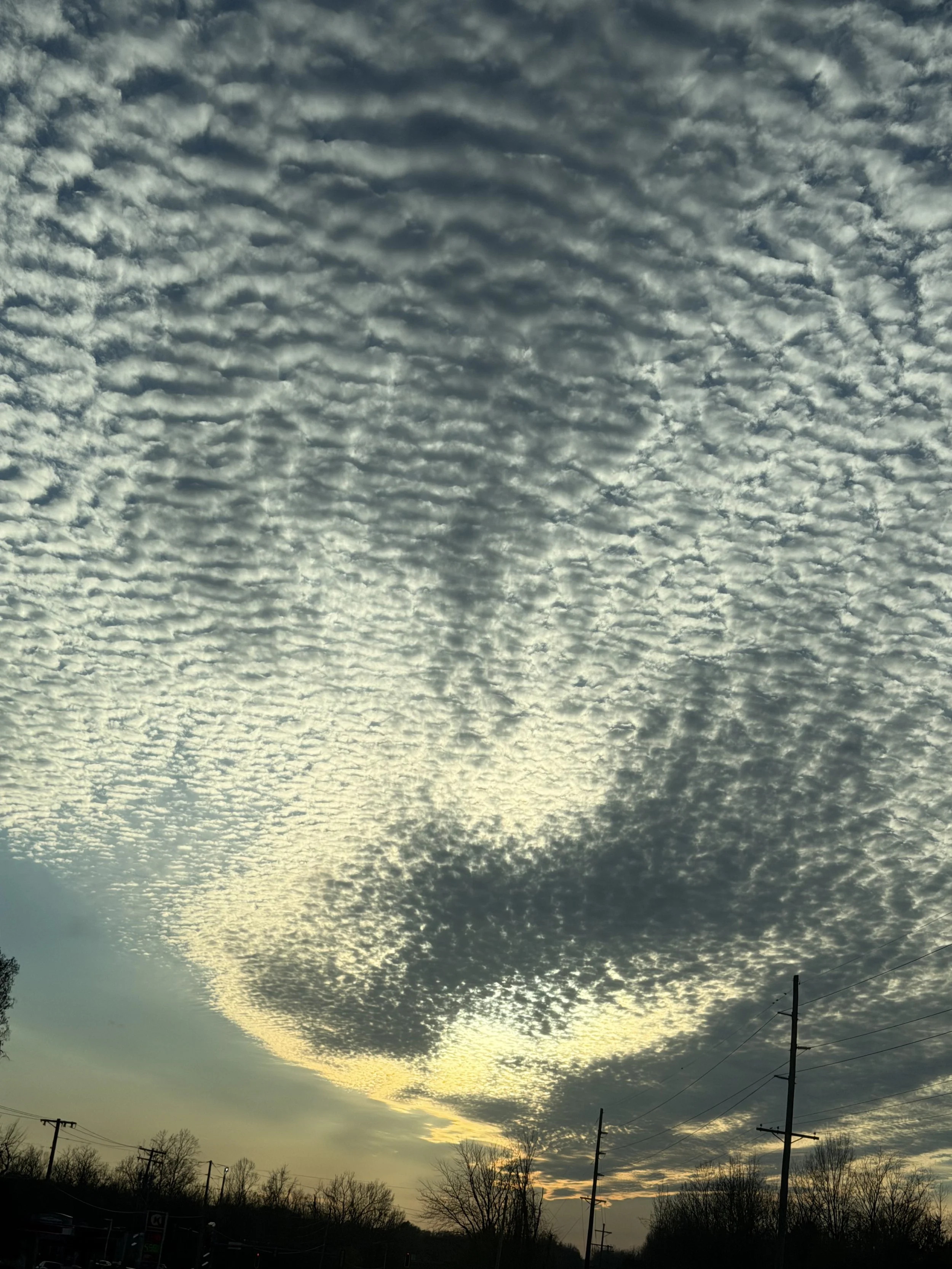
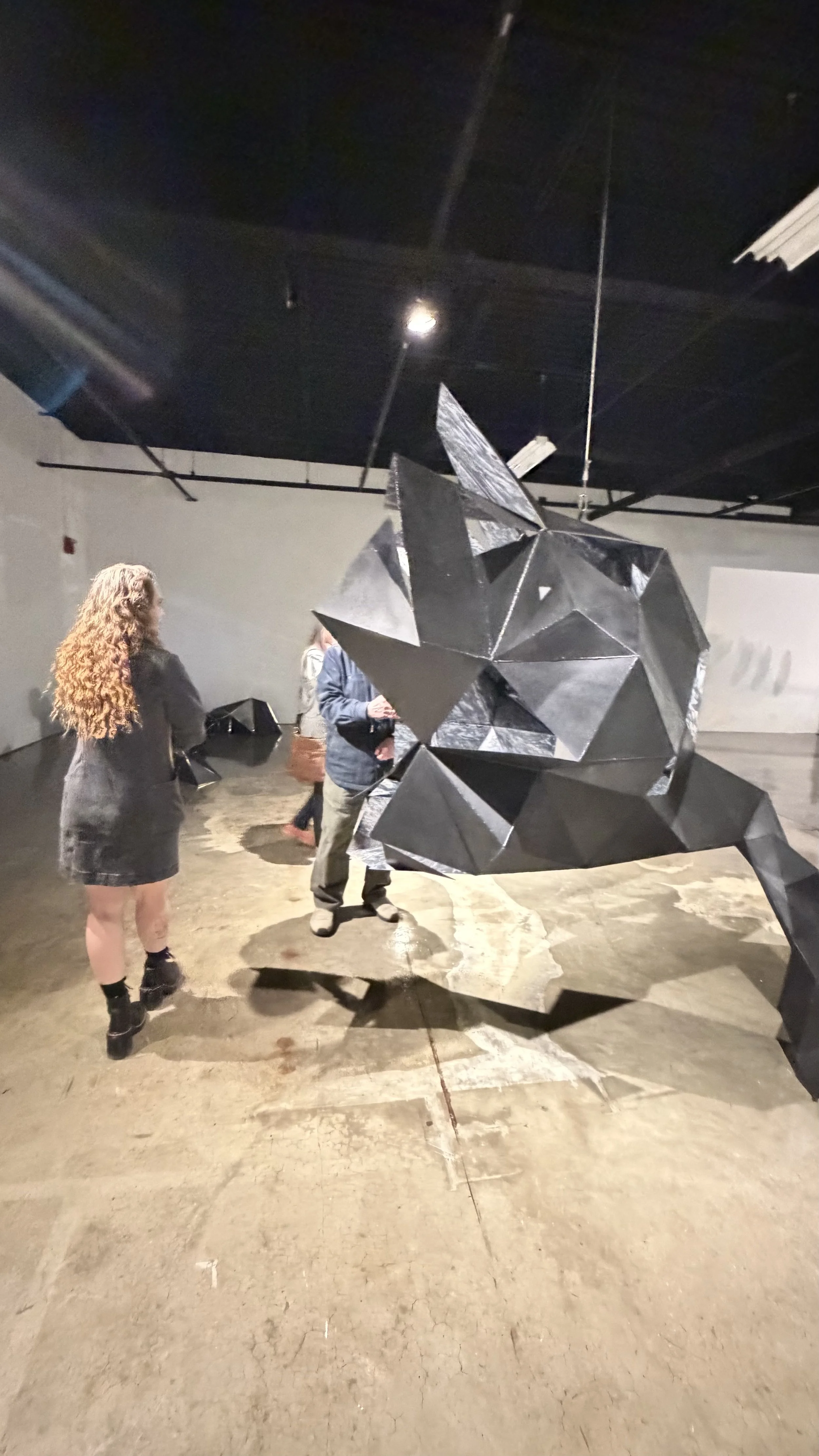
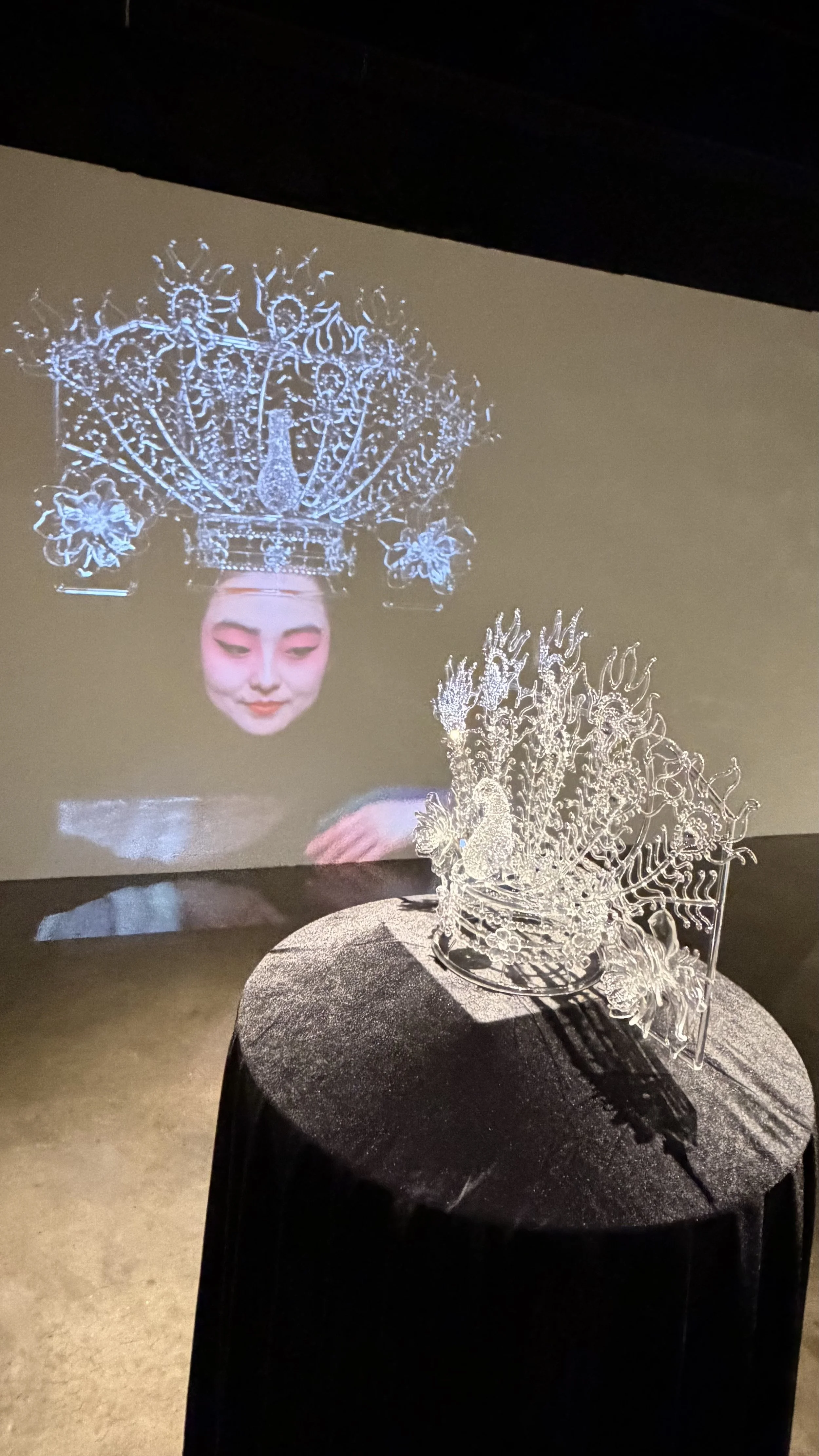
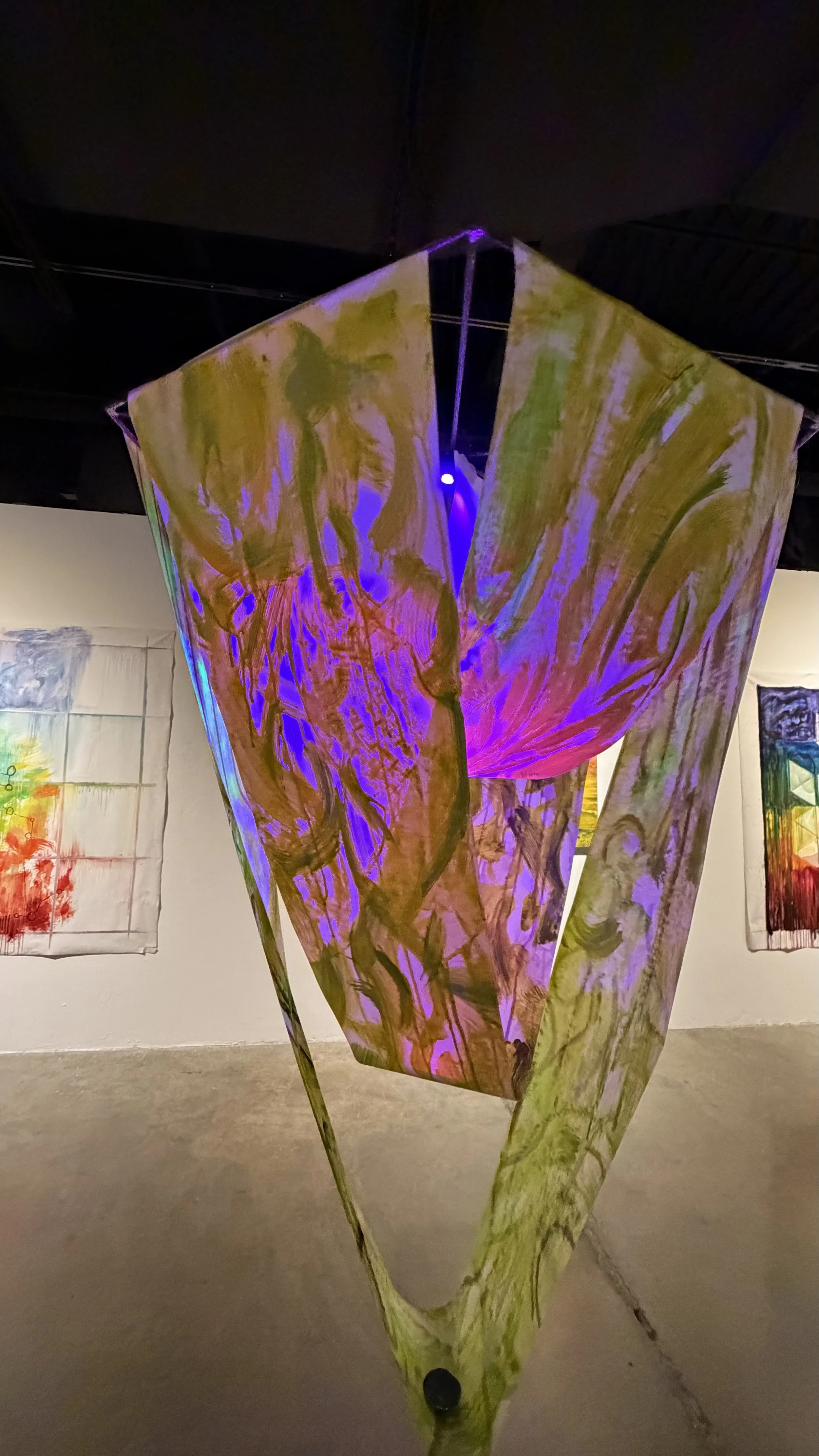
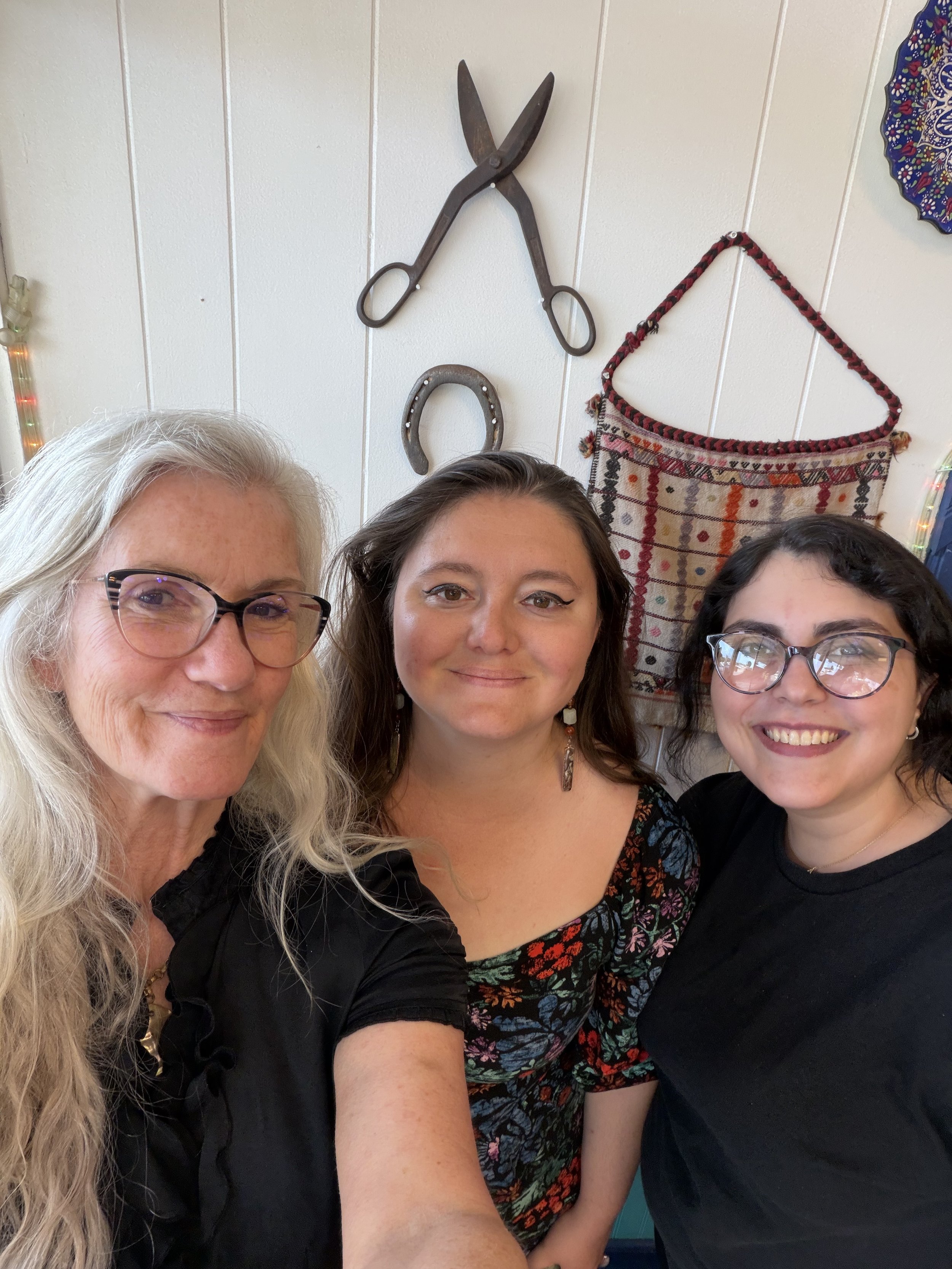
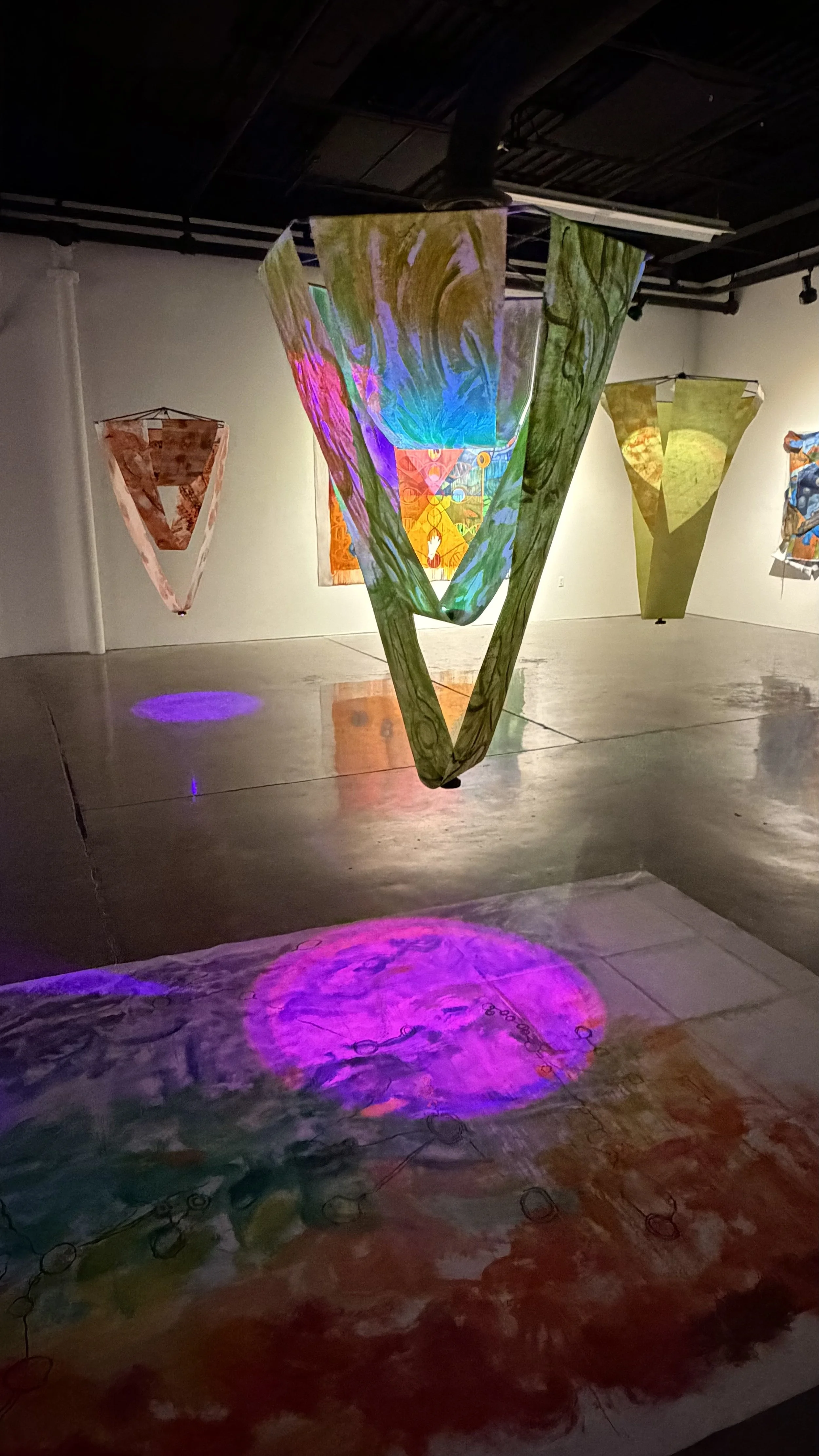
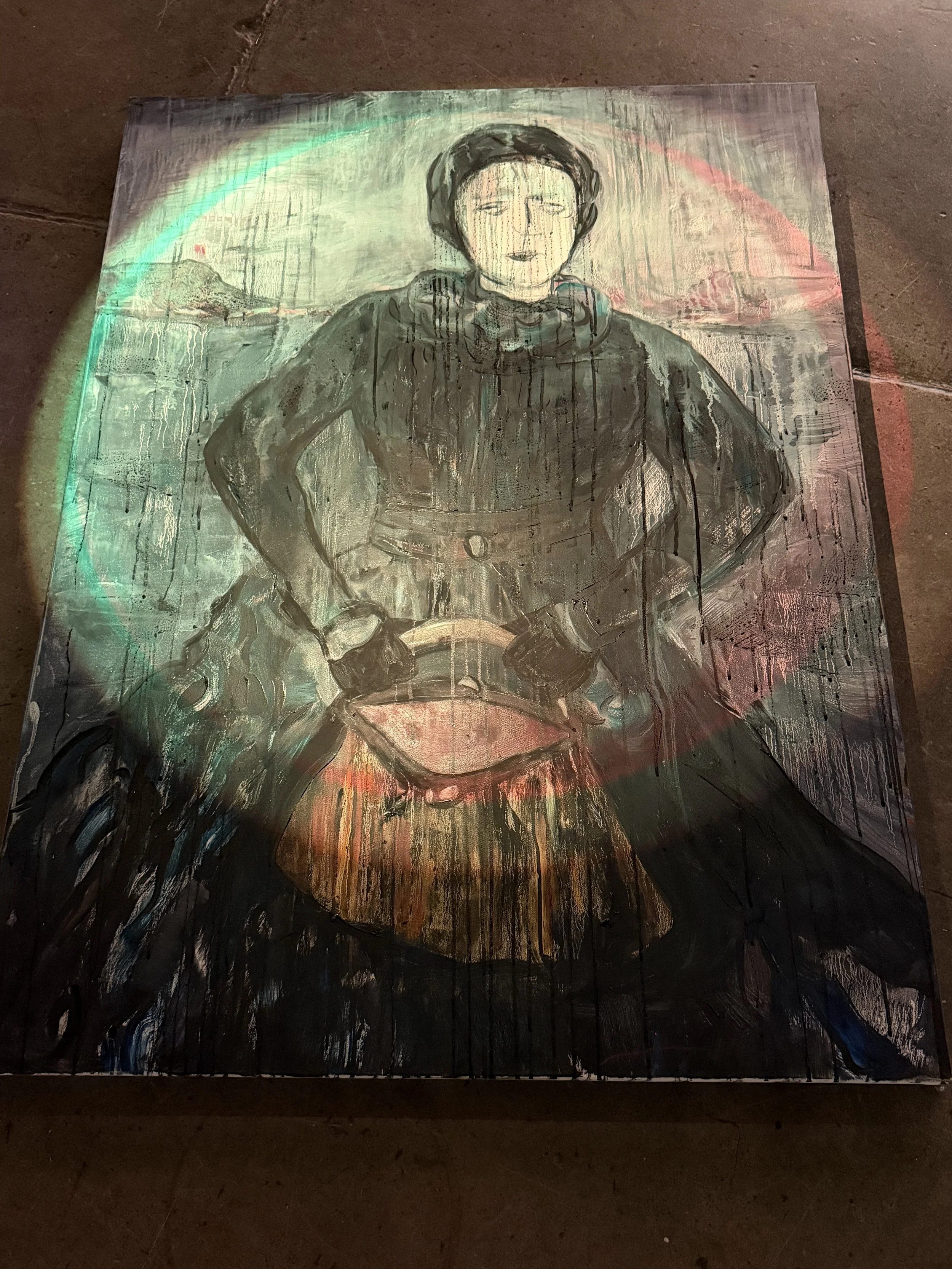
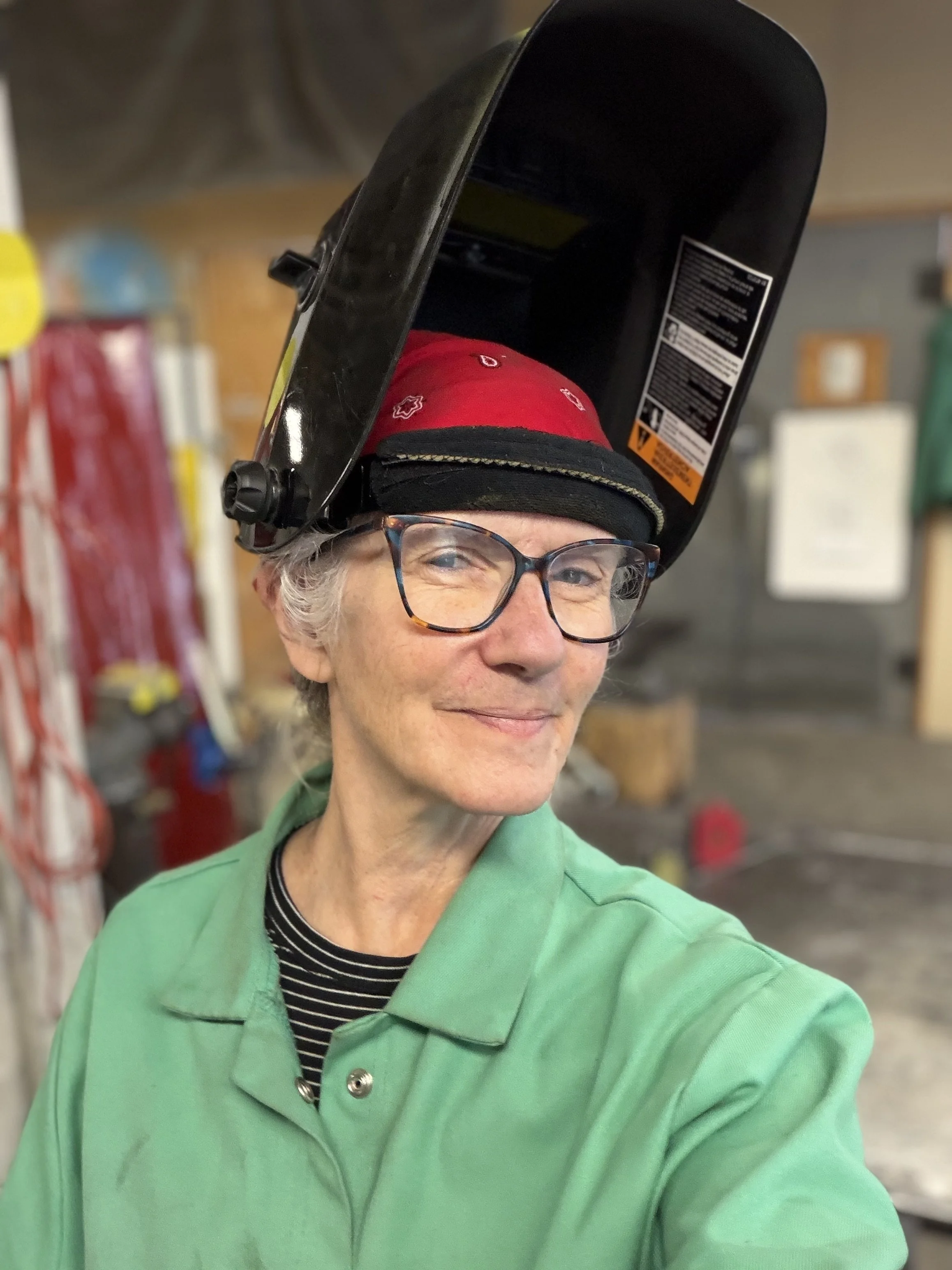
That’s a WRAP!
Light Week Inspiration:
Choose a thought to guide your week (this can change, and you can borrow mine!)
Mine for Light Week was: “Complexify to Simplify.” Be ok with going down rabbit holes. It will all come together.
Spend “Light Time” with yourself to integrate, solidify your ideas: My work is an expression of my life, and brings me insight and joy.”
AGAIN: Envision your project, this time imagine it as a jewel. How does your work offer your viewer several different ways to interpret it? Simplicity can be deeply complex.
Imagine yourself walking through your show like you are in a big museum. How could you take your project to the next level to give it that “museum quality” feeling?
What would do? (WWLKD): Be inspired by smart historic art mentors. If you don’t know Lee Krasner’s work, look her process of working from both nature and philosophy, and how work became much more abstract, expressive and free through her life.
Take a coffee break and sit quietly, find calmness. Center and ground yourself, like a tree, and accept the light from the sun that you process through photosynthesis into life. We need that during Light Week, too!
Join me October 15-17
I’m developing a totally new small-group coaching program focusing just for artists who are focused on building a body of work - and the creative process.
I’m calling it Threshold.
Threshold will begin in November, and will be based on Nature’s elemental forces & the color wheel to support & transform your creative process to make your best work.
To give you a taste of Threshold - and to introduce this new 8-week program, I’m doing a special low-priced, 3-day workshop intensive in October:
Body of Work Bootcamp
Over 3 days (we’ll meet for 90 minutes each day), I’ll help you gather new energy, generate new ideas and make essential decisions to create your best work yet!
(Just $27 includes replays)
You’ll be inspired and learn!
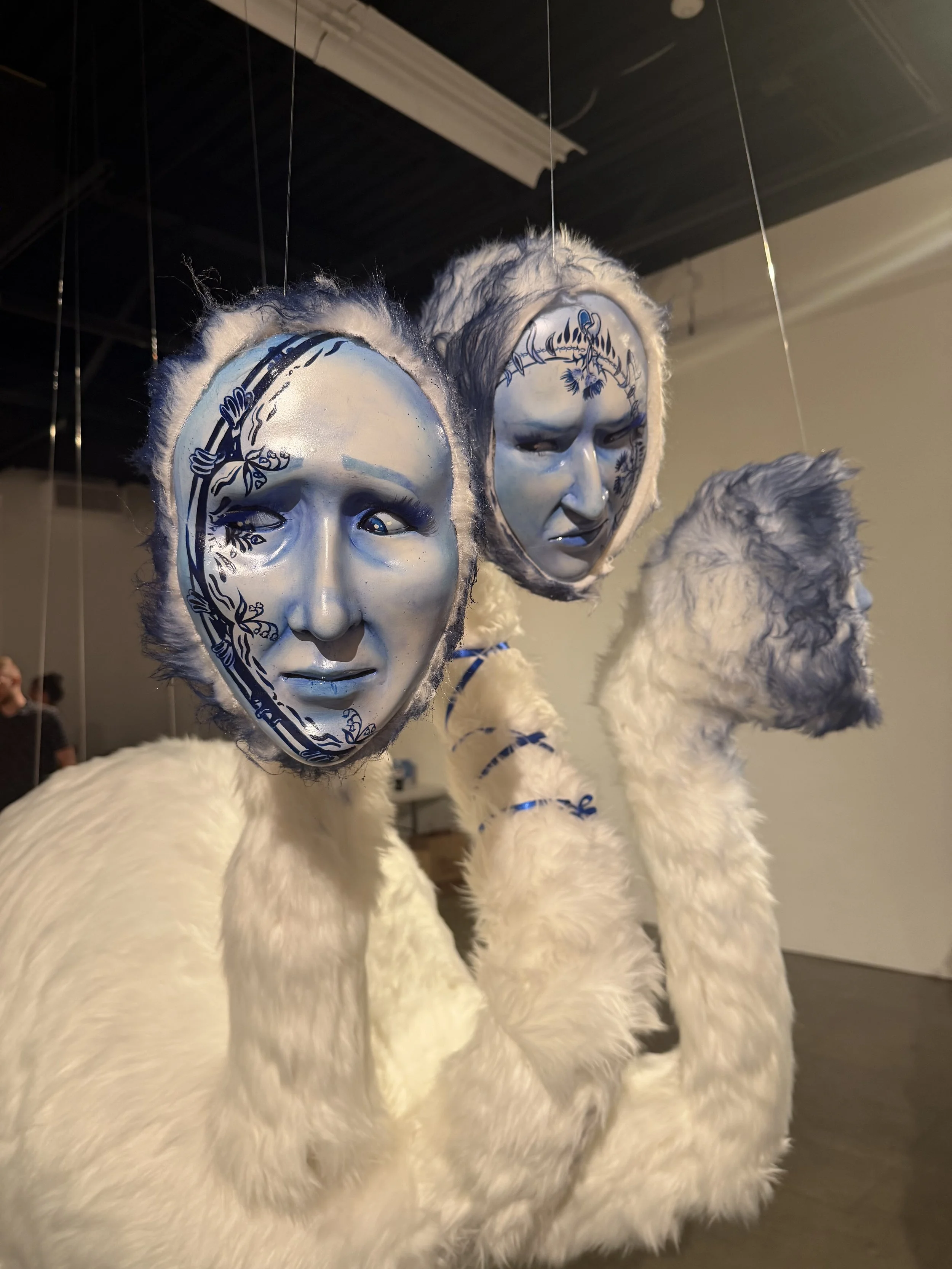
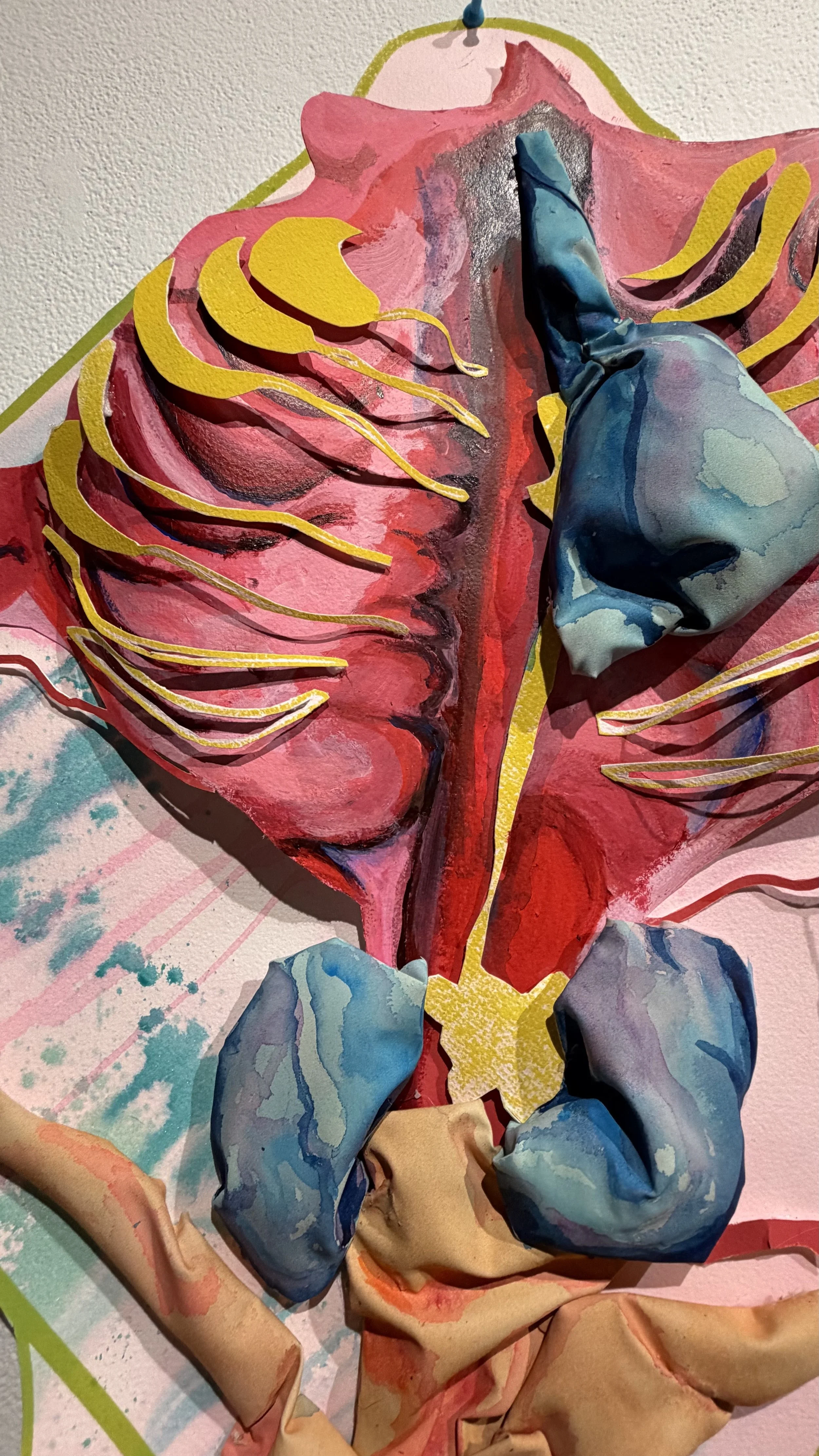
Images and inspiration from some of the 50+ museum and gallery shows I’ve seen all over Europe in the last 3 years.
How to find threads and themes in your current work - integrate new ideas, and find new ways to talk about your work.
How to create a totally new body of work and not get overwhelmed by all the decisions you need to make.
How to think about adding new or different media than you’re used to, and exploring new directions with confidence.
And much more!